
“The sun triggers the primary cycle, when solar radiation hits the surface of the upper atmosphere with the energy of an atomic explosion every square mile. Some of the energy radiates away into space, but enough of it reaches Earth’s surface to keep everybody and everything alive. And since the Earth spins, when this life-sustaining energy hits any point on the surface, it pulses to a maximum and falls to a minimum once every twenty four hours.”
James Burke & Robert Ornstein, The Axemakers’ Gift, 1995
Much of what demarcates the human-nature boundary has involved or invoked technology or practices thereof at some point, with technological praxis being deeply bound within the human nervous system and related cognitive-linguistic processes for interpreting reality. I would like to imagine an easy and succinct way of advancing beyond the parameters of such systems but by now the structural coupling is so deep and absolute that it’s difficult to imagine building or maintaining anything on the scale of industrial civilization without it. Technology is literally within the bones of humankind, with isotopic remnants of atmospheric atomic weapons testing imparting the radiotoxic residues of Strontium-90 (a potent Calcium-scavenger) within in the teeth of the post-WWII boom generation. I thought about the concept of whole-earth infrastructure as a nod to the ideals of Steward Brand et al, or at least as a notion of a set of possibilities for the world having the shape and functionality of something he and others once defined as the way forward. Having worked throughout the winter of 2014 with a crew of around three hundred carpenters erecting a massive solar farm near Orillia I had a look at something like whole-earth infrastructure, peering over the carapace of my heavy coat into the cold bright white light of minus thirties windchill blowing across the farm. The world now and what will come after basically already exist side-by-side, people have only to get out of bed at a very early hour of the morning to go outside and build it. PV technology is a solar bridge to keep the lights on while the world transitions to cleaner methods of generating and storing energy and while it’s been developed into an intrinsically worthwhile endeavour the enterprise isn’t without its own dangers and shortcomings.
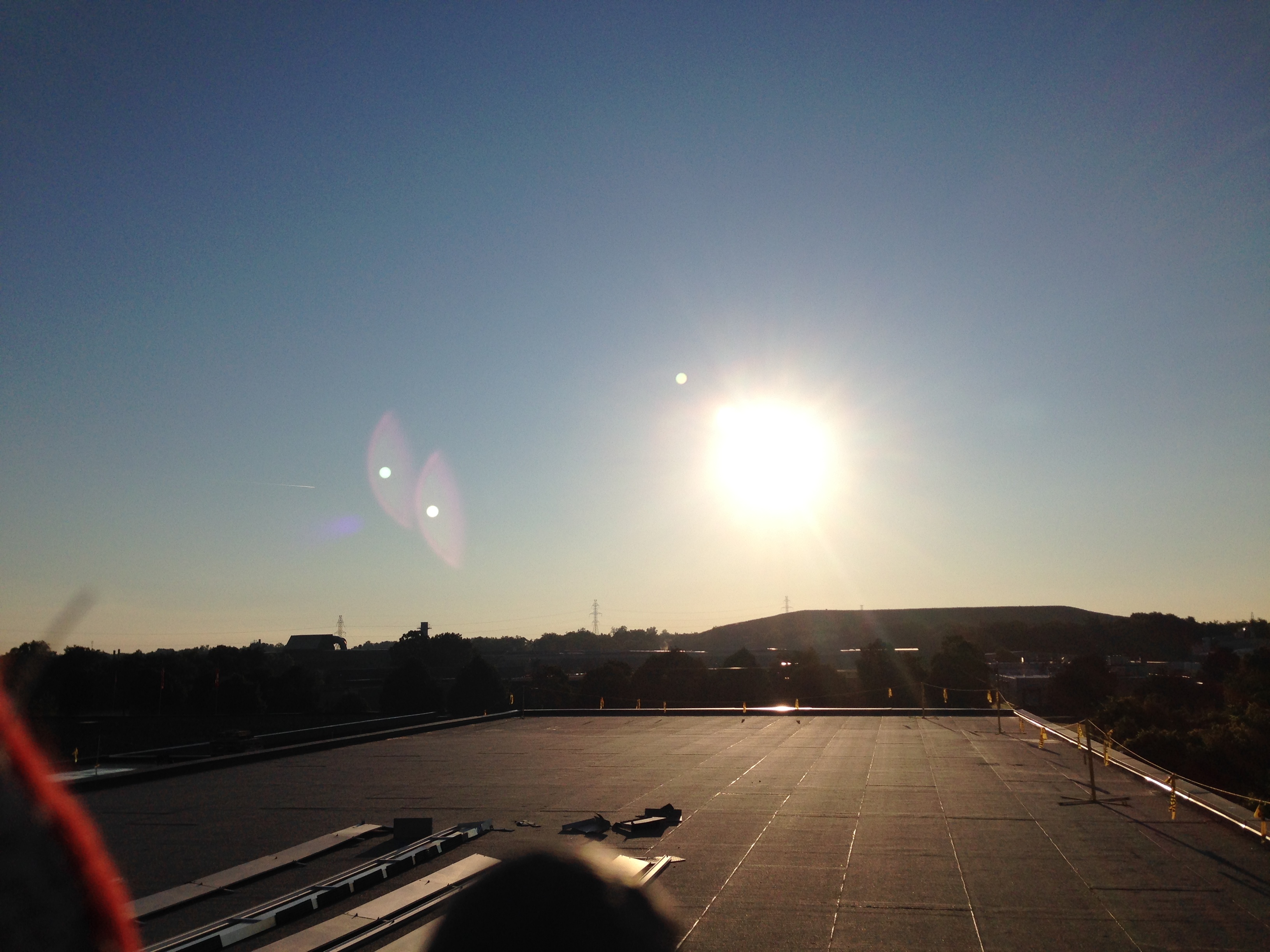
Cambridge, Ontario July 2014
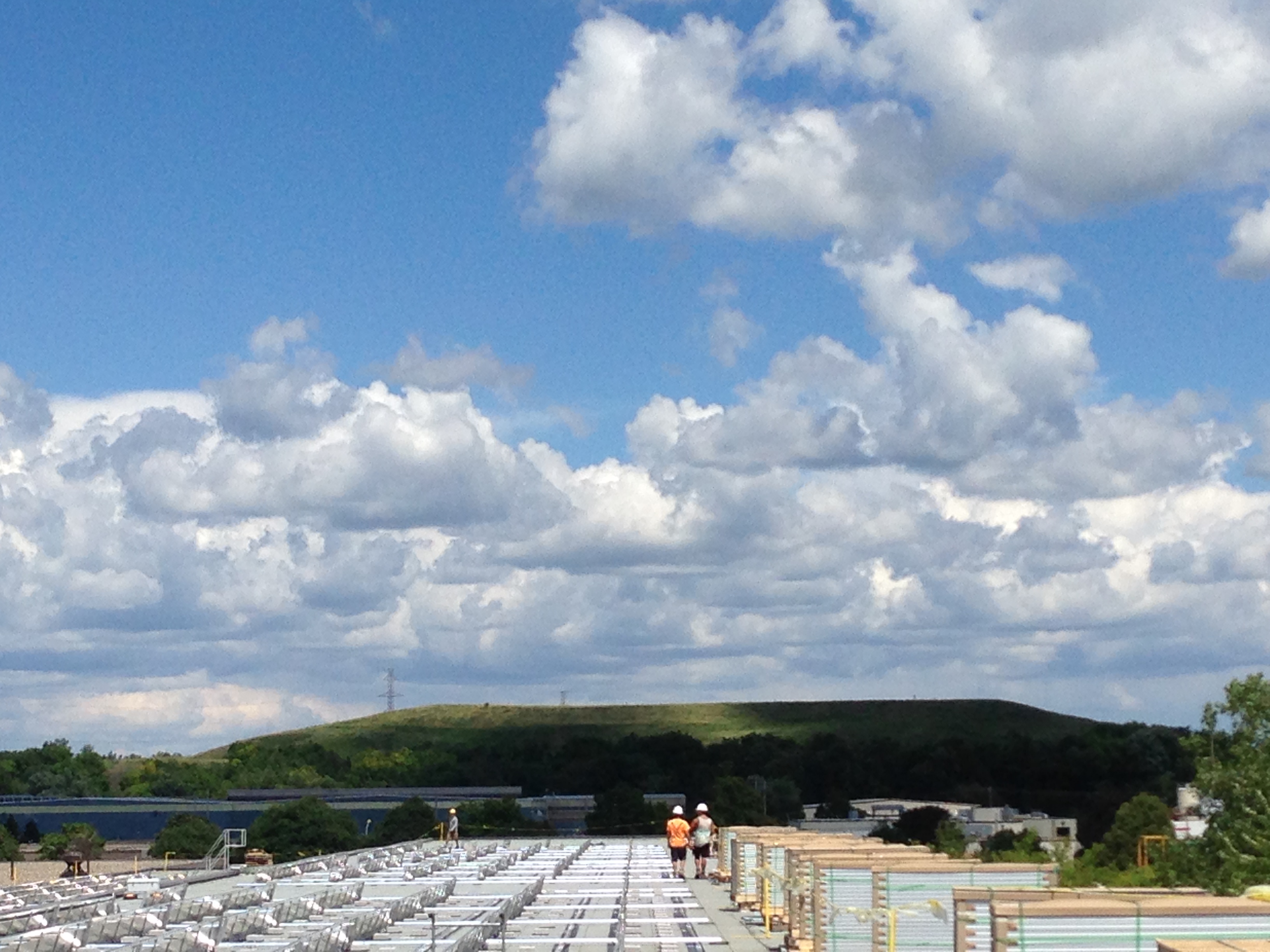
Cambridge, Ontario July 2014
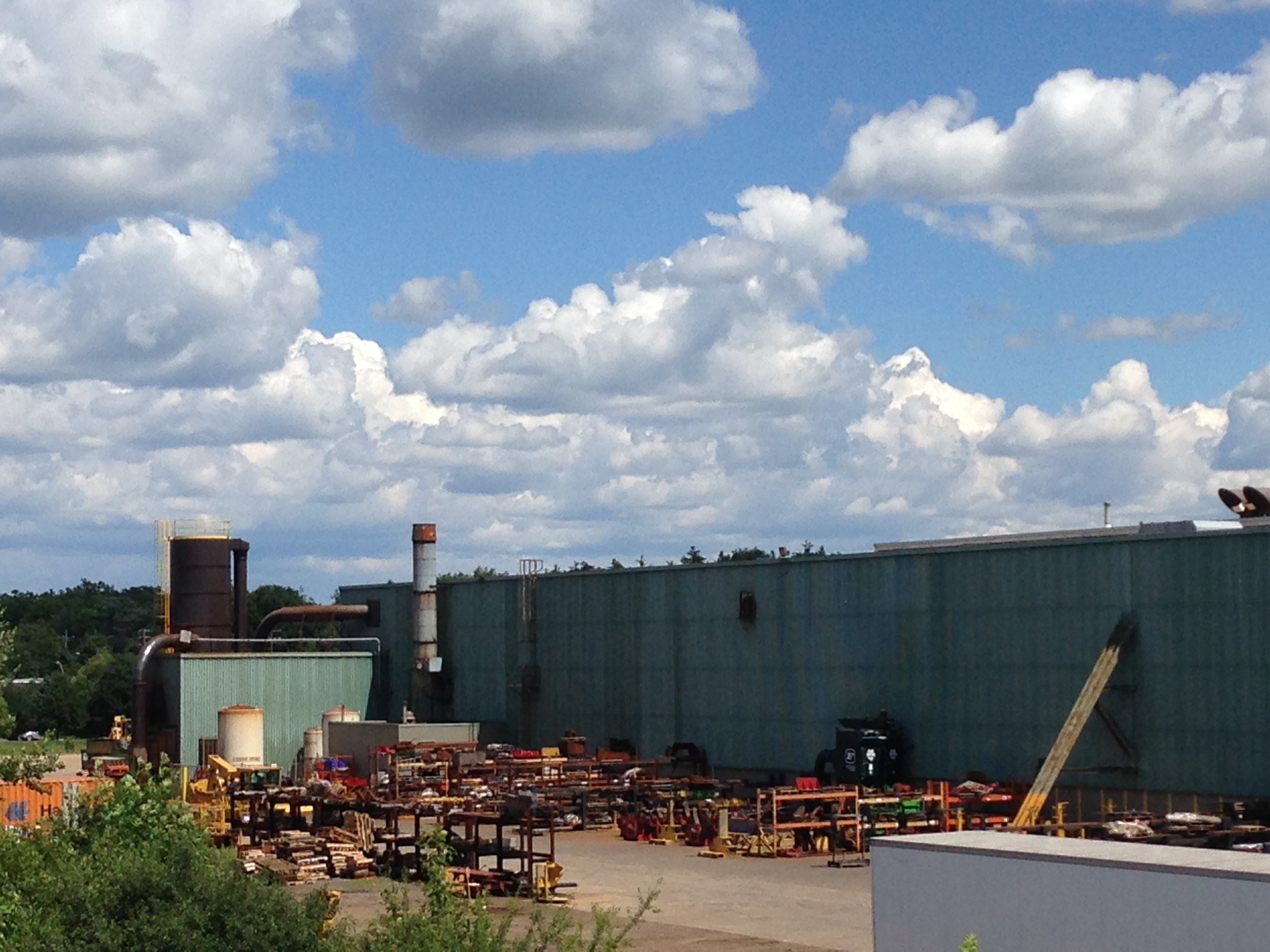
Cambridge, Ontario July 2014
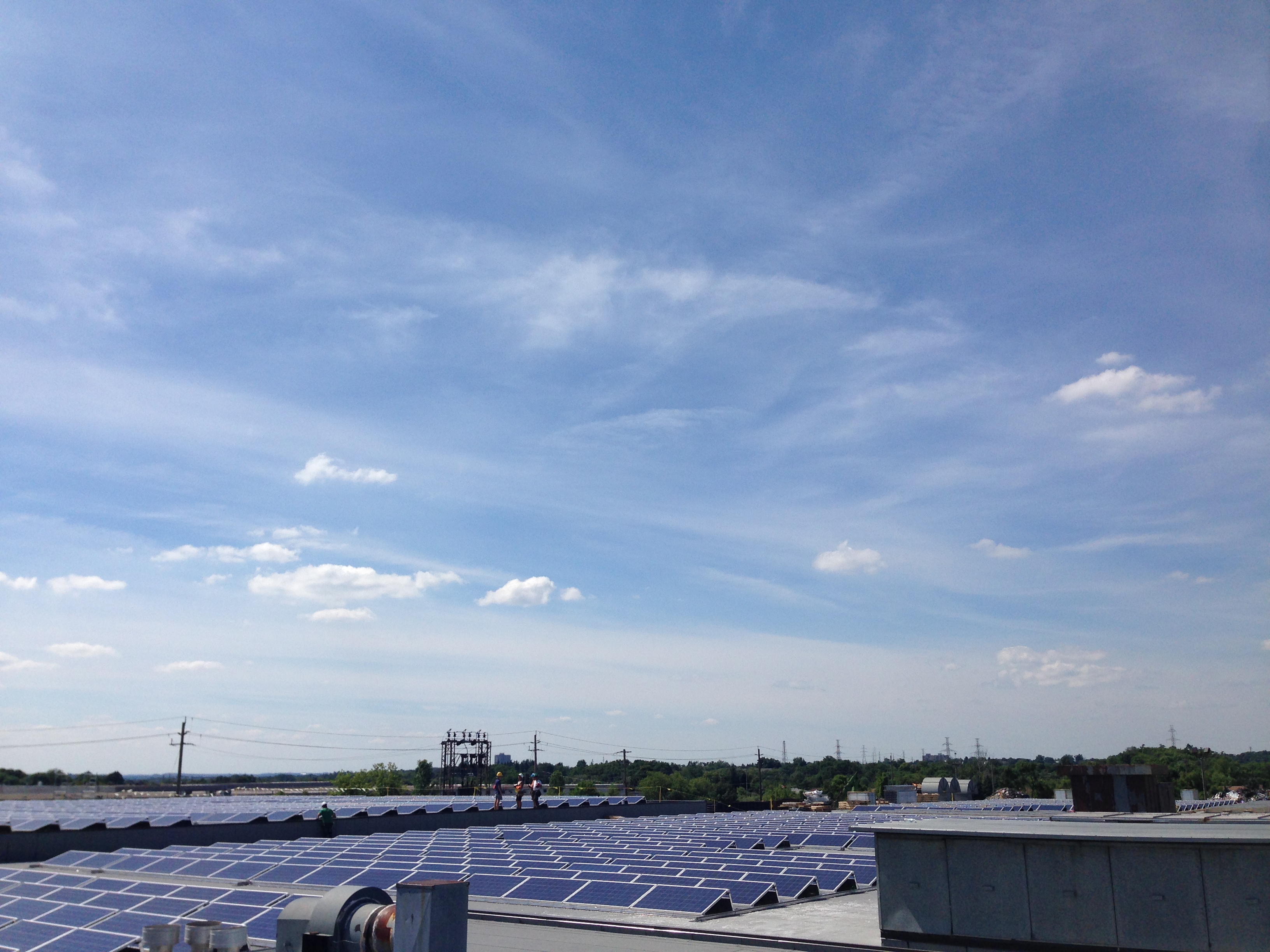
Cambridge, Ontario July 2014
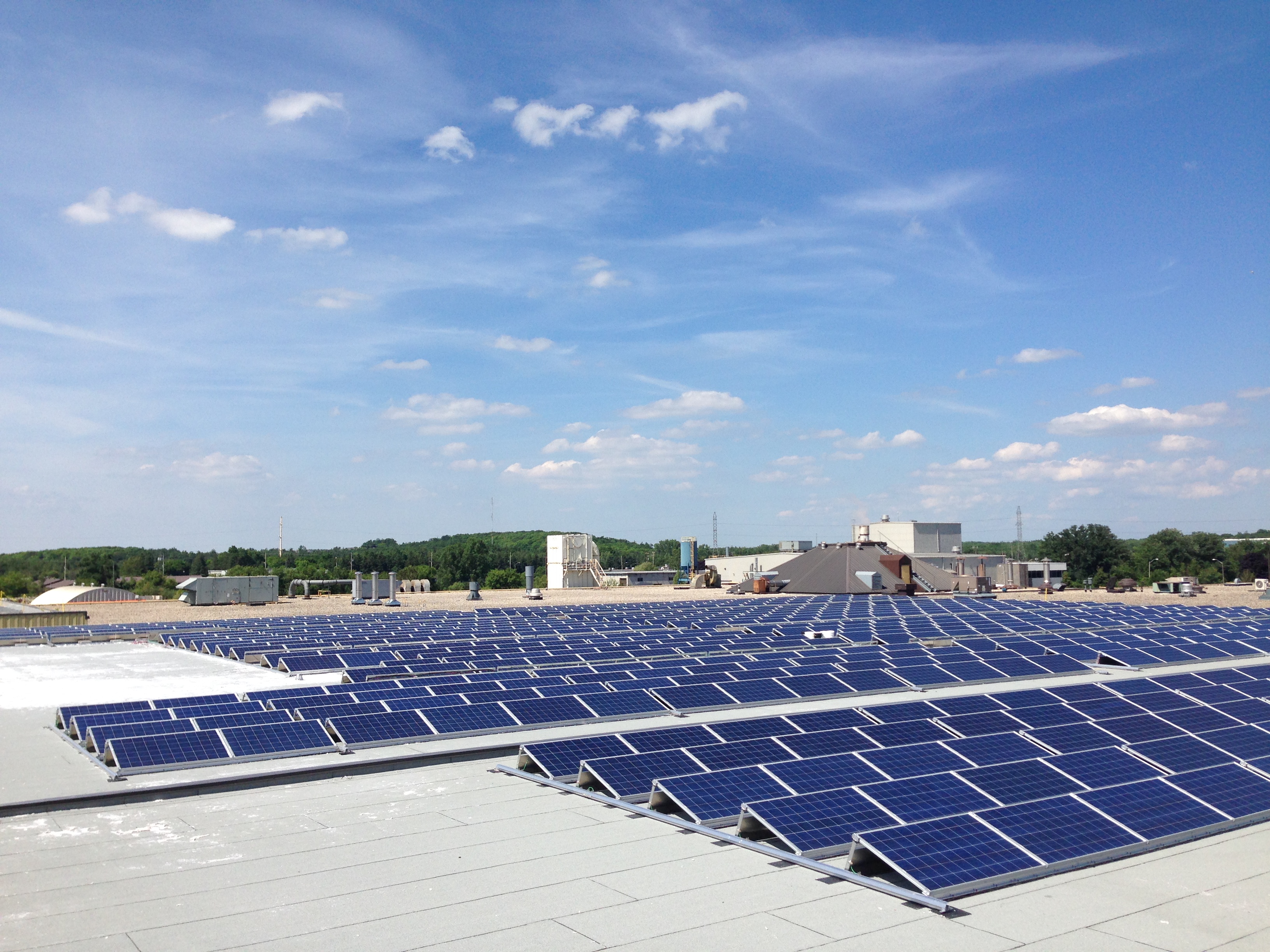
Cambridge, Ontario July 2014
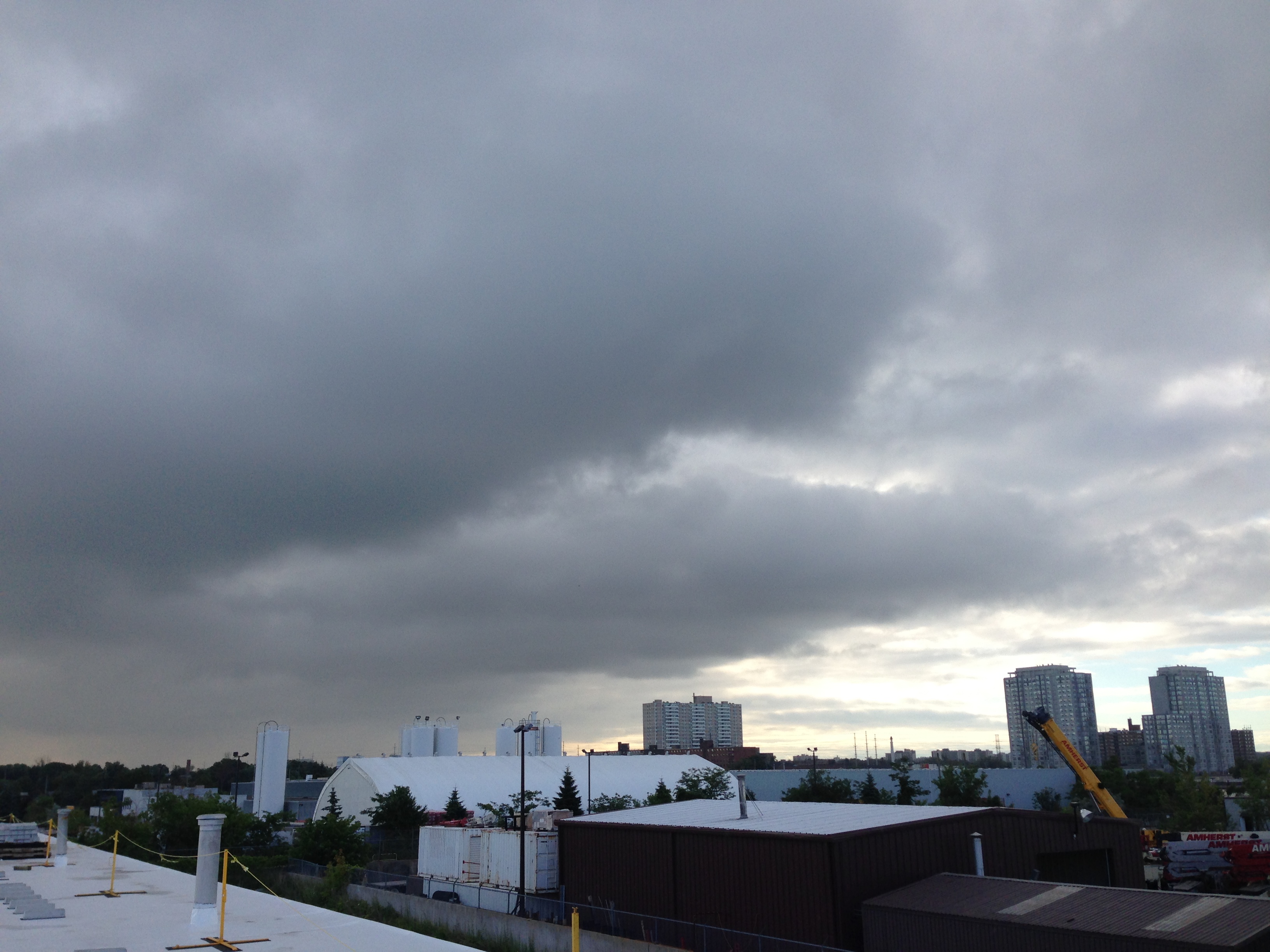
Scarborough, Ontario August 2014
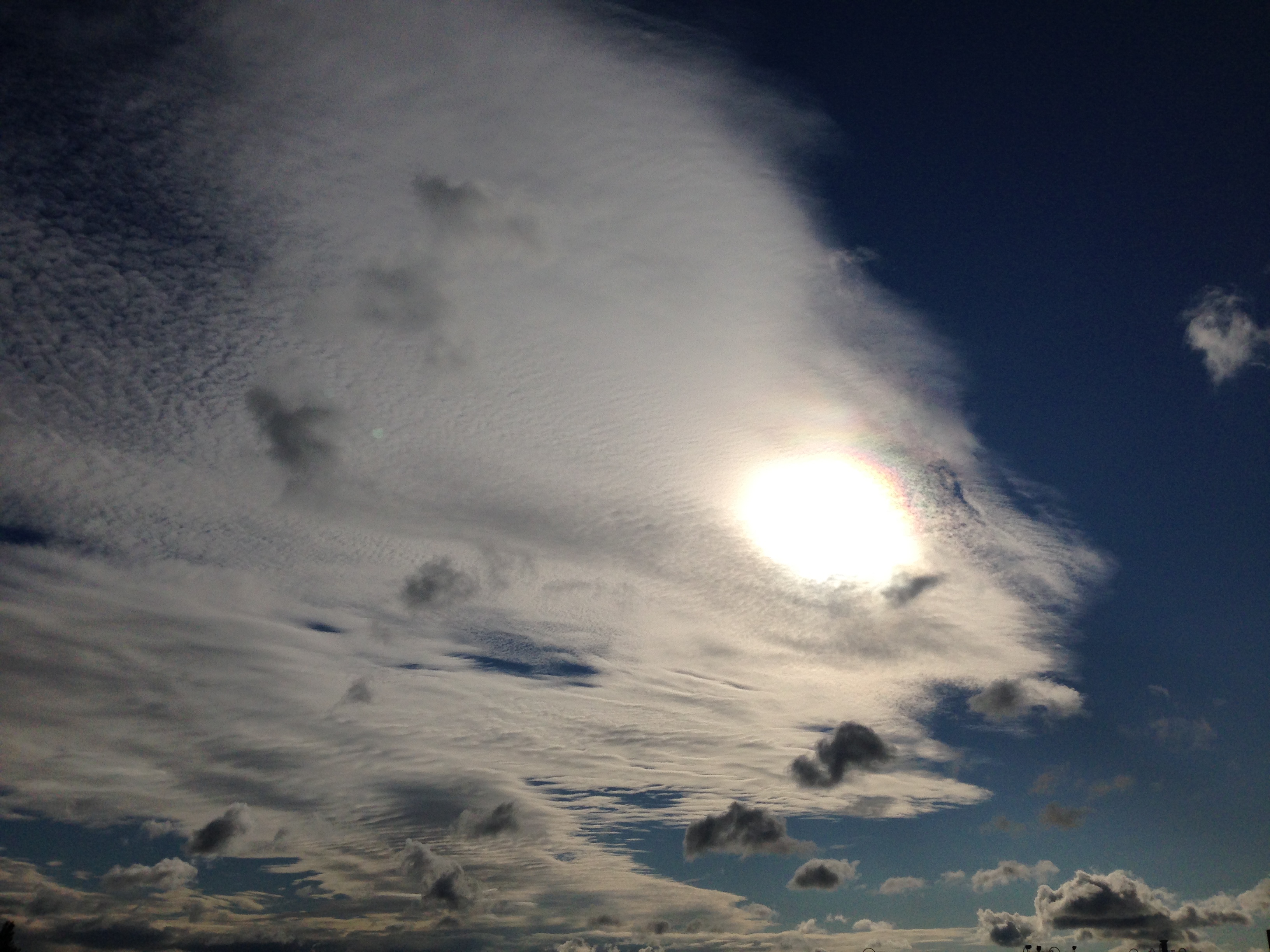
Scarborough, Ontario July 2014
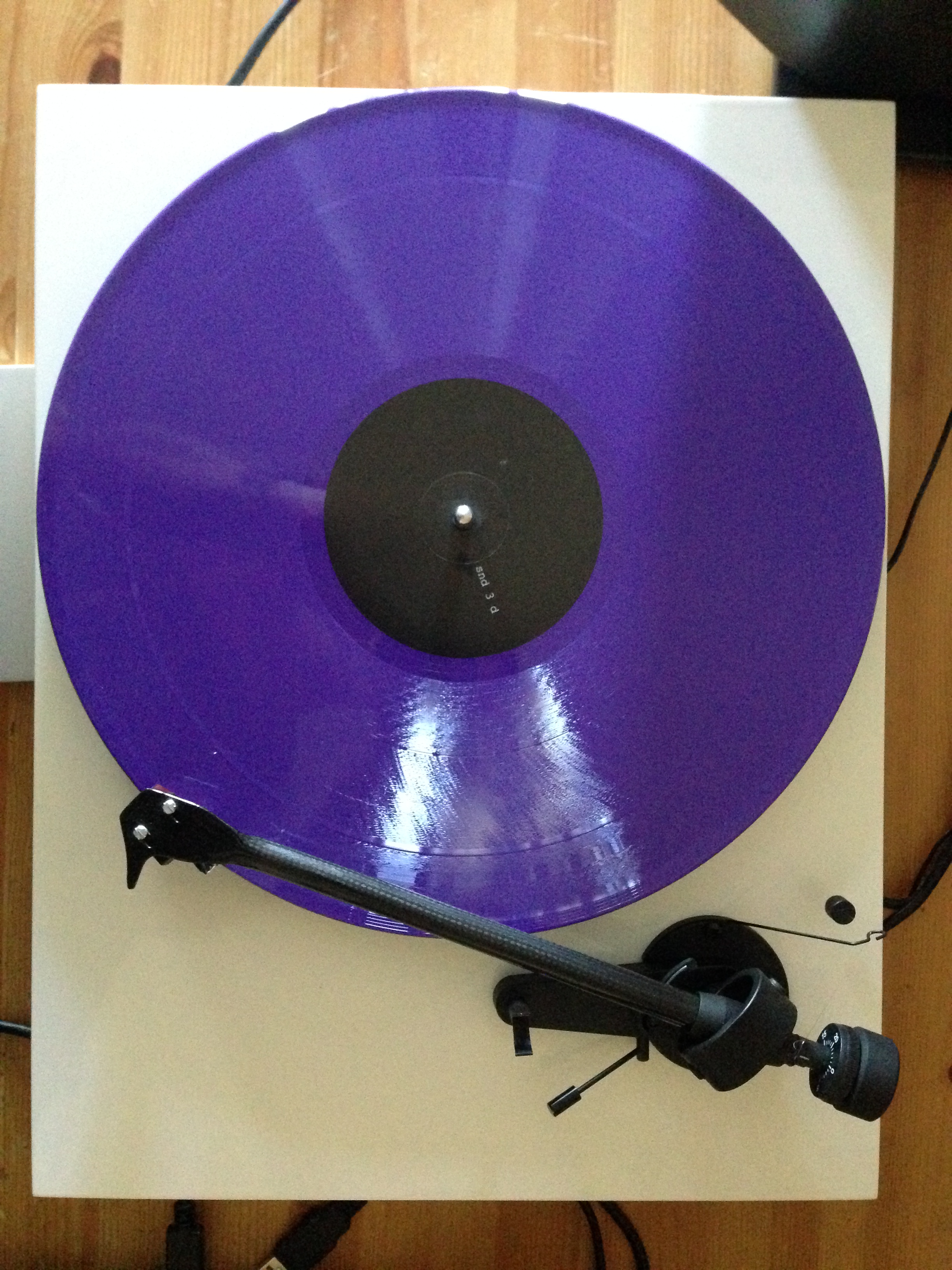
SND travelog 2LP [reissue] – Fell / Steel 2014
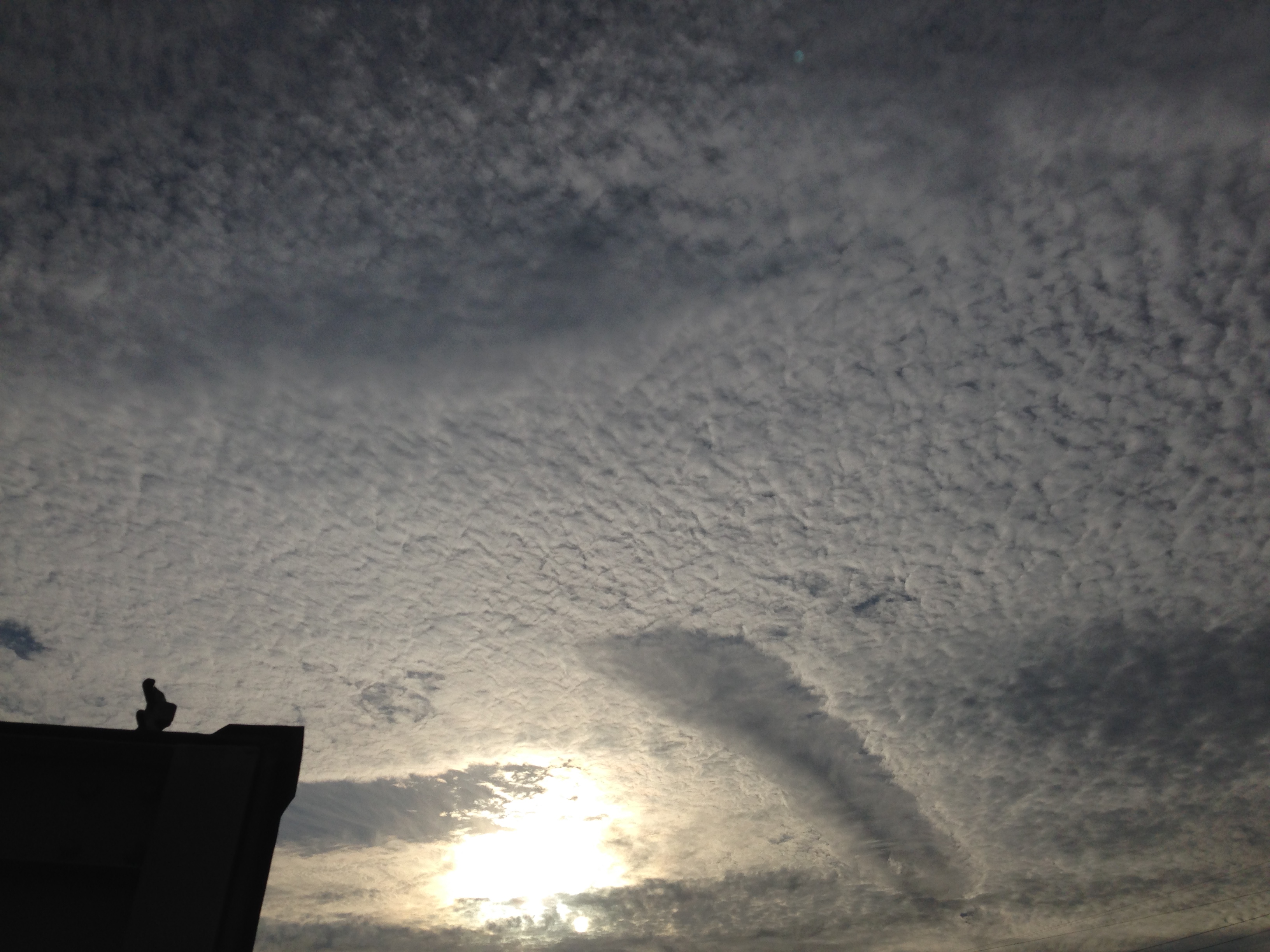
Scarborough, Ontario August 2014

Summer Storm, August 2014
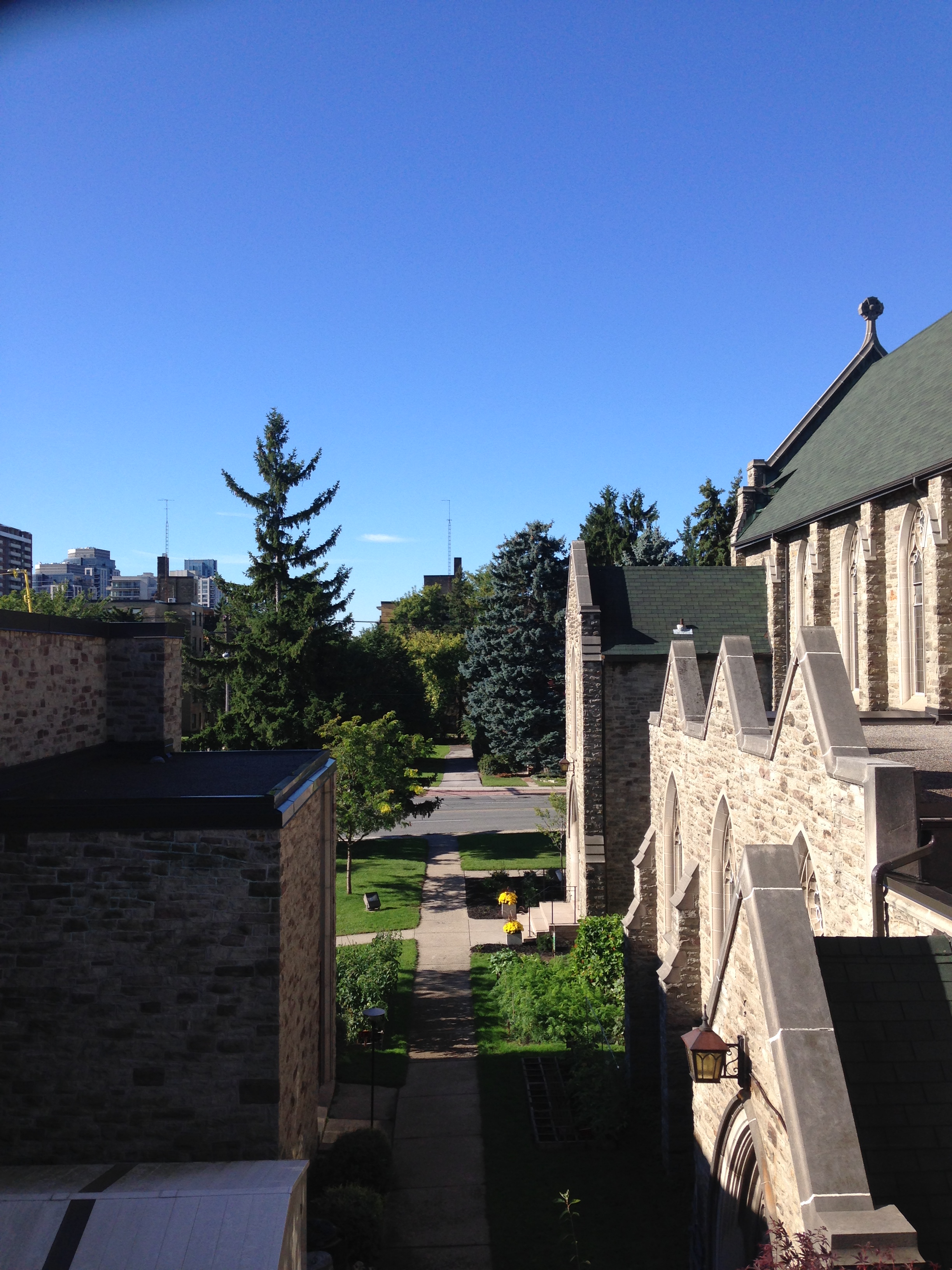
Islington United Church, Etobicoke, Ontario September 2014
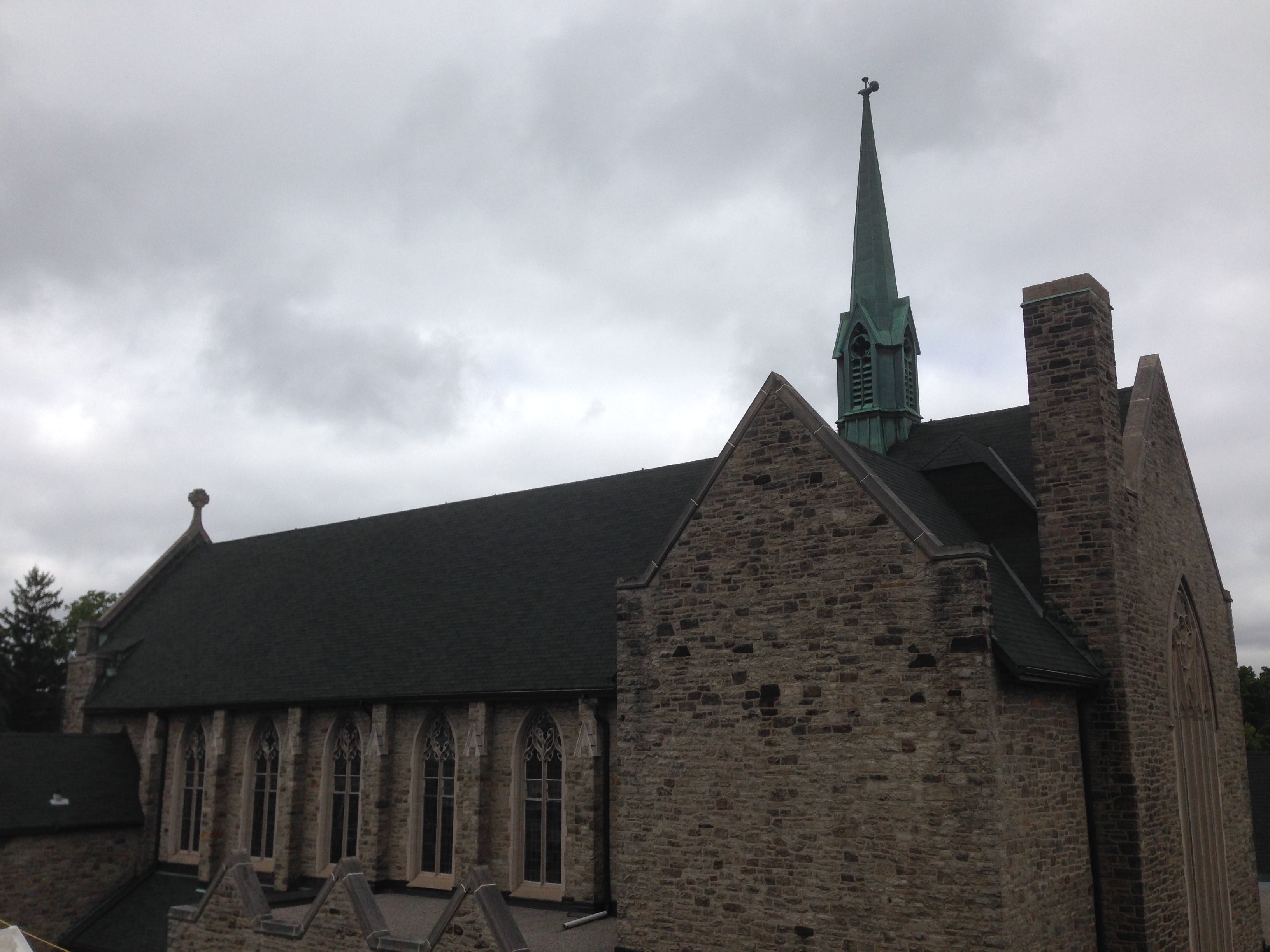
Islington United Church, Etobicoke, Ontario September 2014
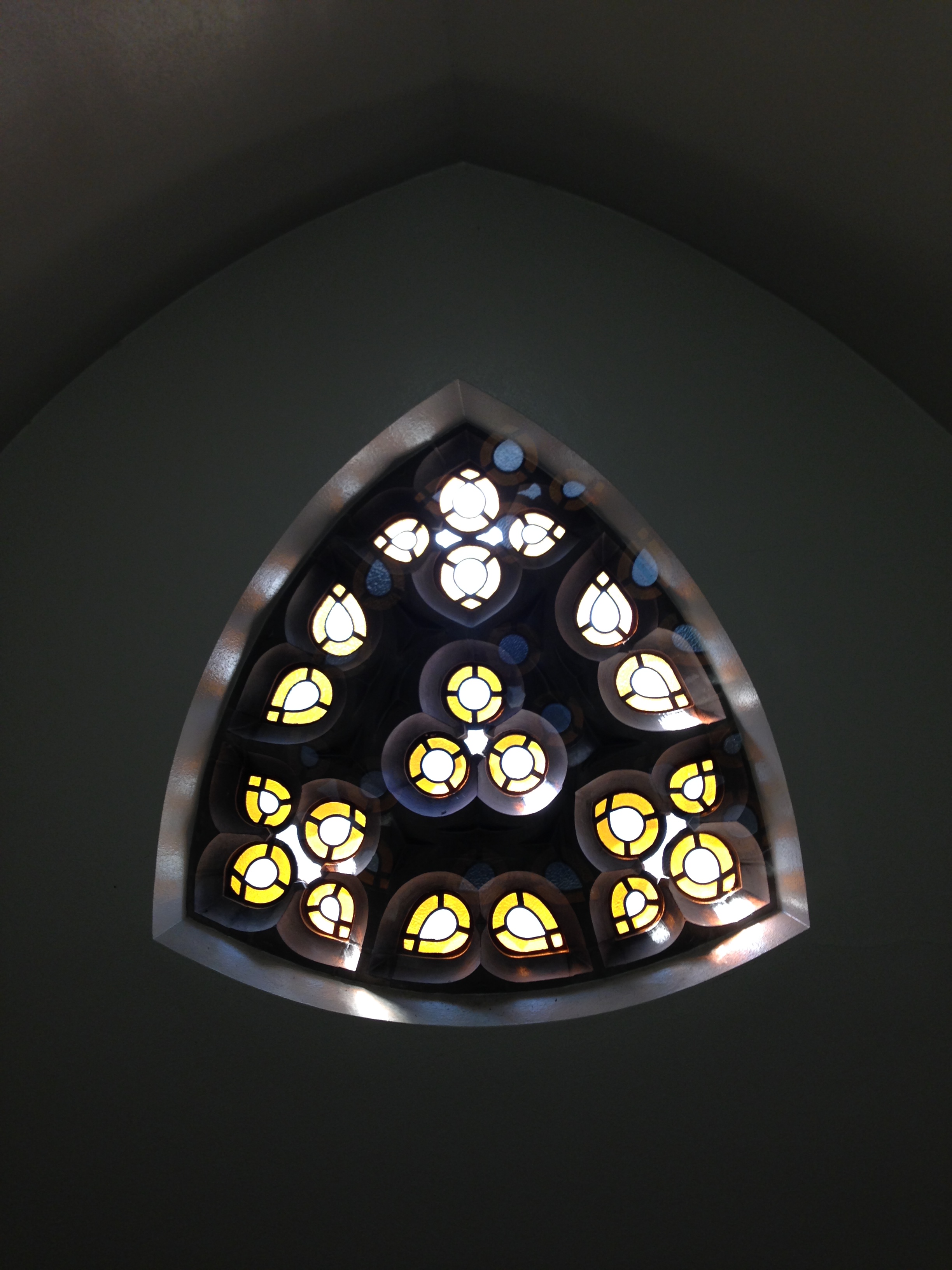
Islington United Church, Etobicoke, Ontario September 2014
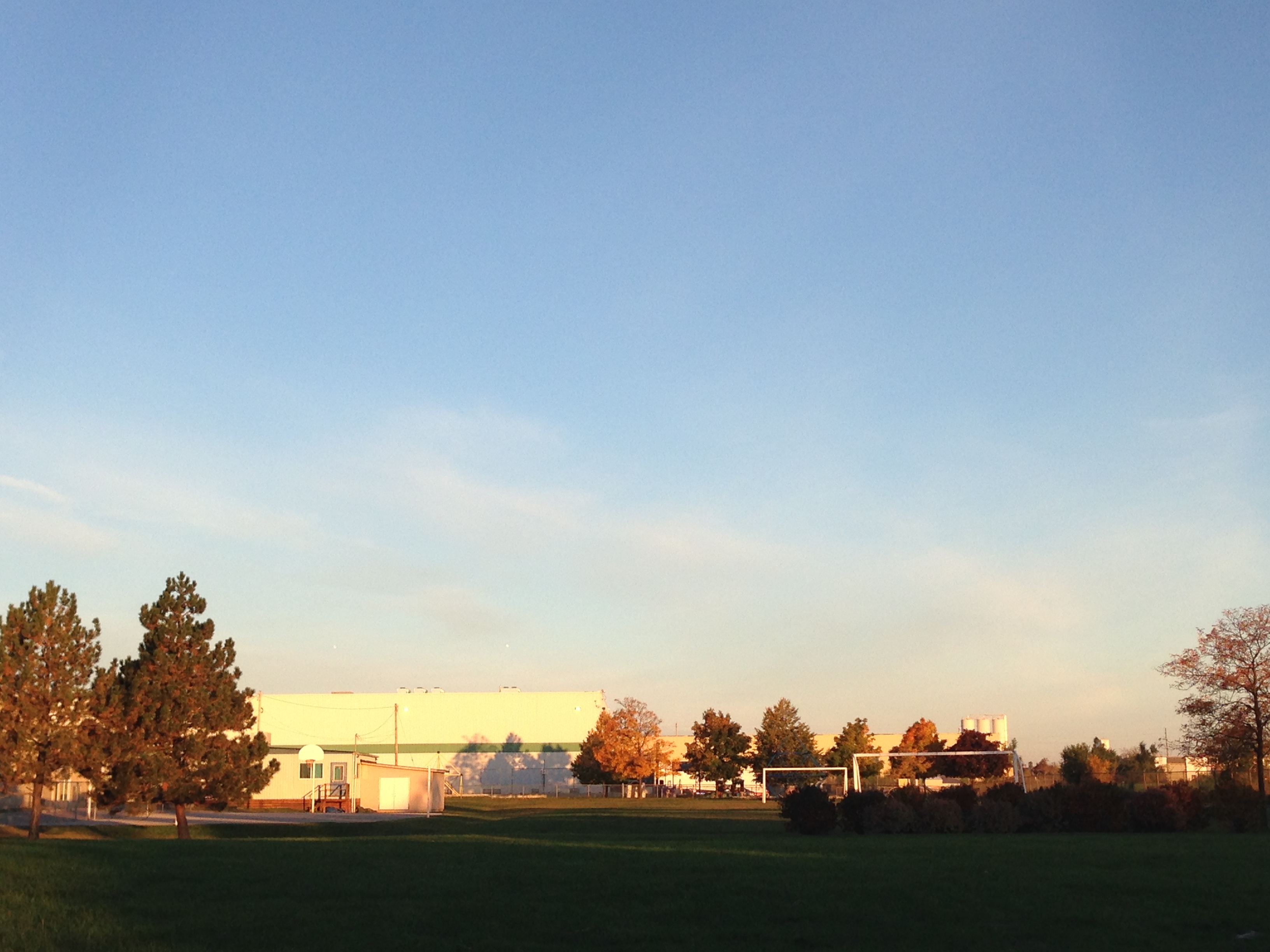
Brampton, Ontario October 2014
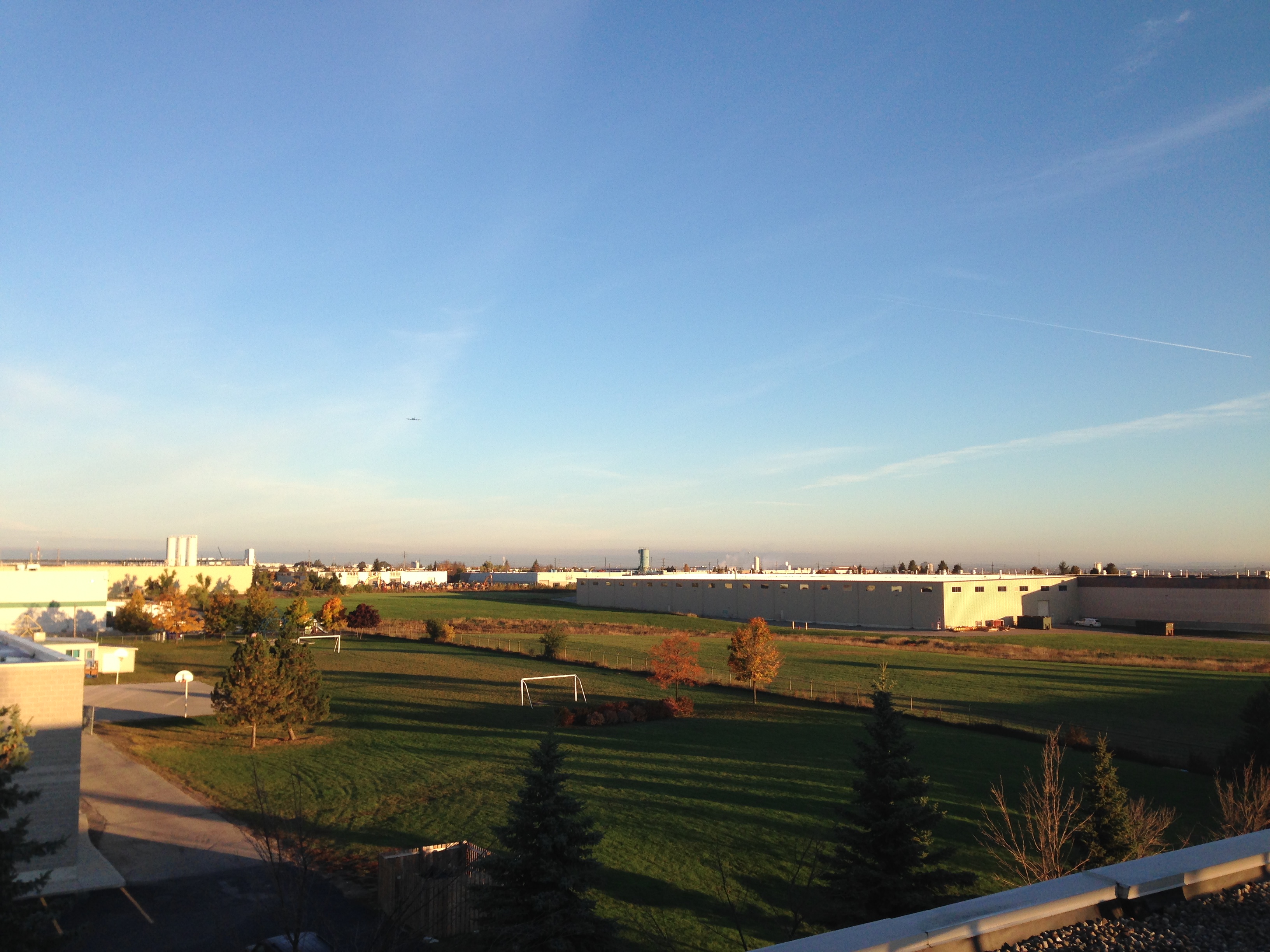
Brampton, Ontario October 2014
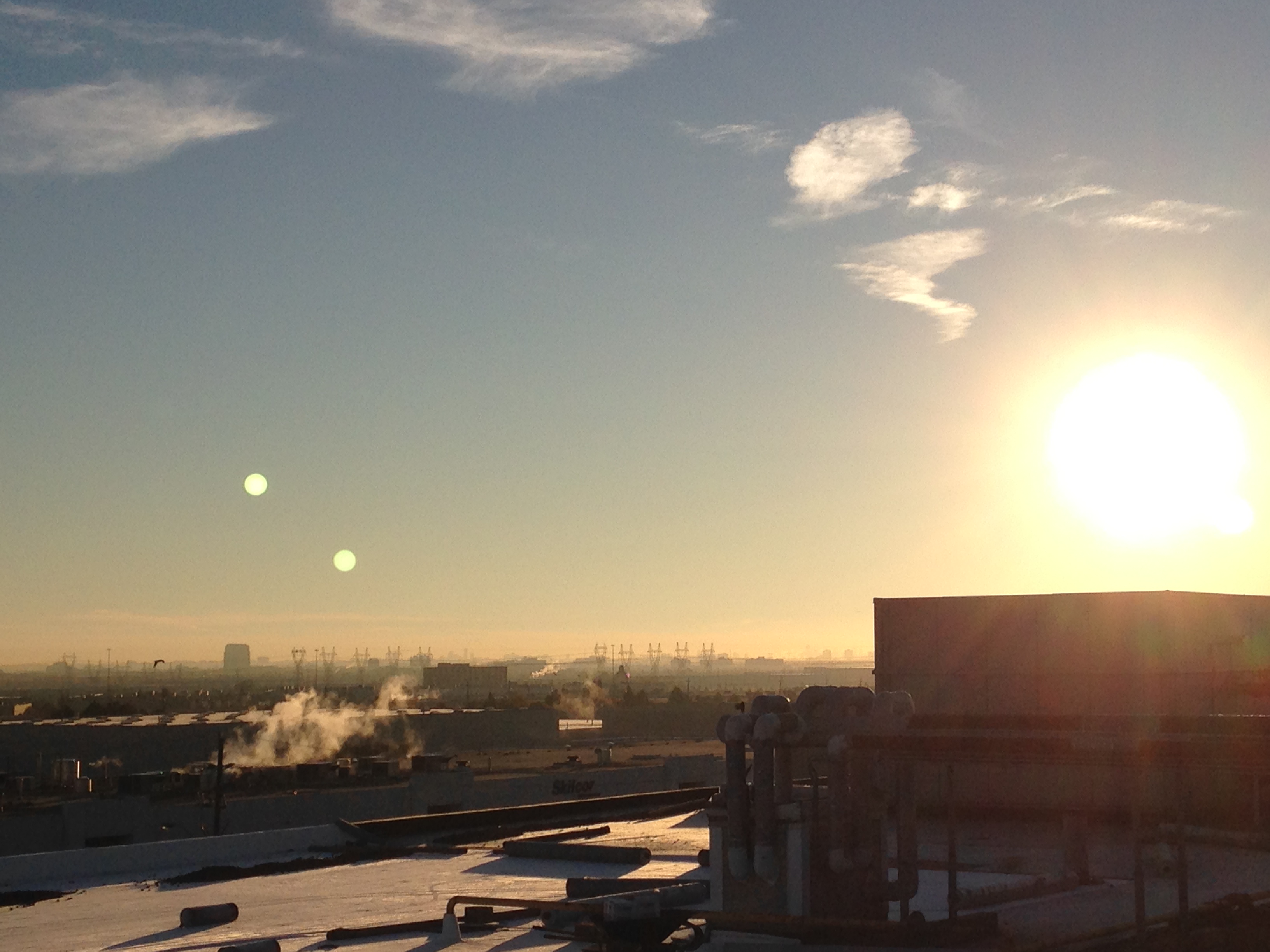
Brampton, Ontario October 2014
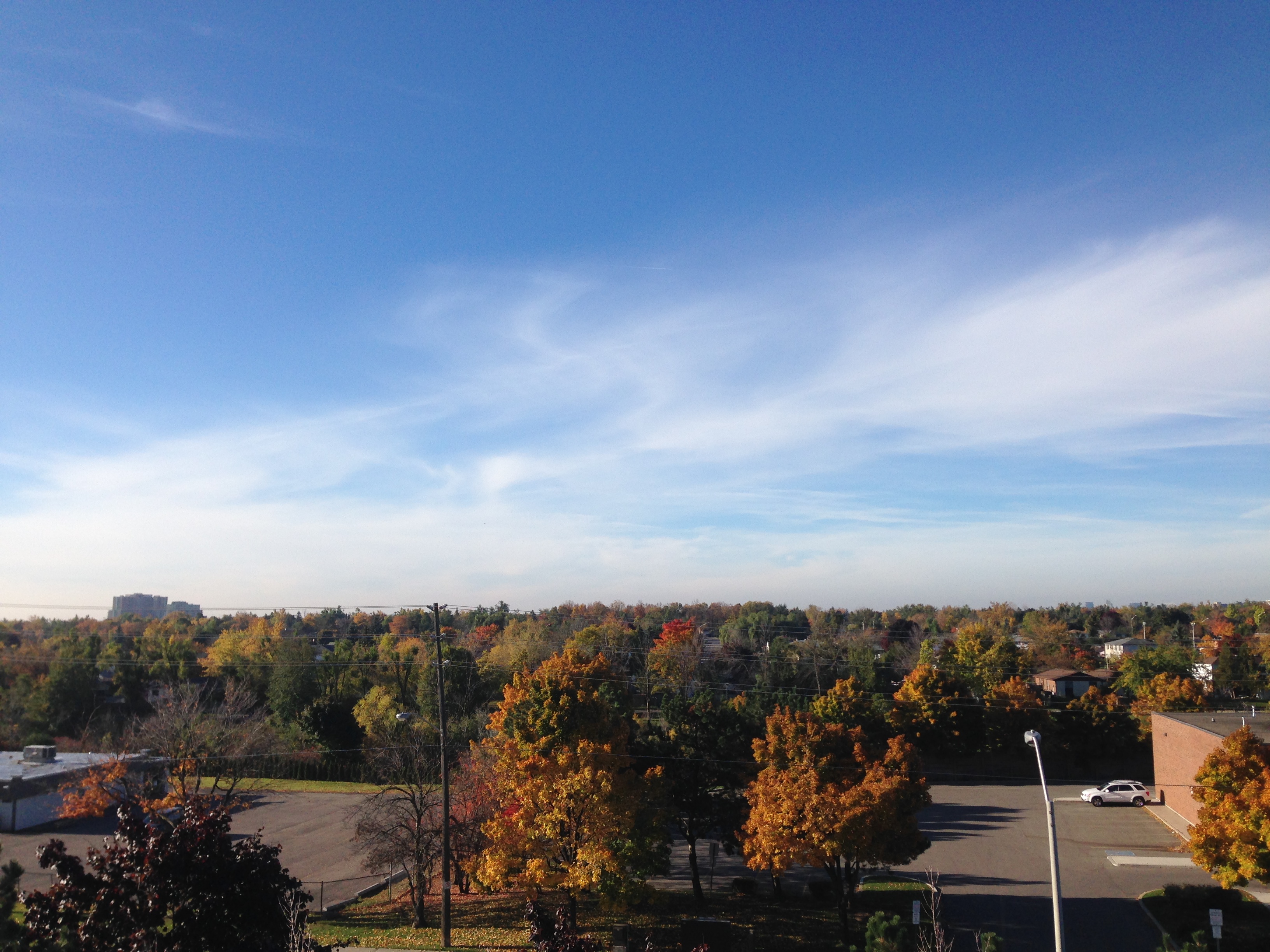
Brampton, Ontario October 2014
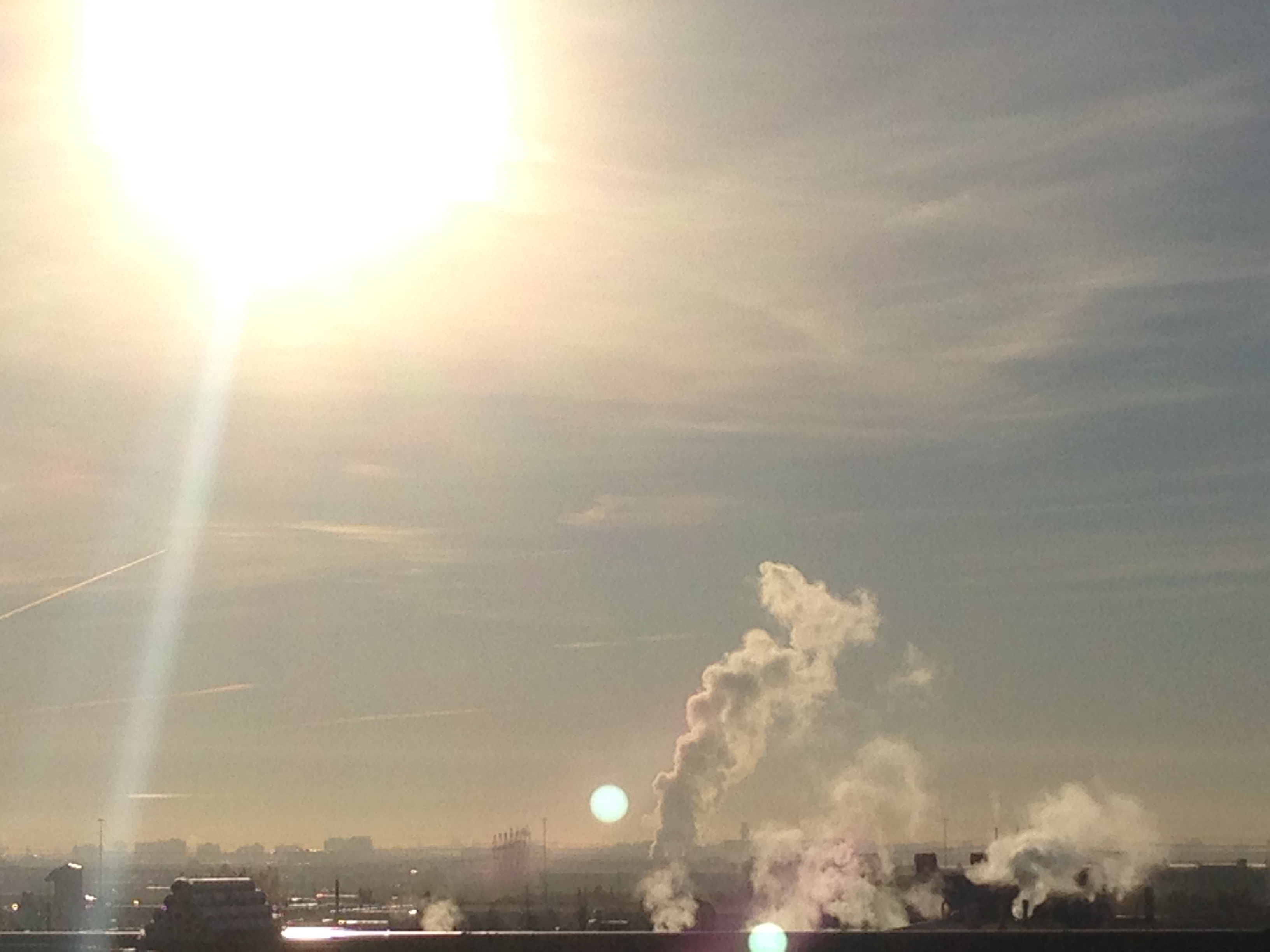
Brampton, Ontario November 2014
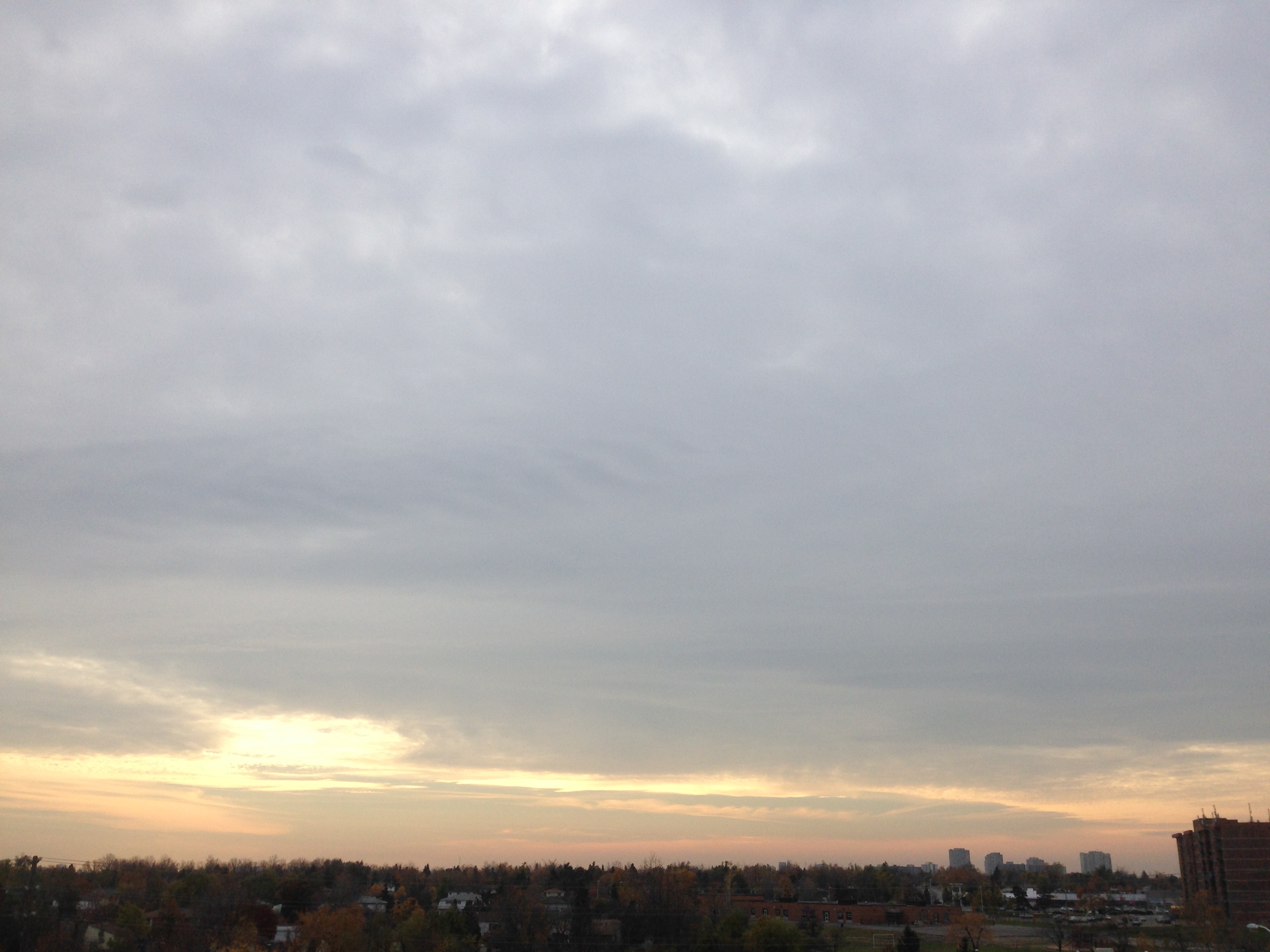
Brampton, Ontario November 2014
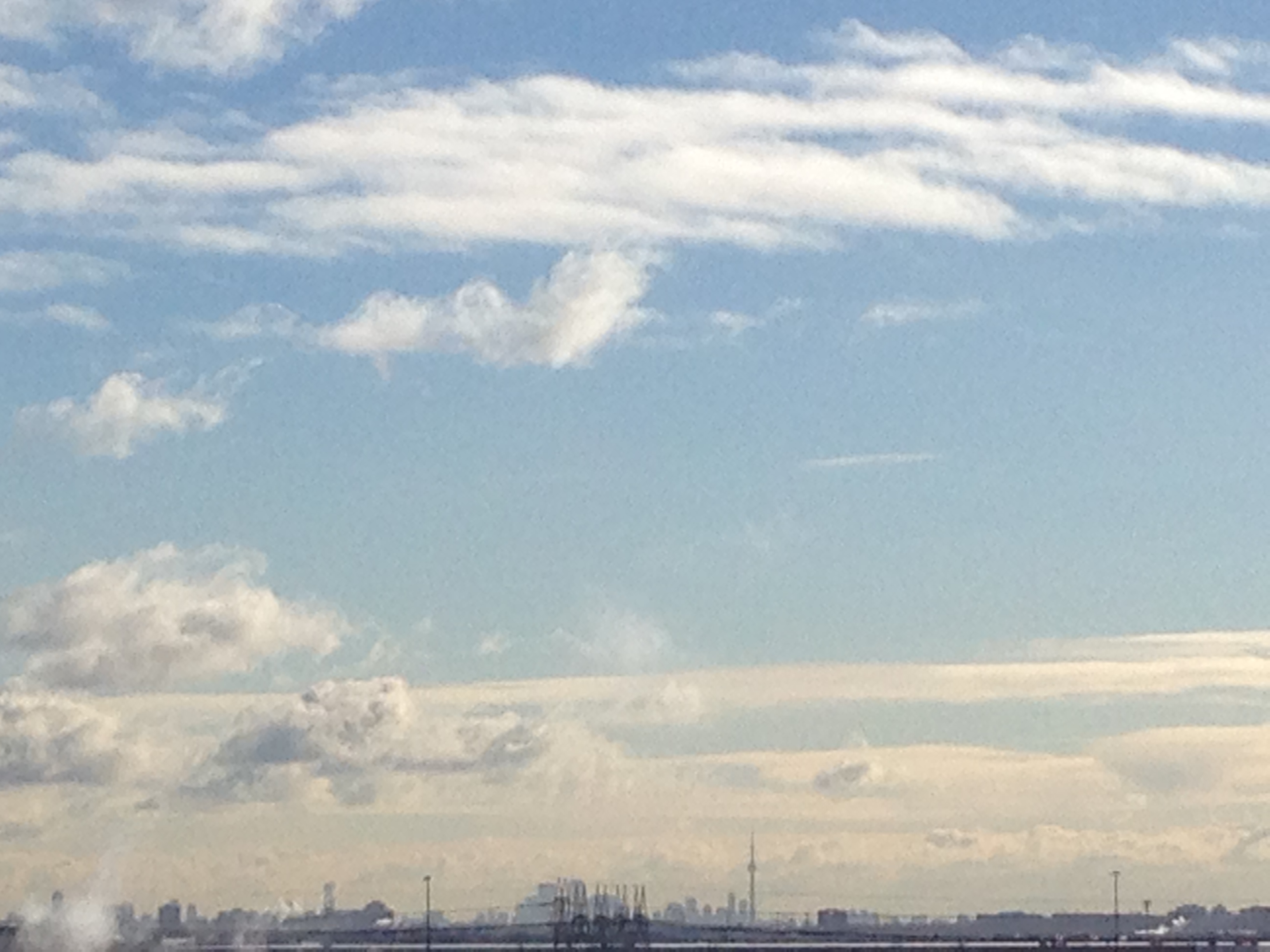
Brampton, Ontario November 2014
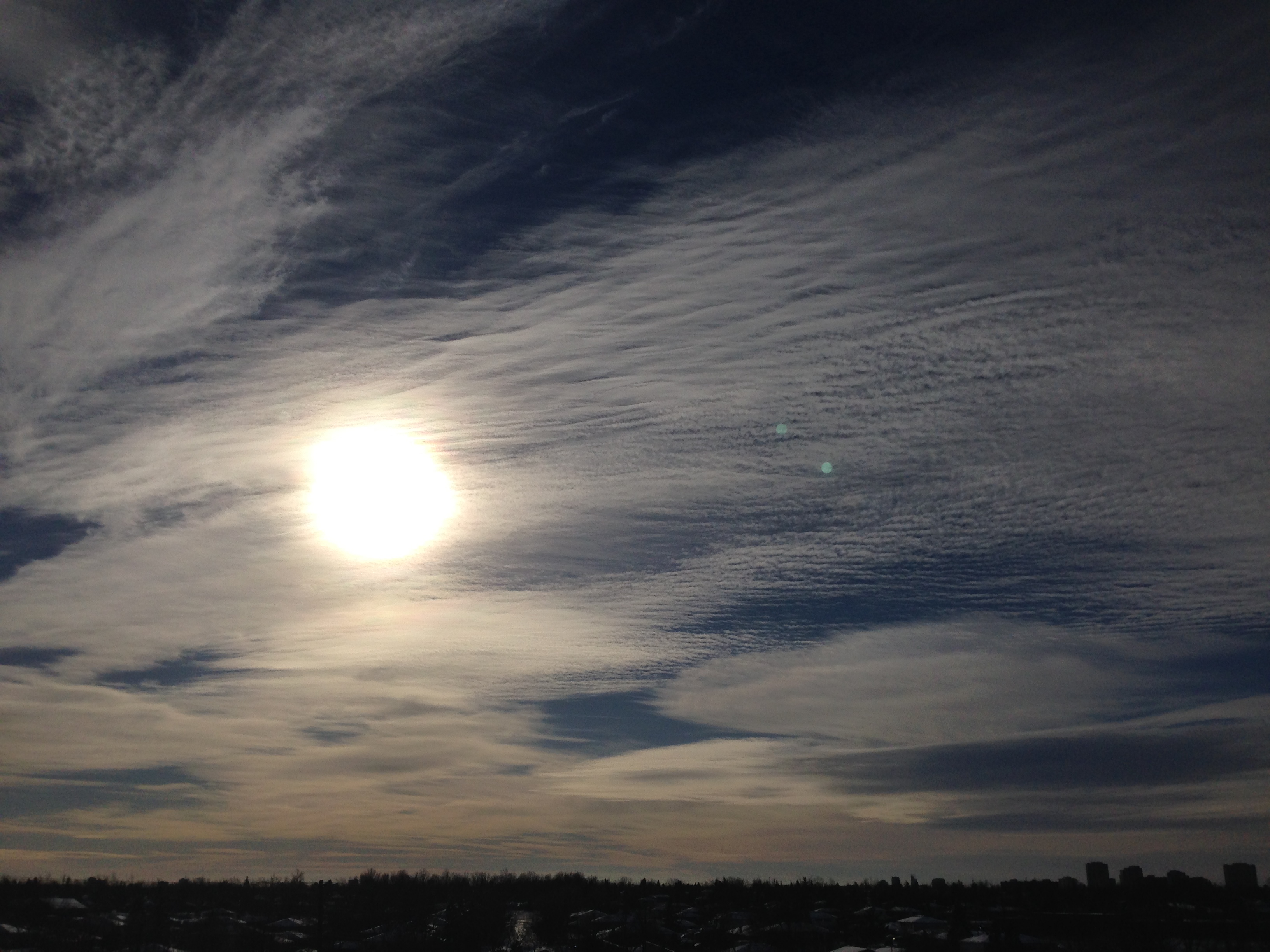
Brampton, Ontario December 2014
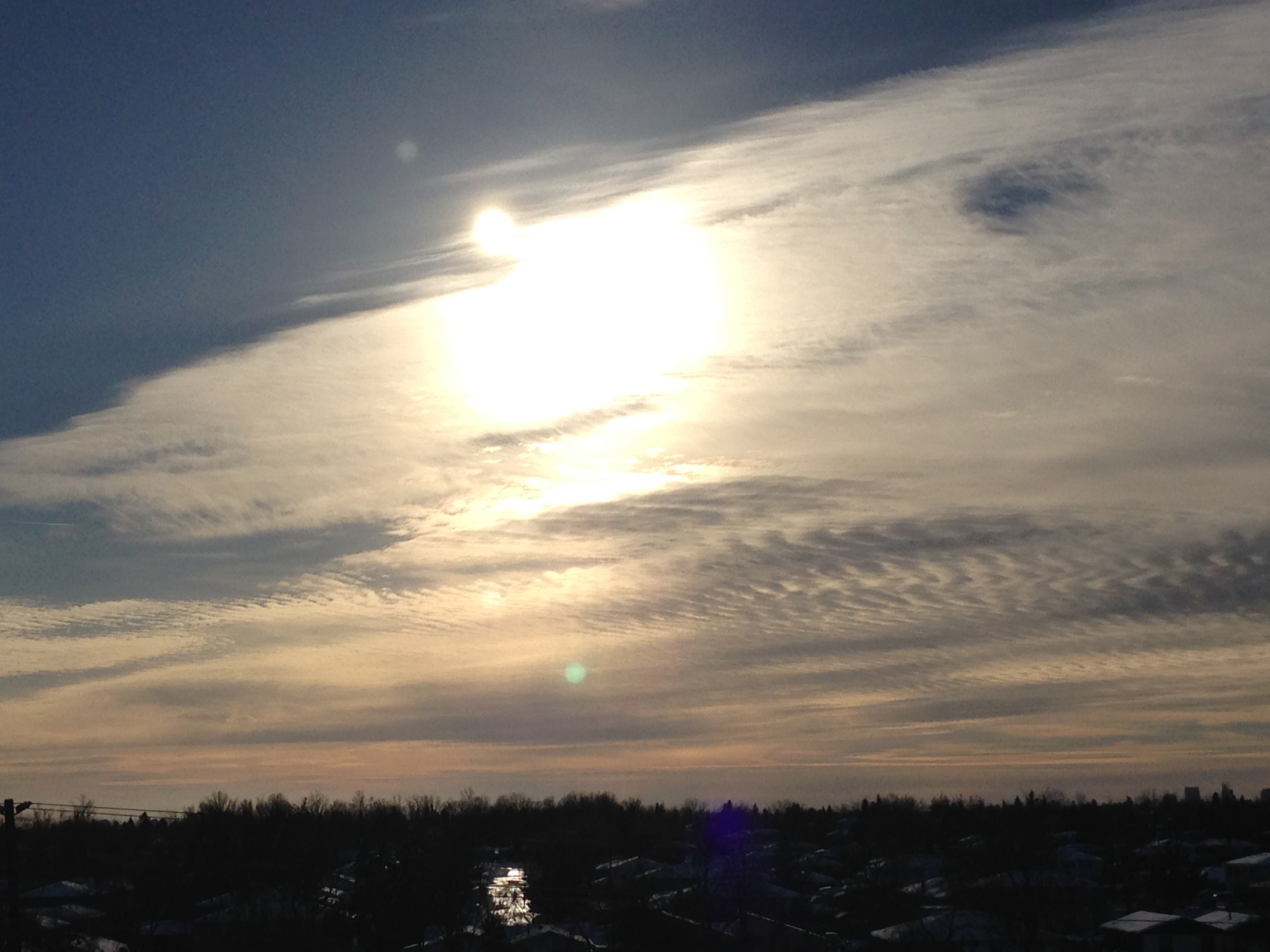
Brampton, Ontario December 2014
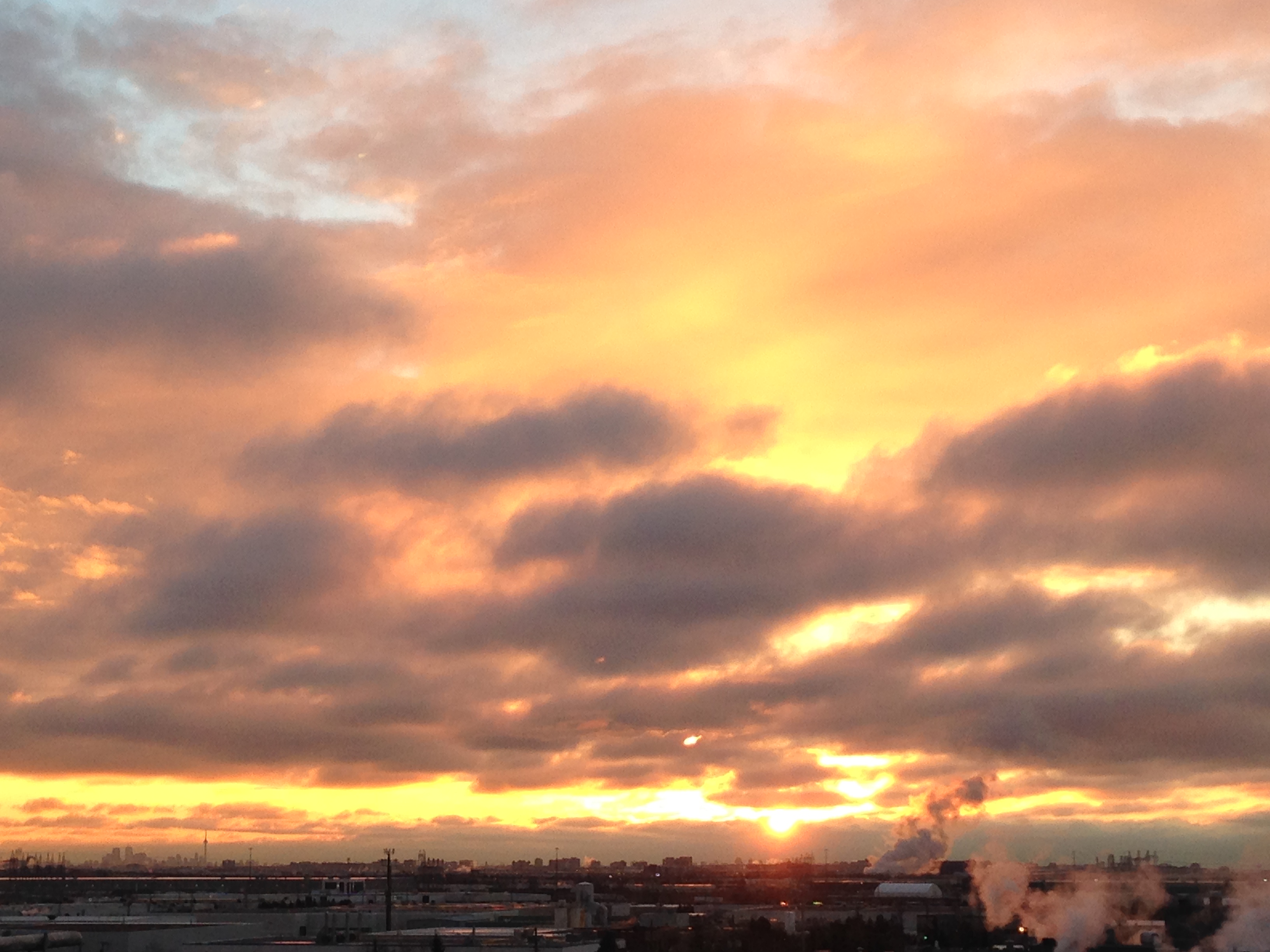
Brampton, Ontario December 2014
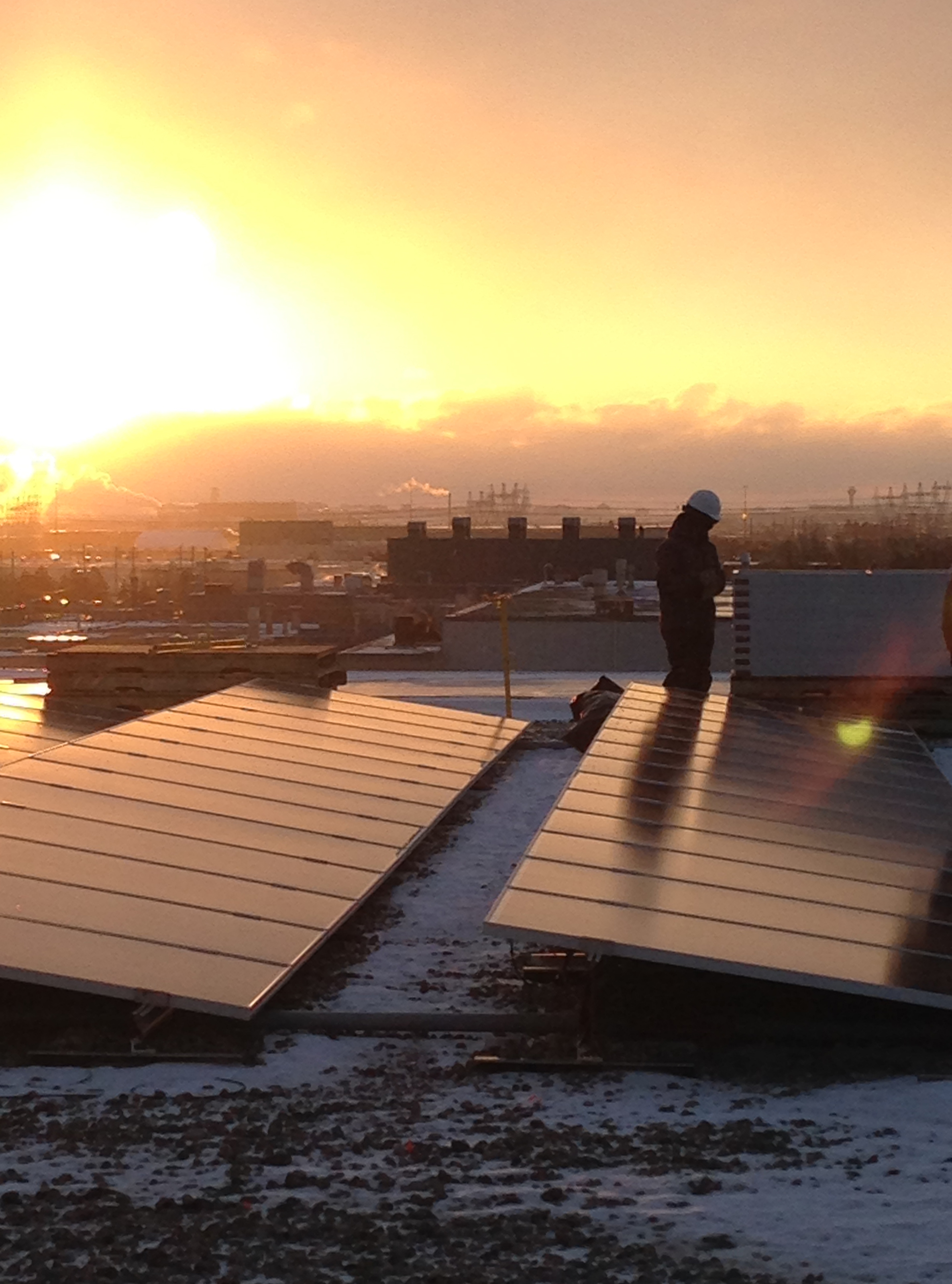
Brampton, Ontario December 2014
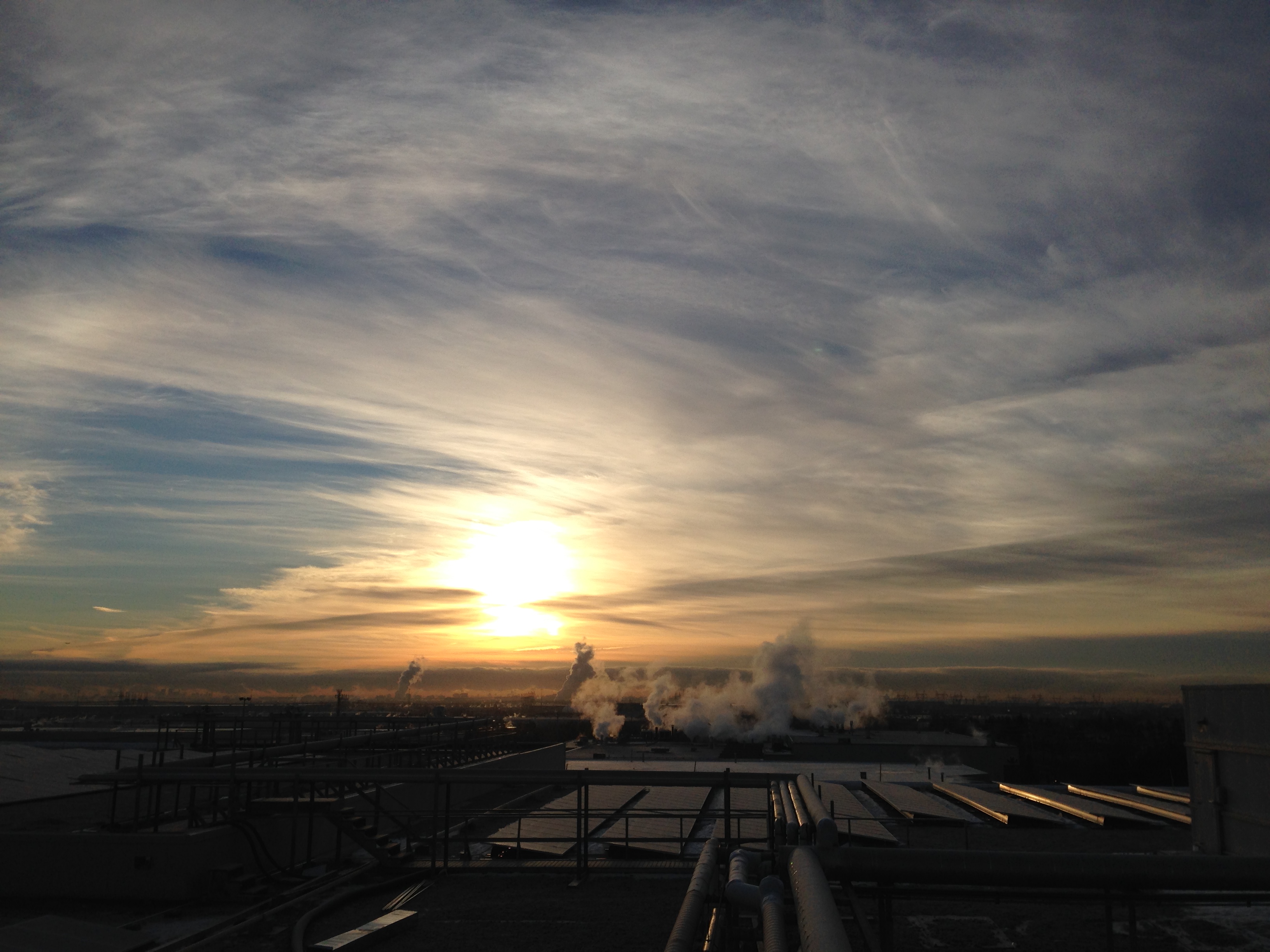
Brampton, Ontario January 2015
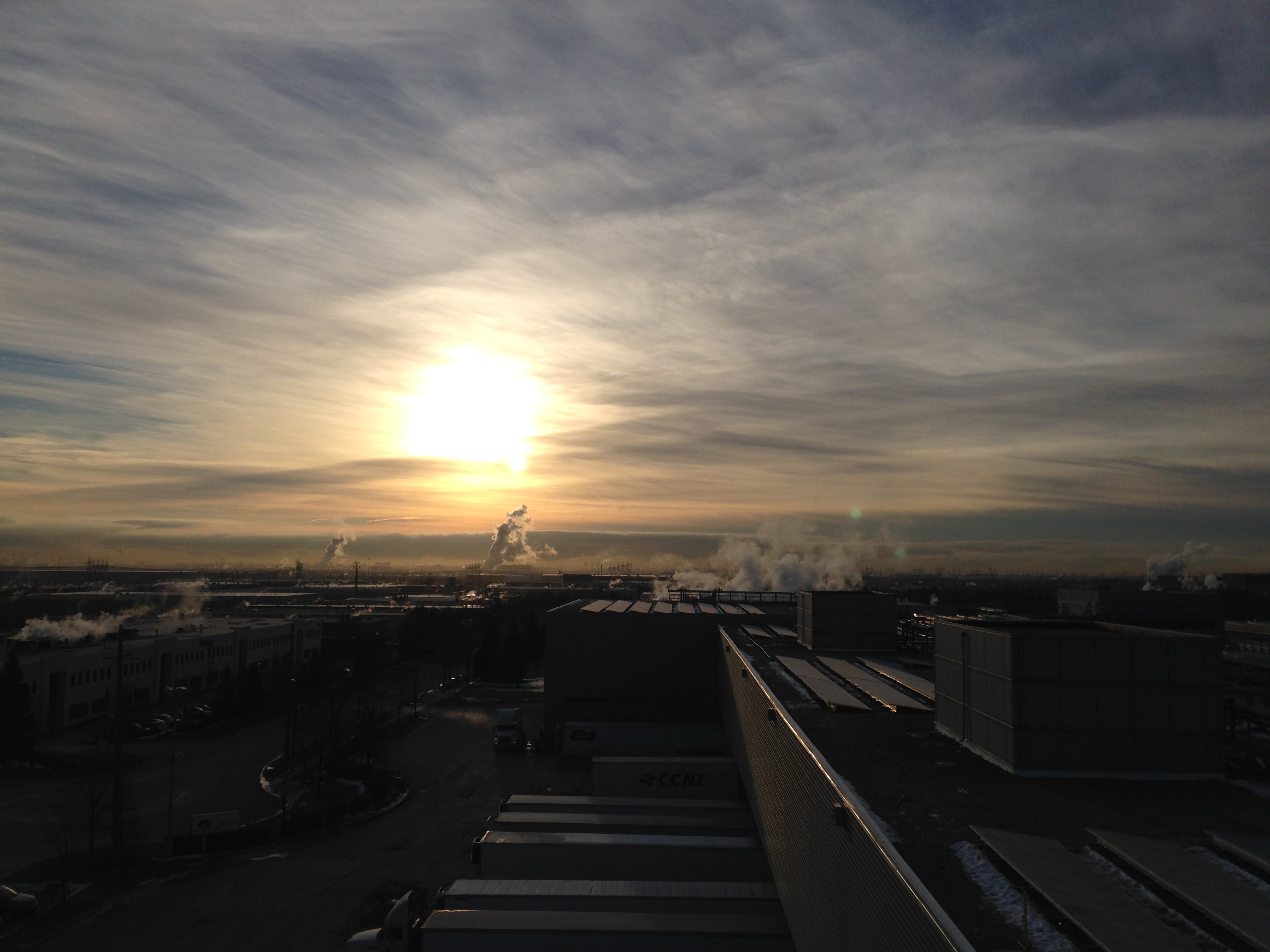
Brampton, Ontario January 2015
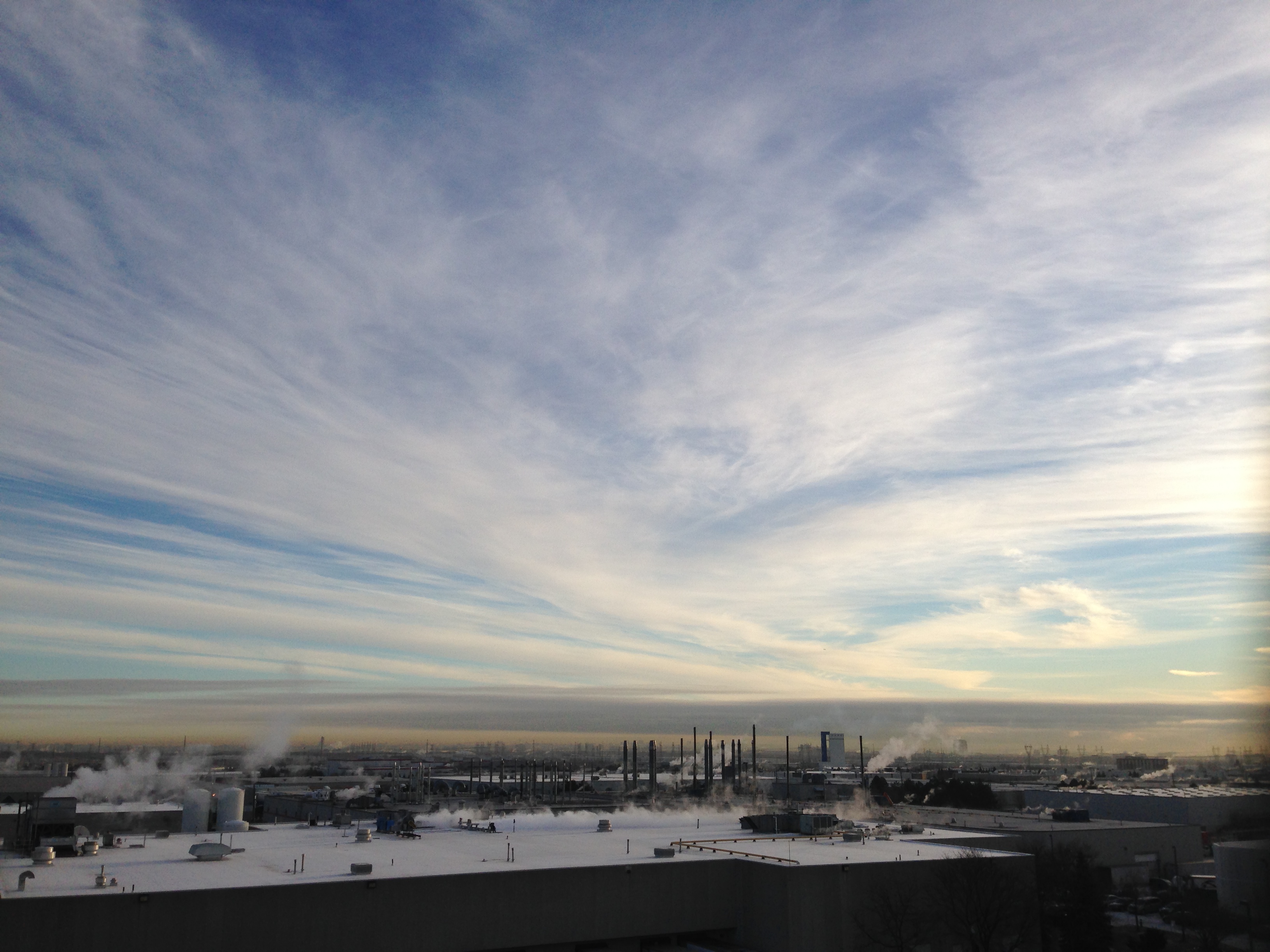
Brampton, Ontario January 2015
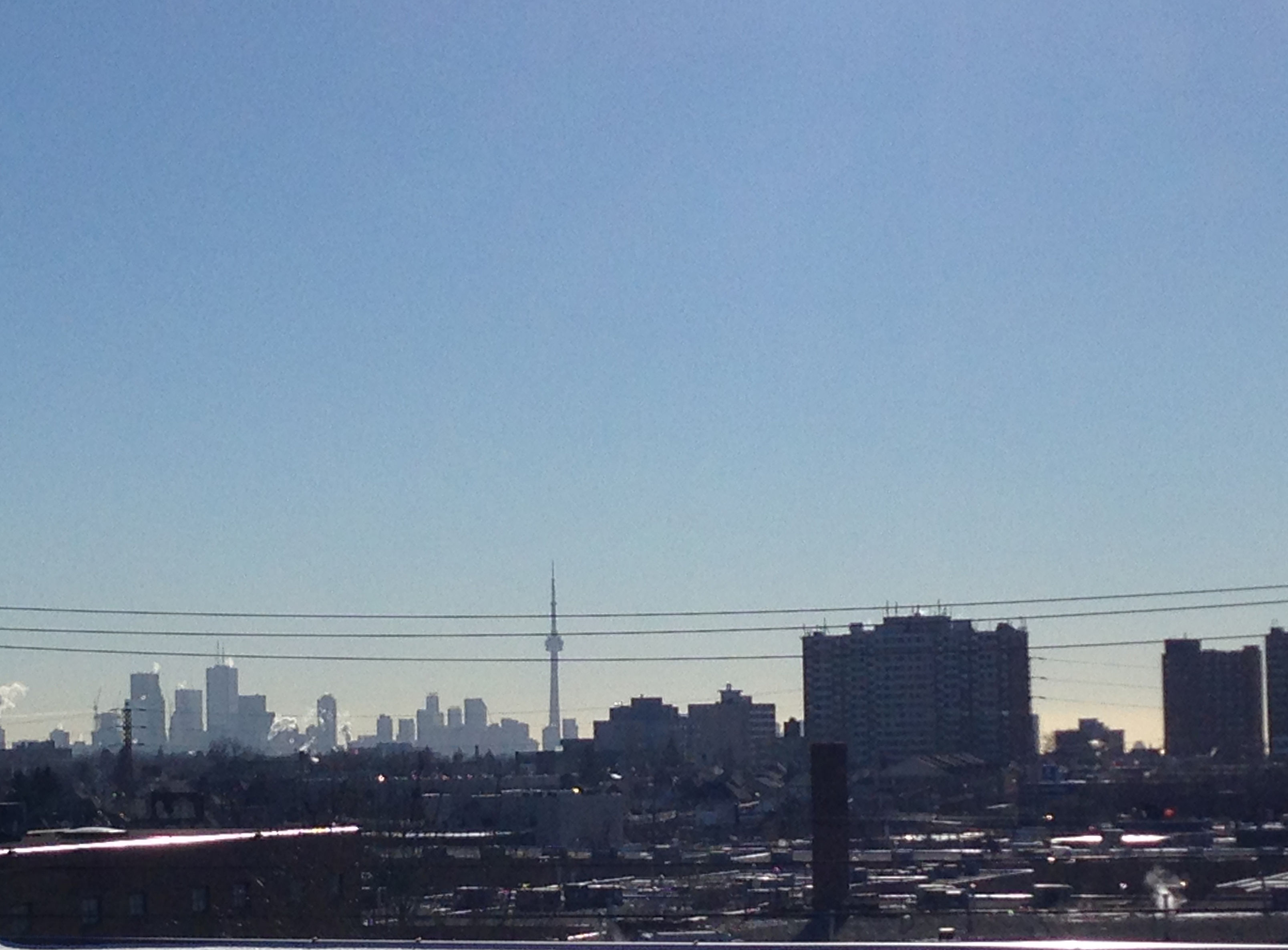
North York, Ontario January 2015
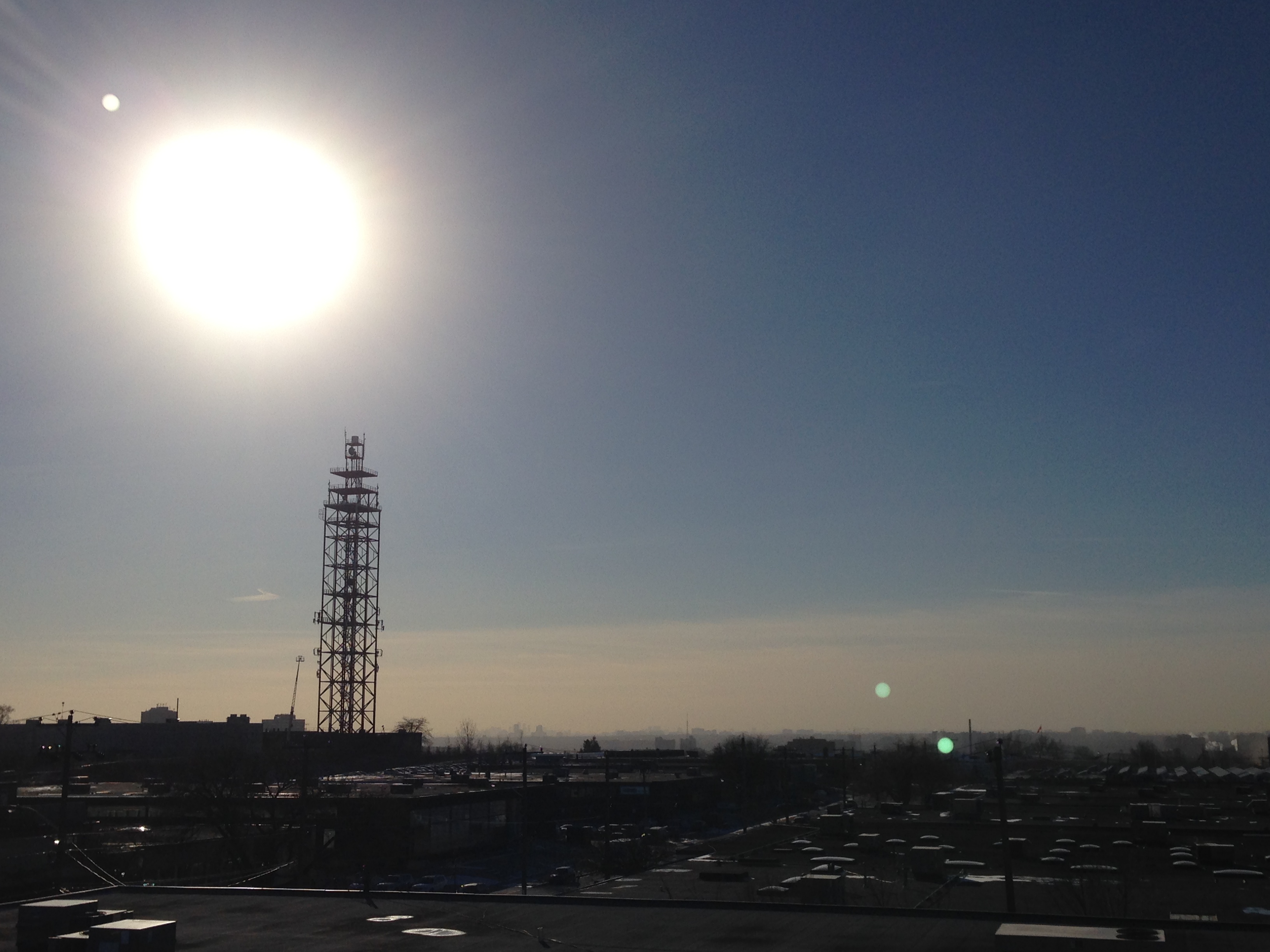
North York, Ontario January 2015

Brampton, Ontario February 2015
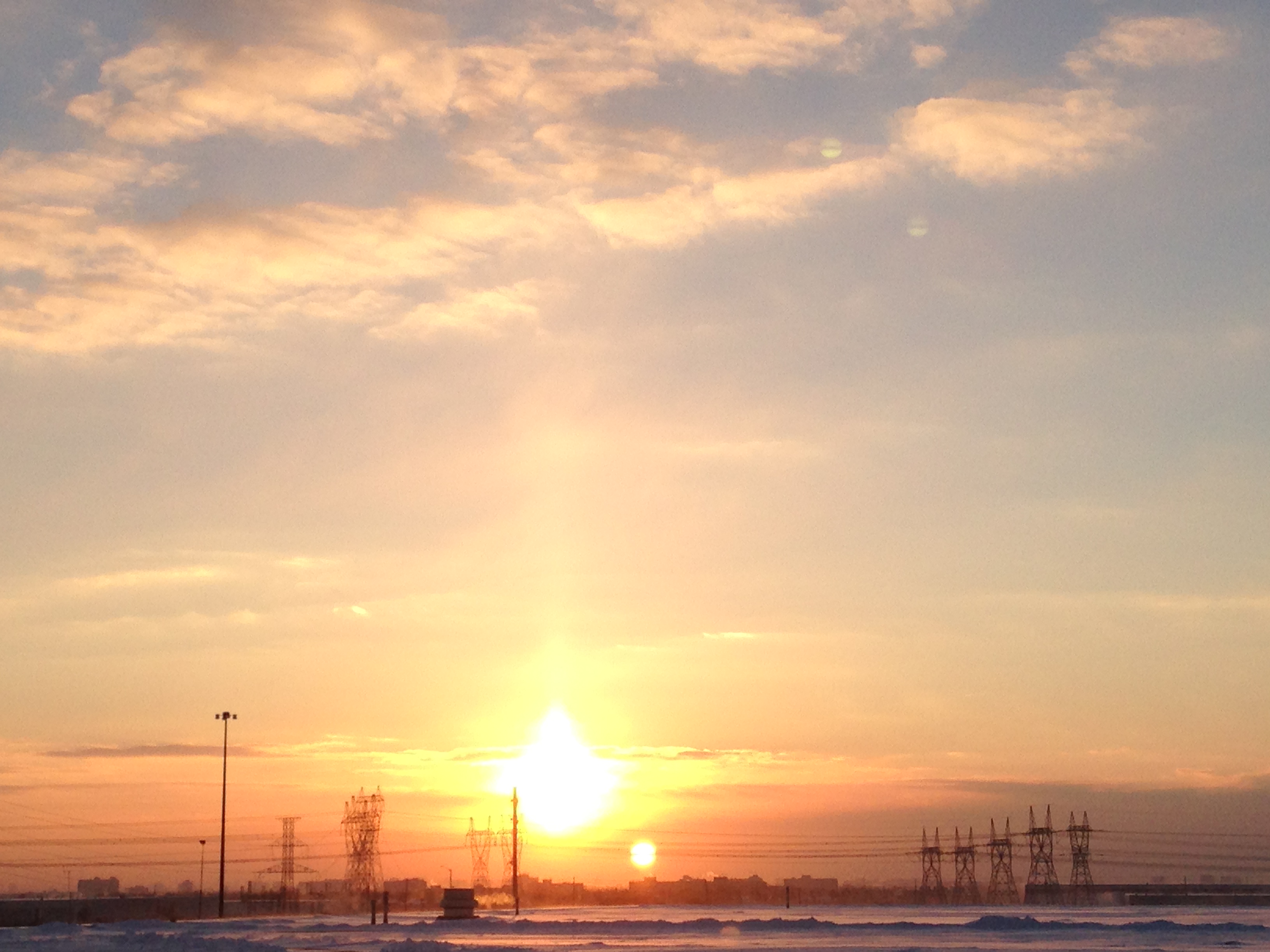
Brampton, Ontario February 2015

sun dog, Brampton, Ontario February 2015
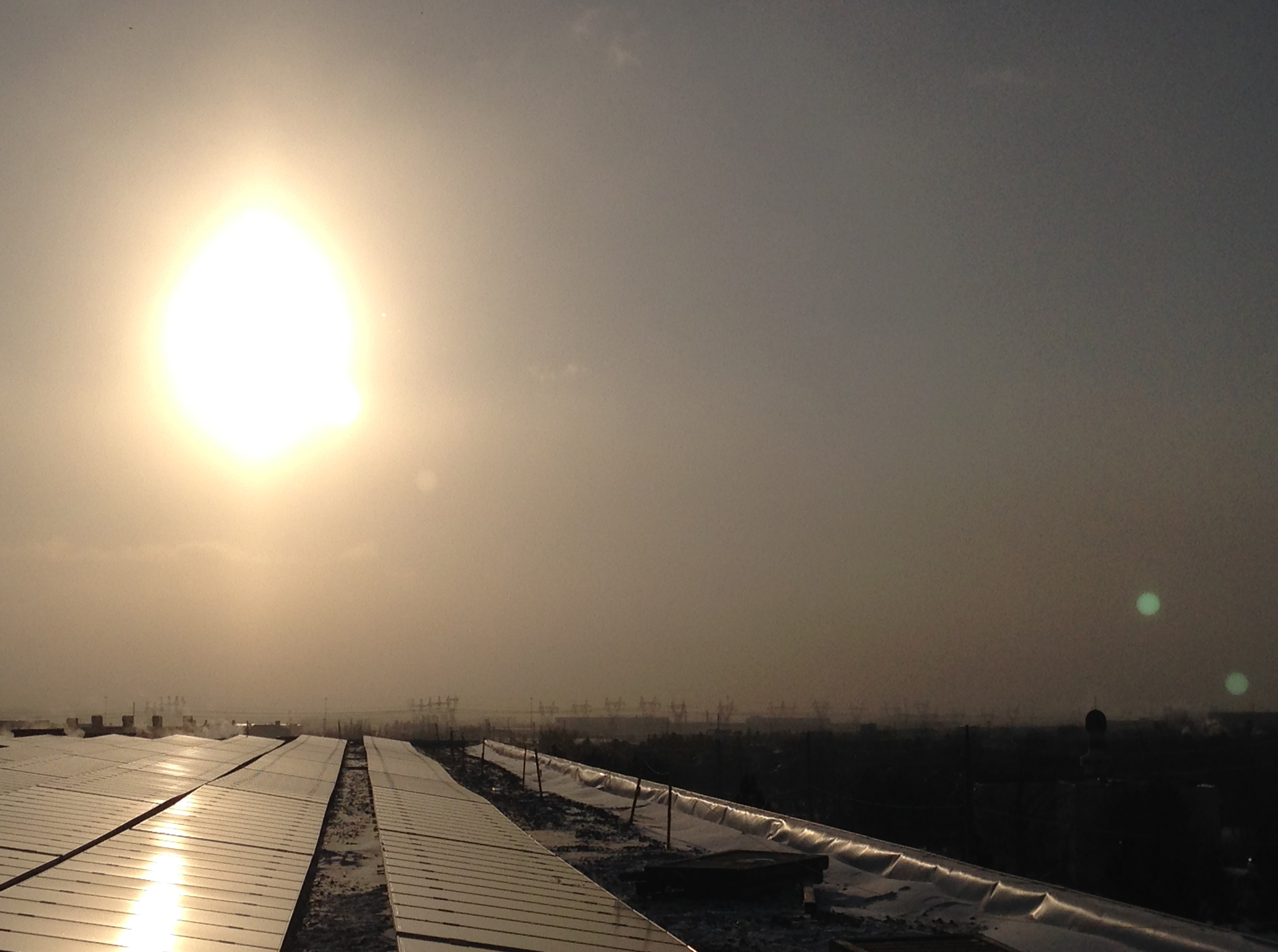
Brampton, Ontario January 2015
 tron carpenter