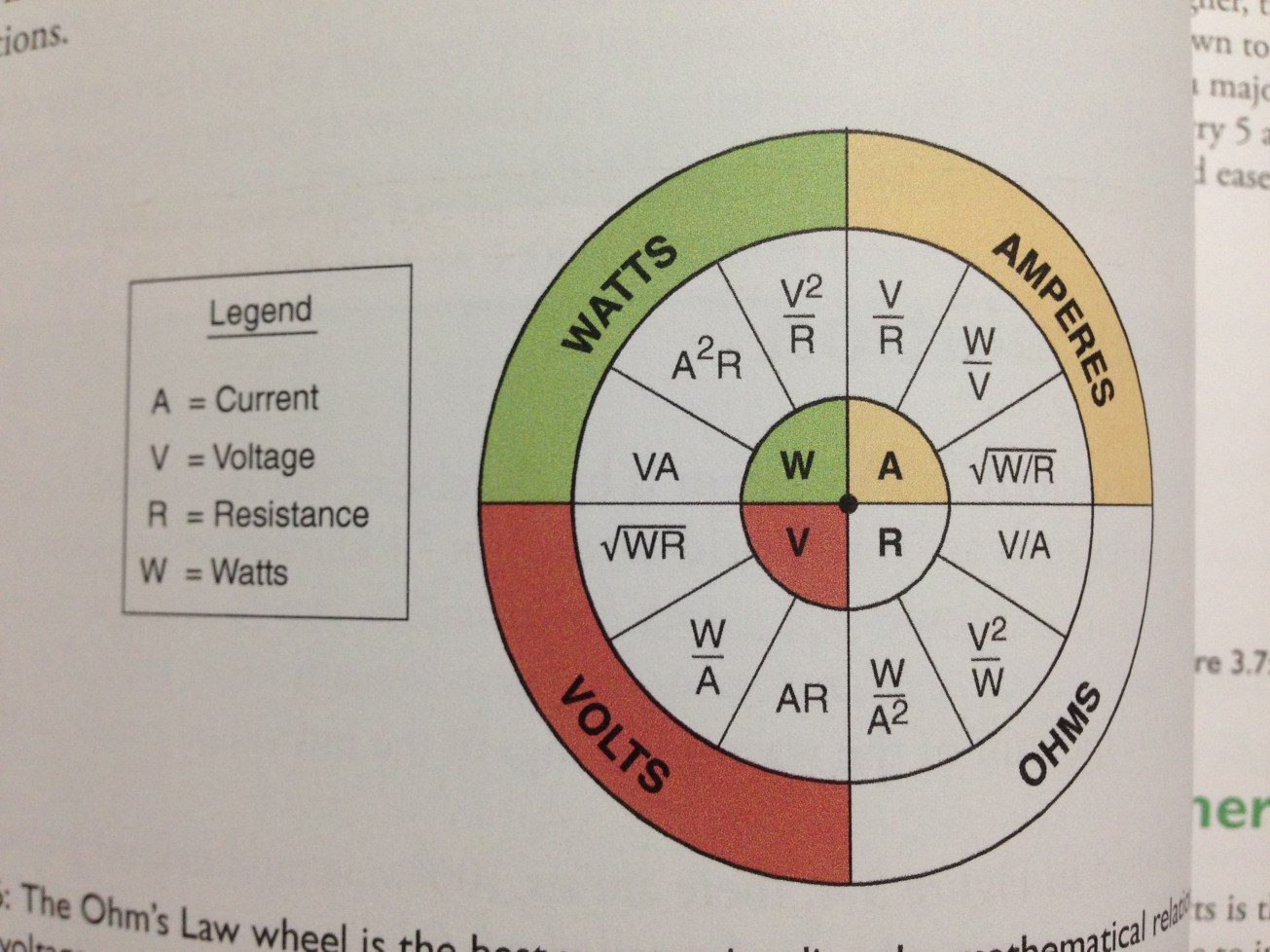
Ohm’s Wheel – excerpted from Solar Electric Handbook, Second Edition 2013
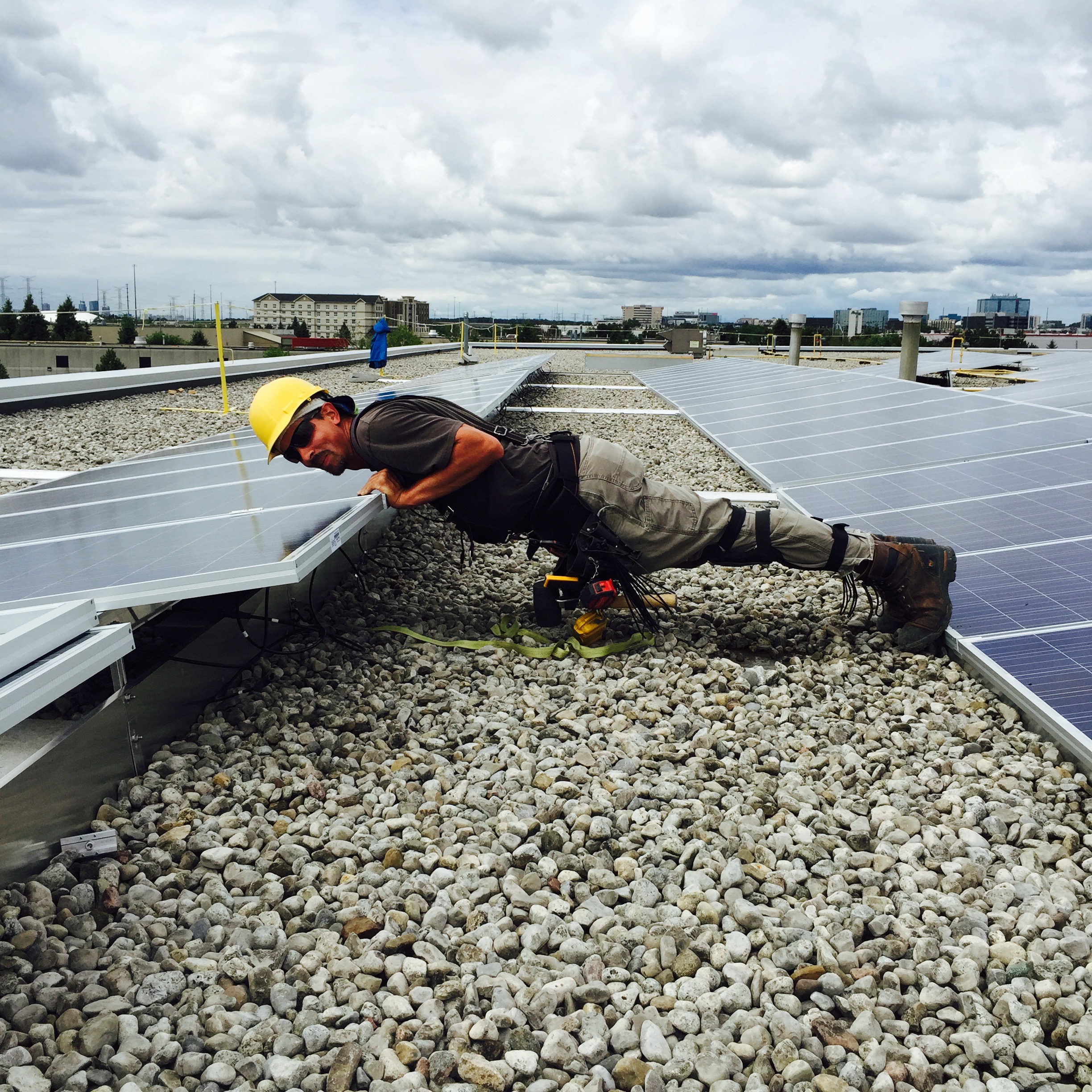
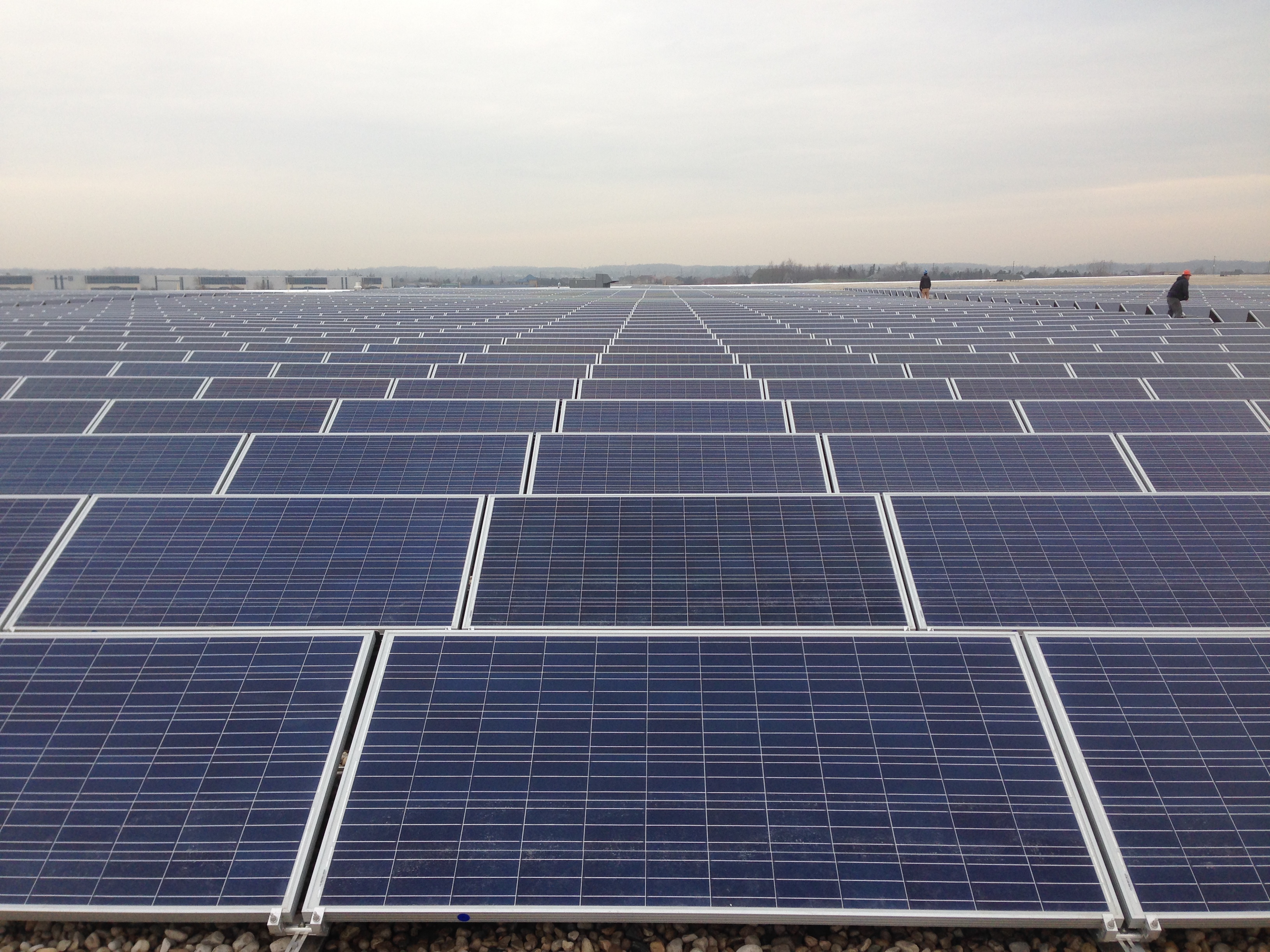
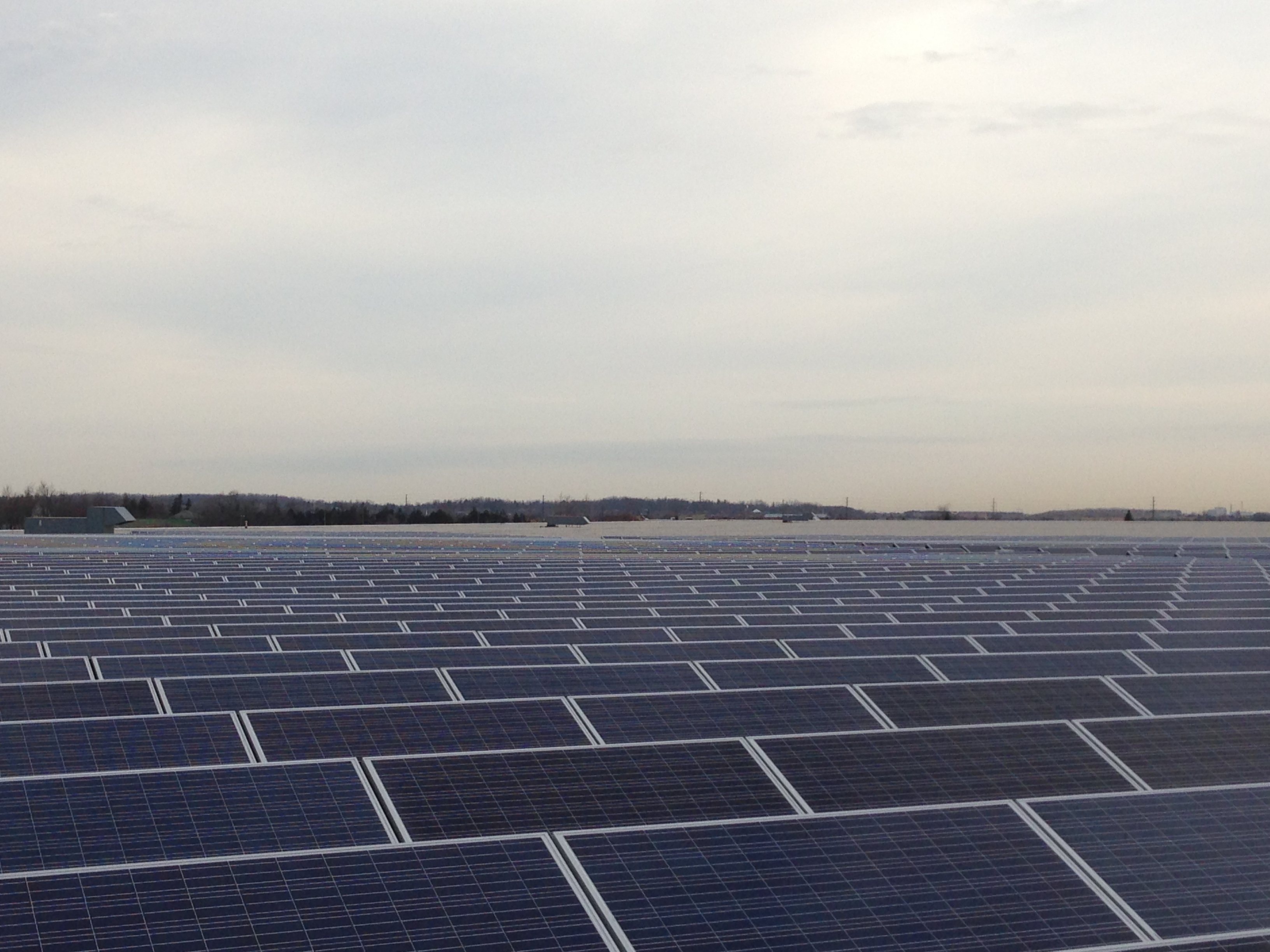
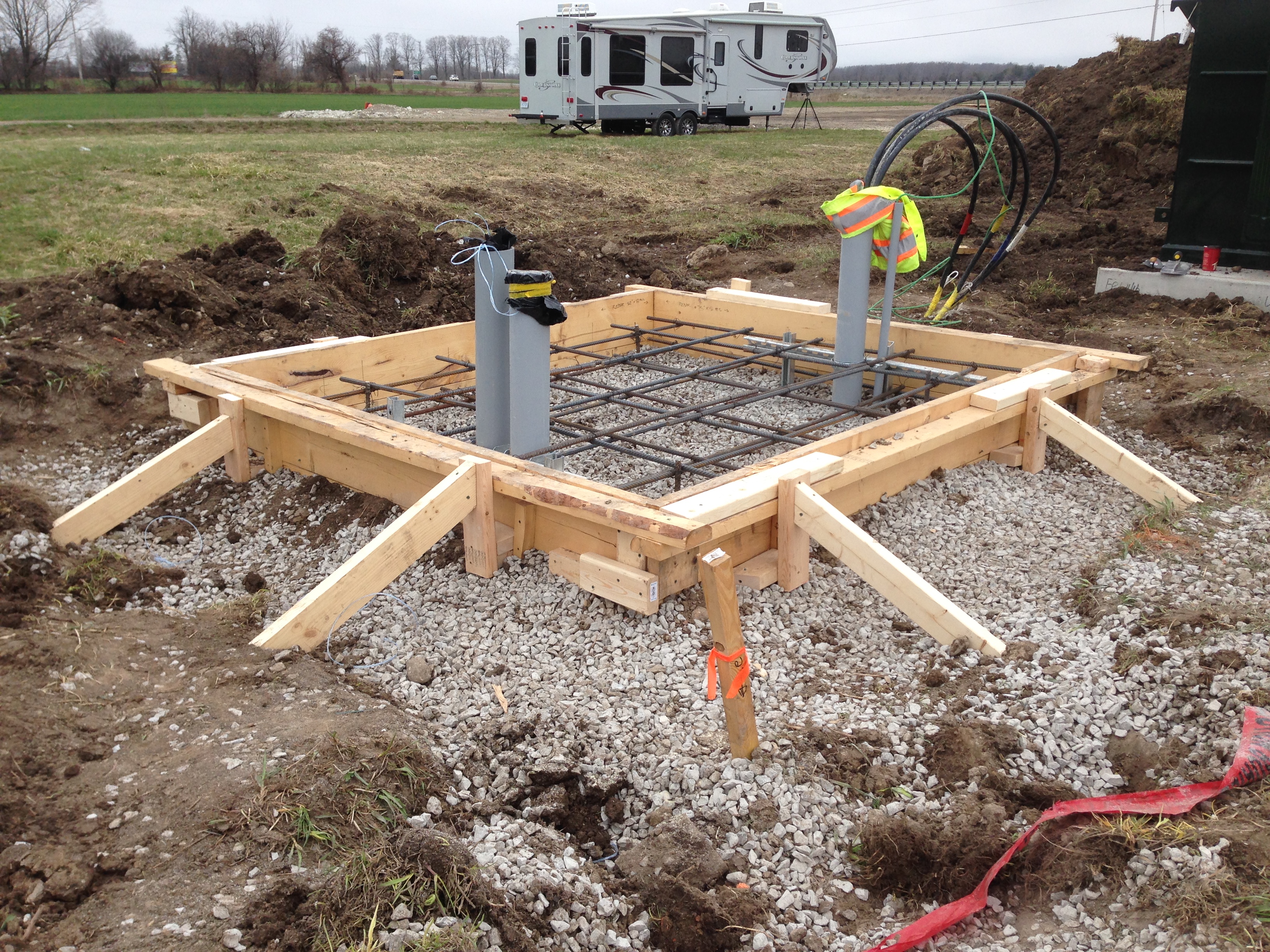
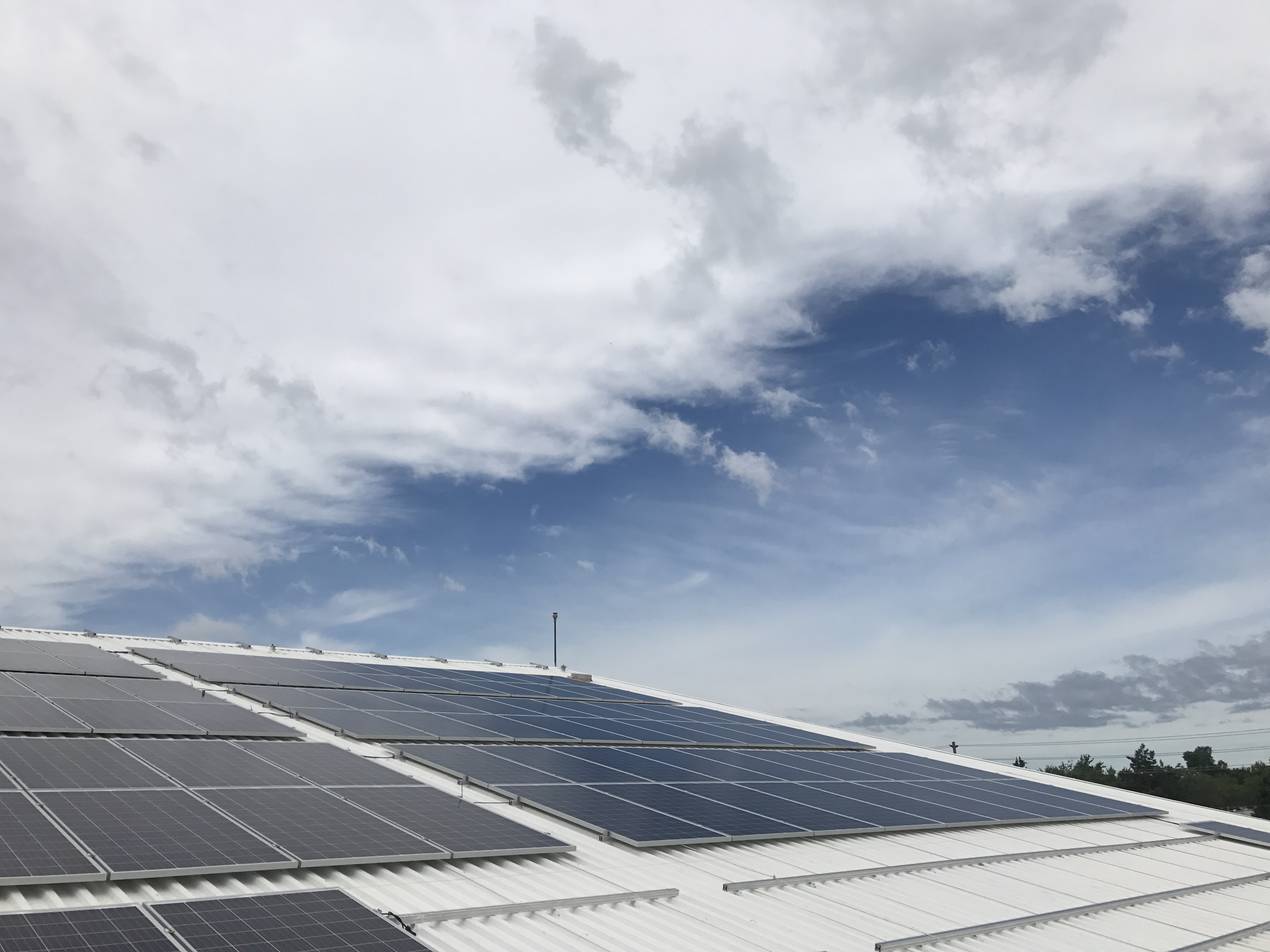
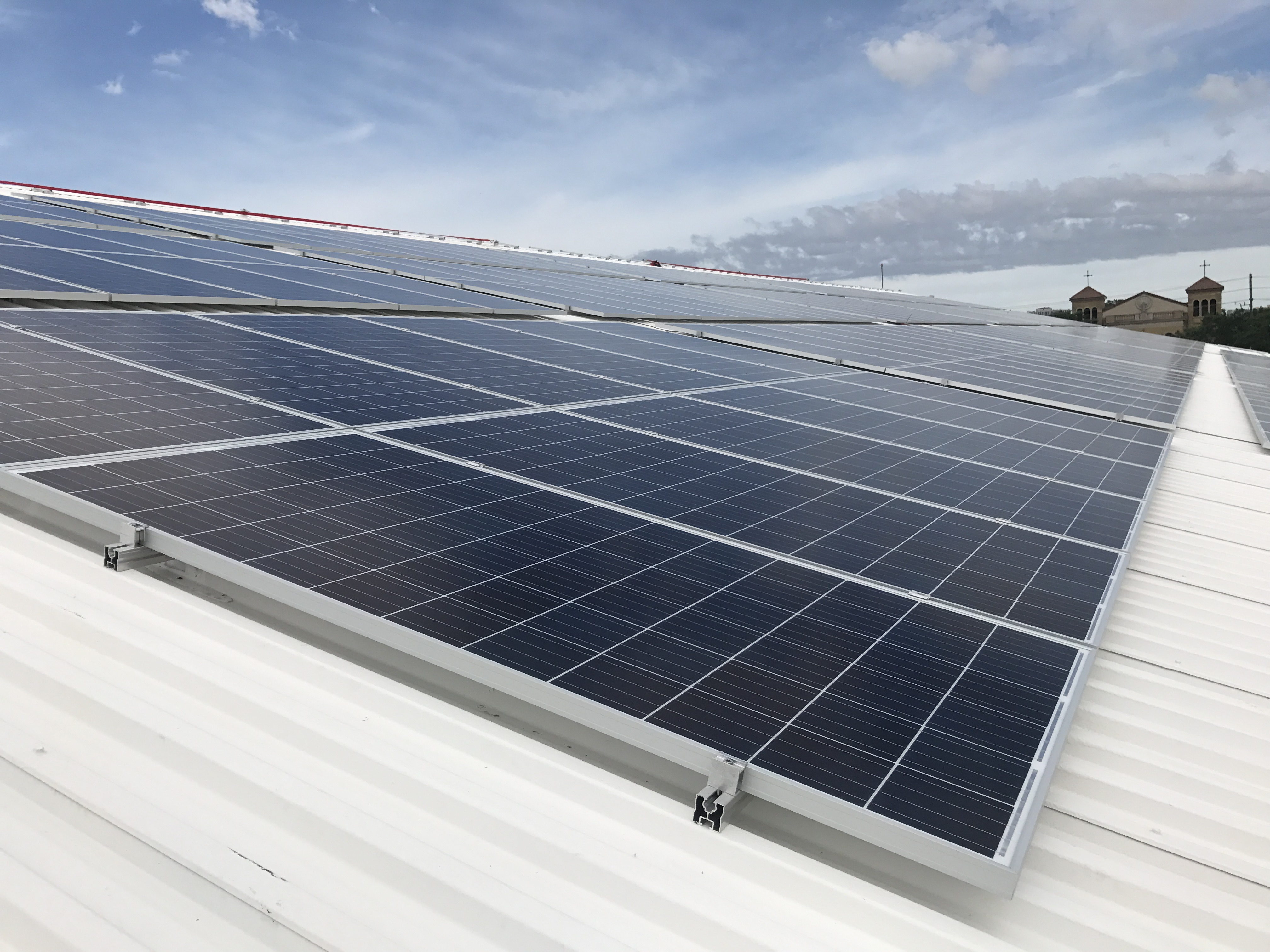
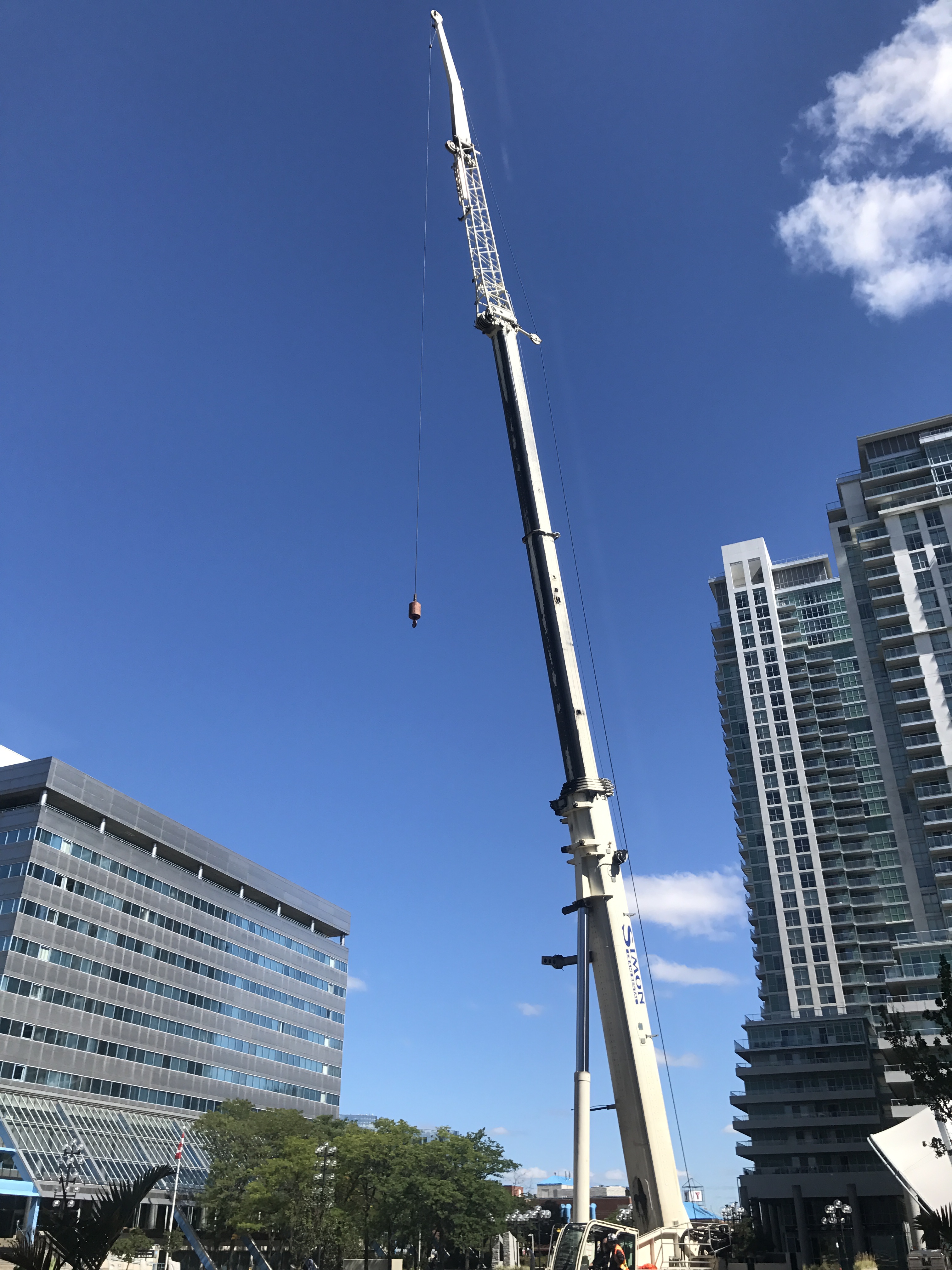
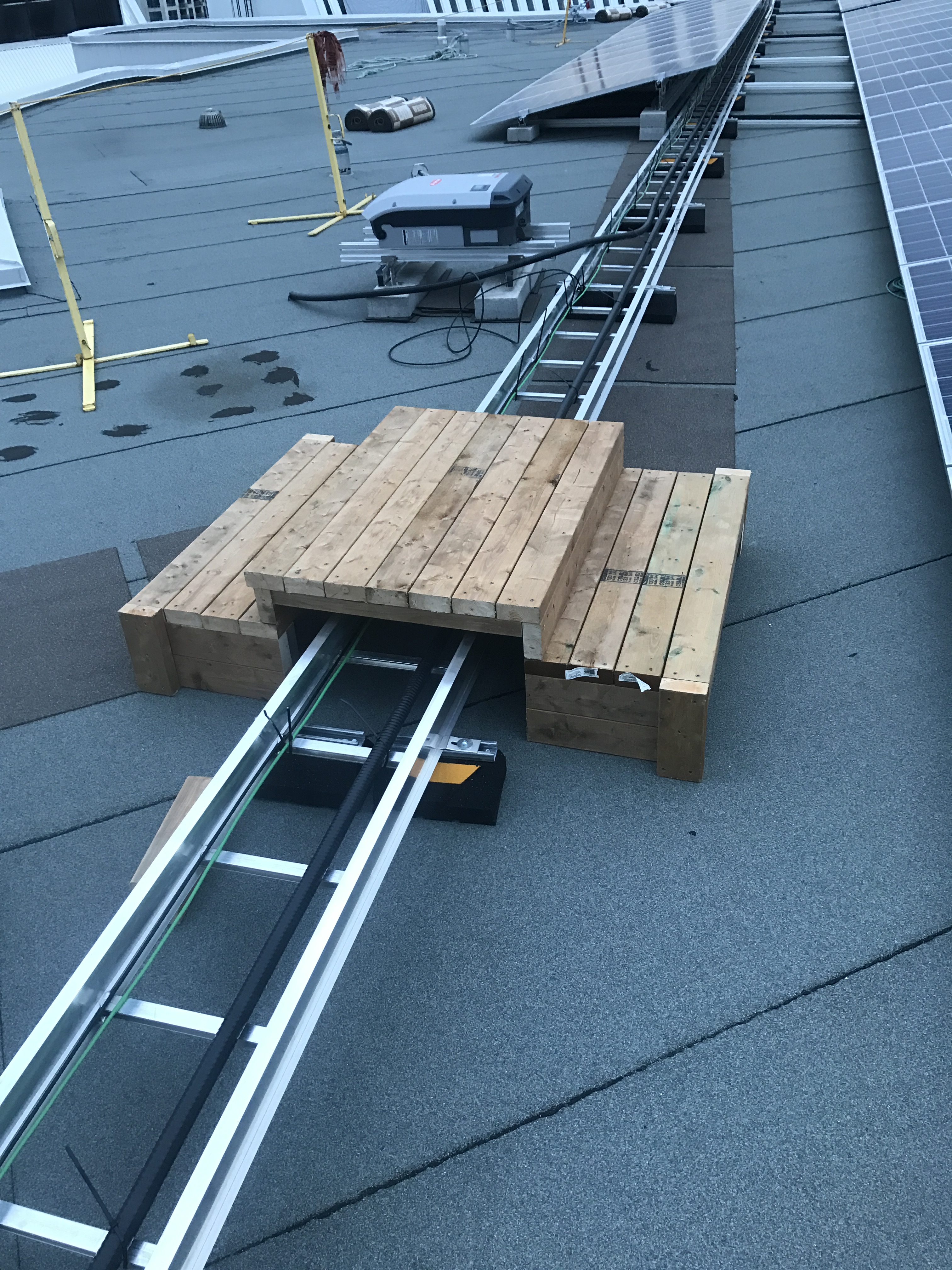
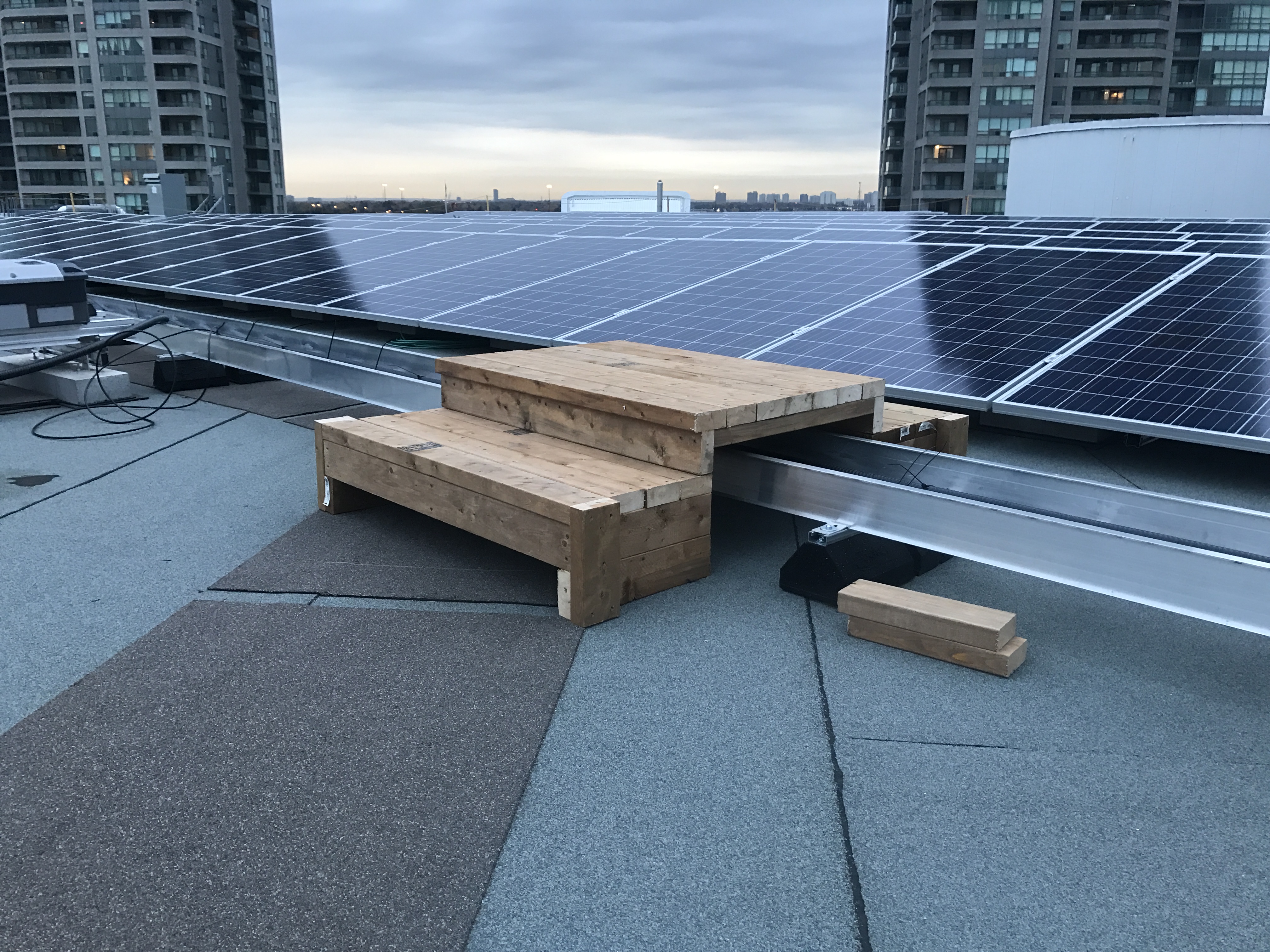
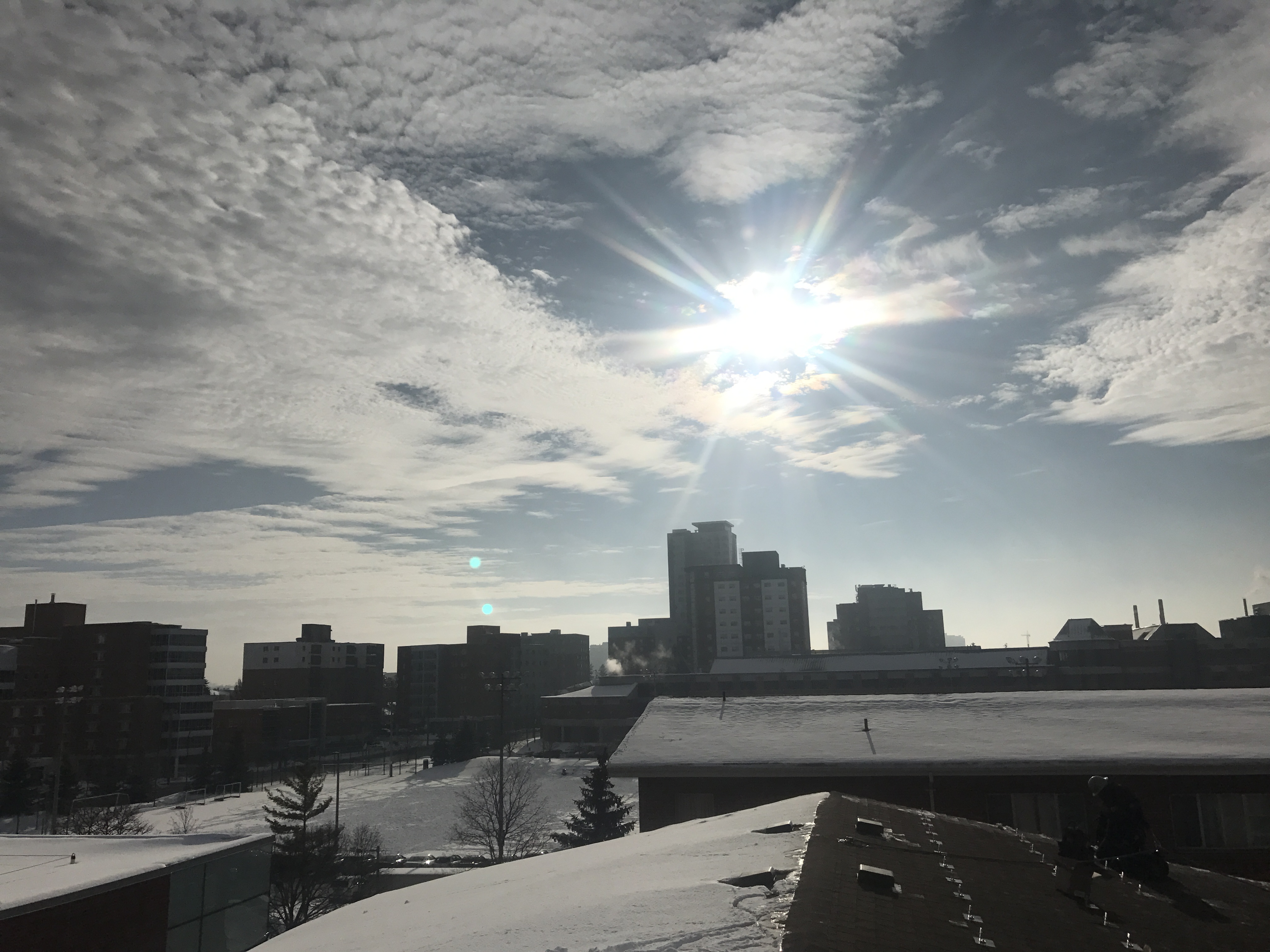
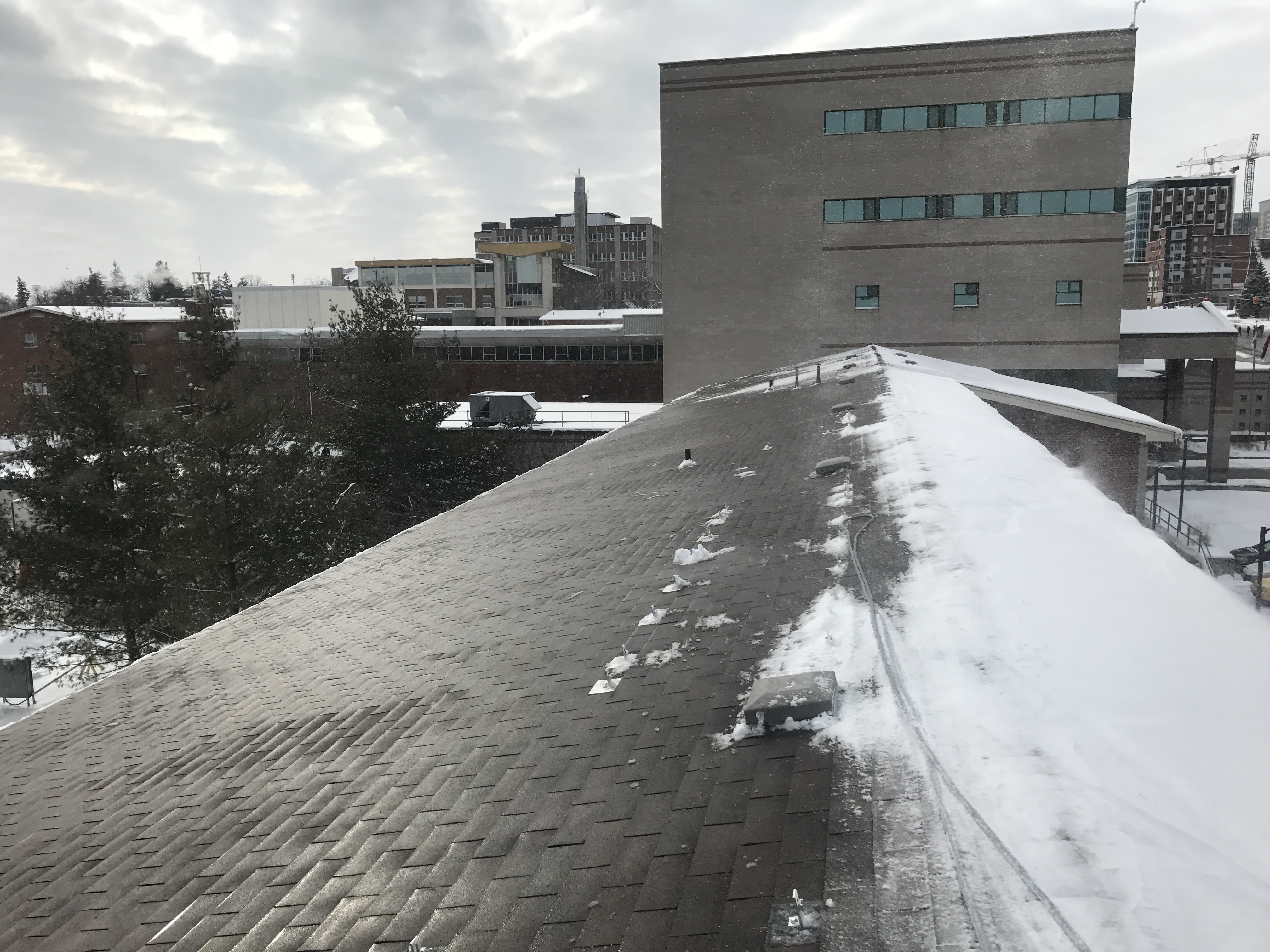
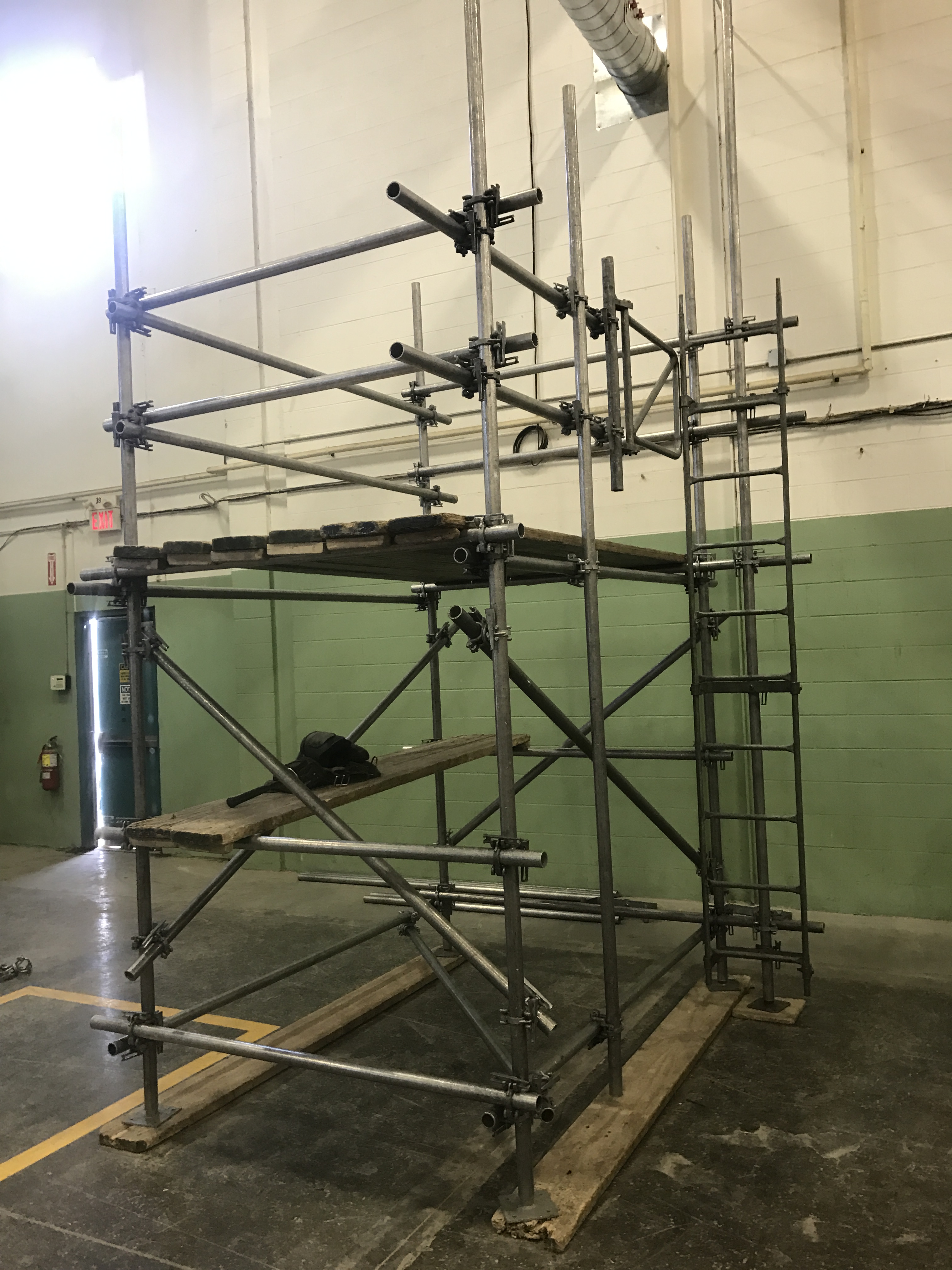
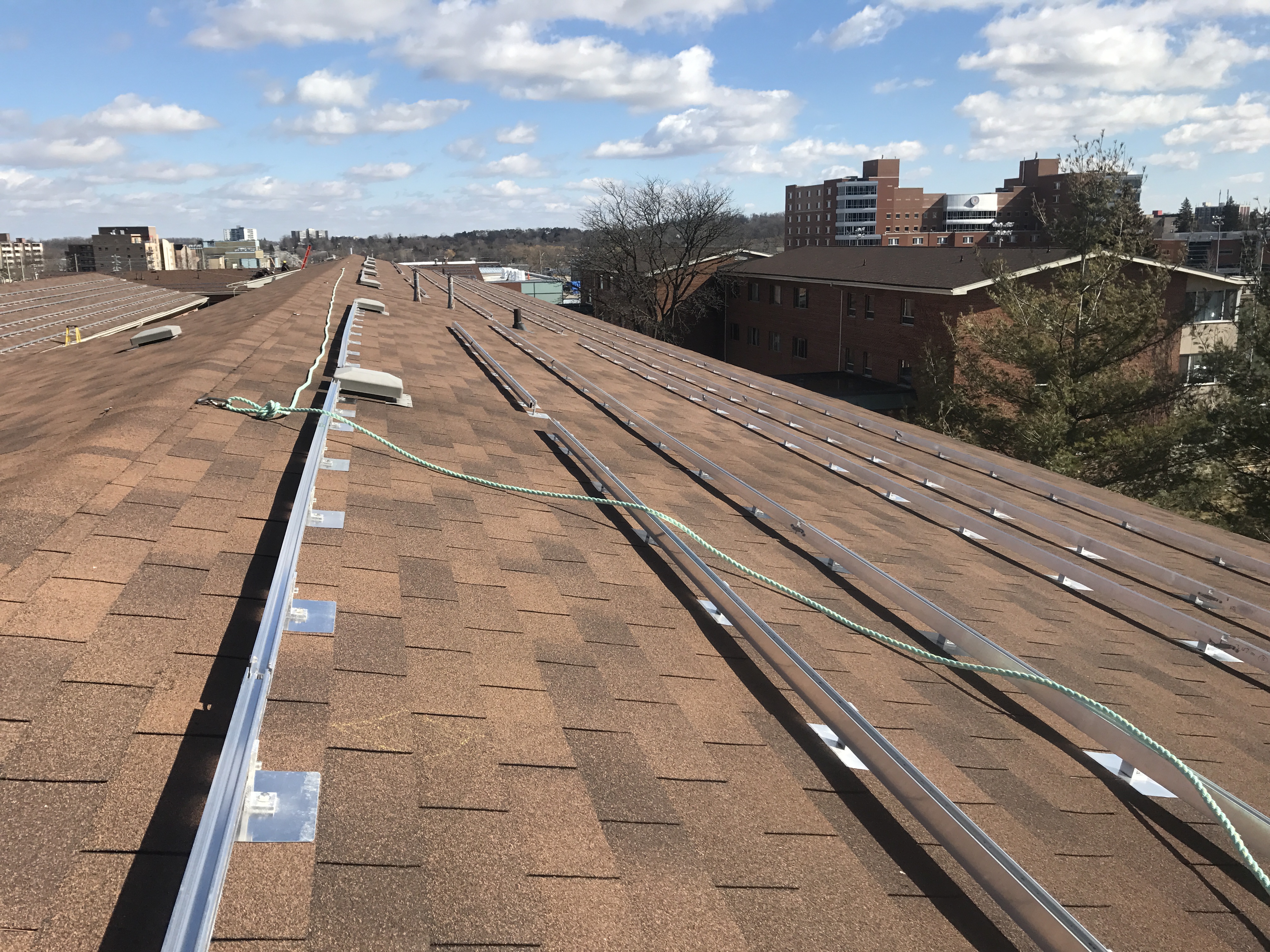
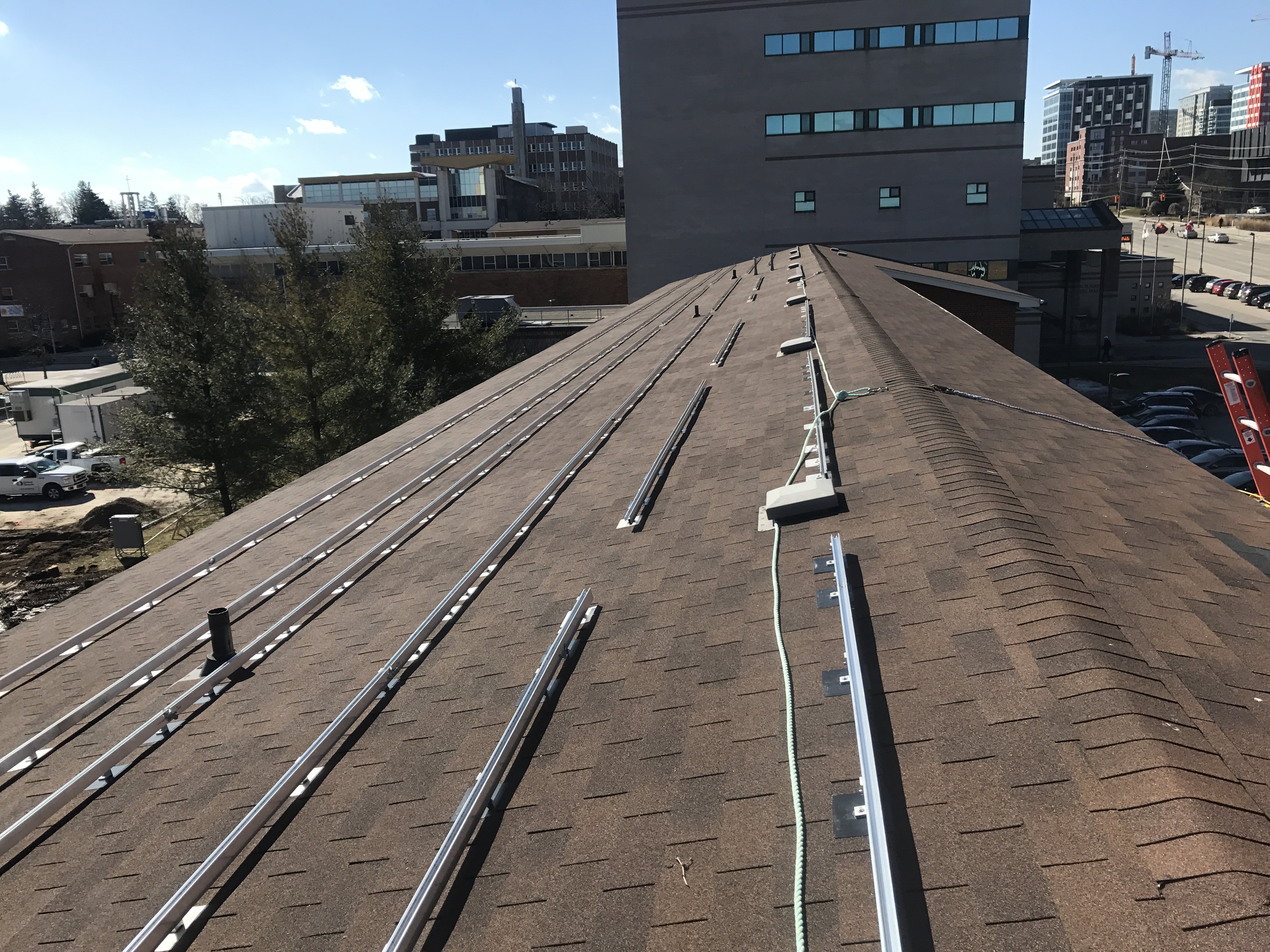
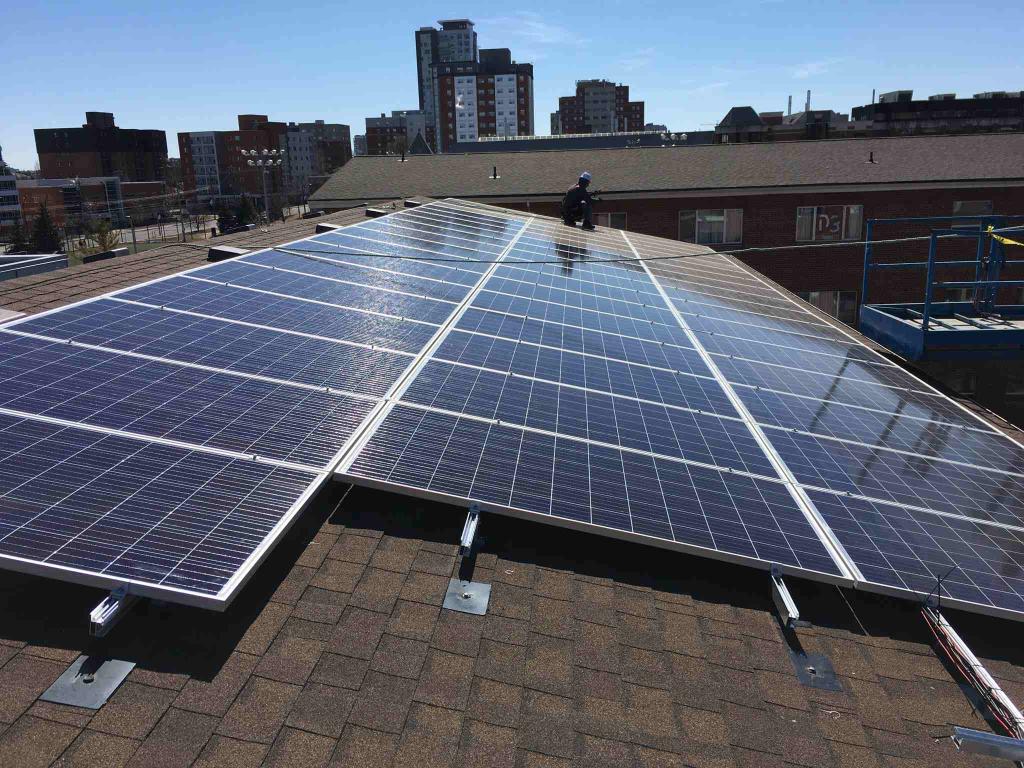
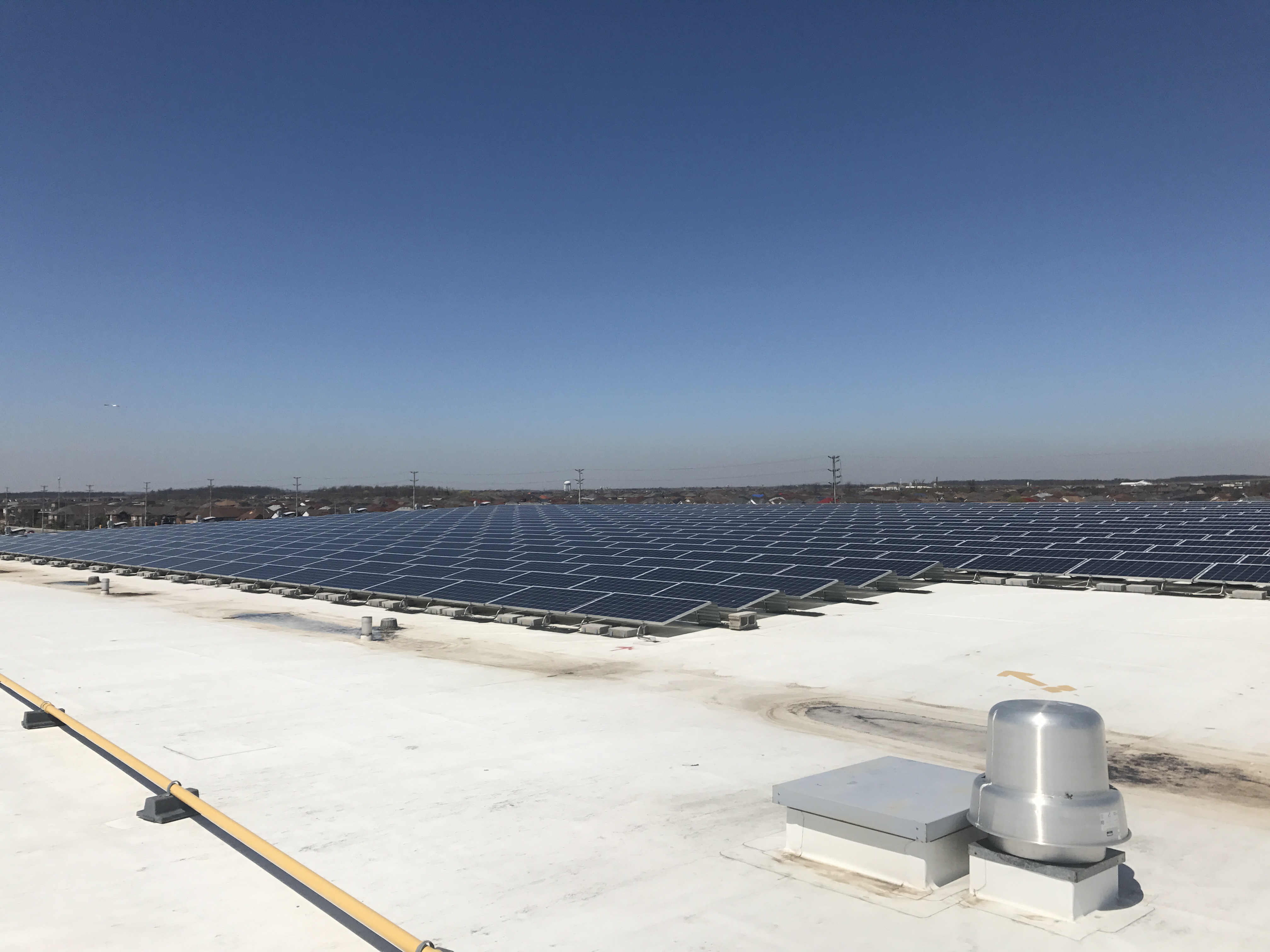
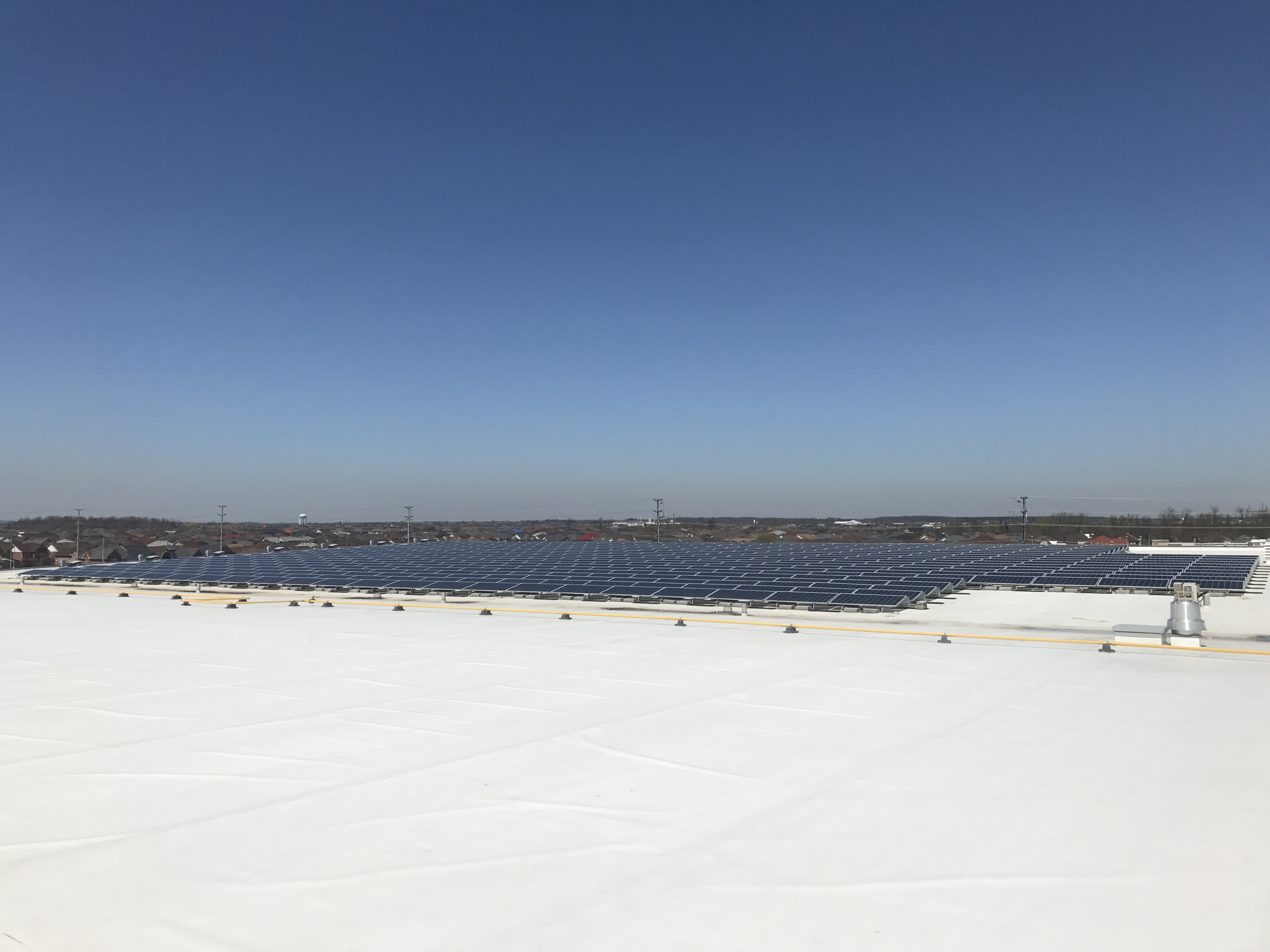
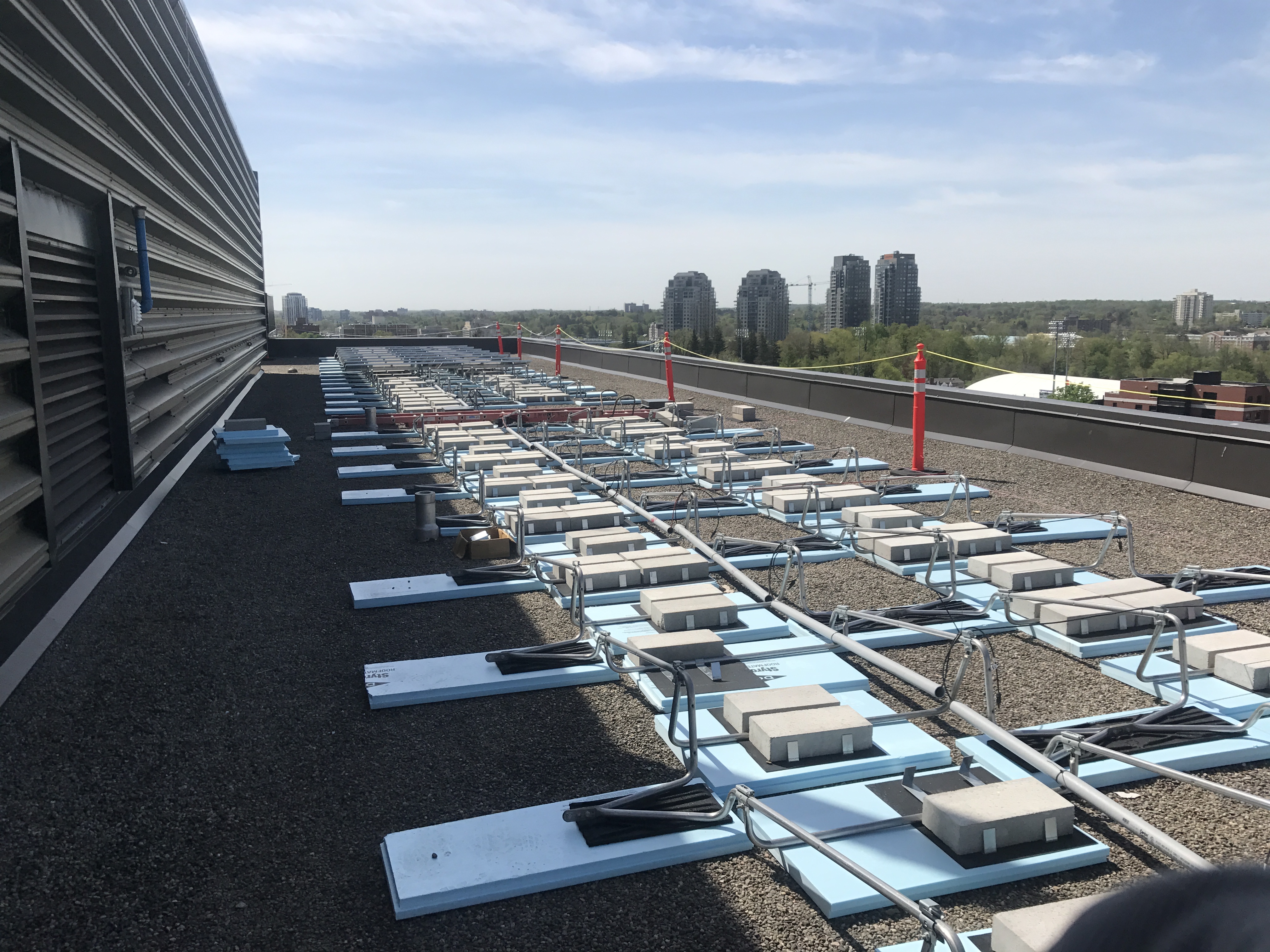
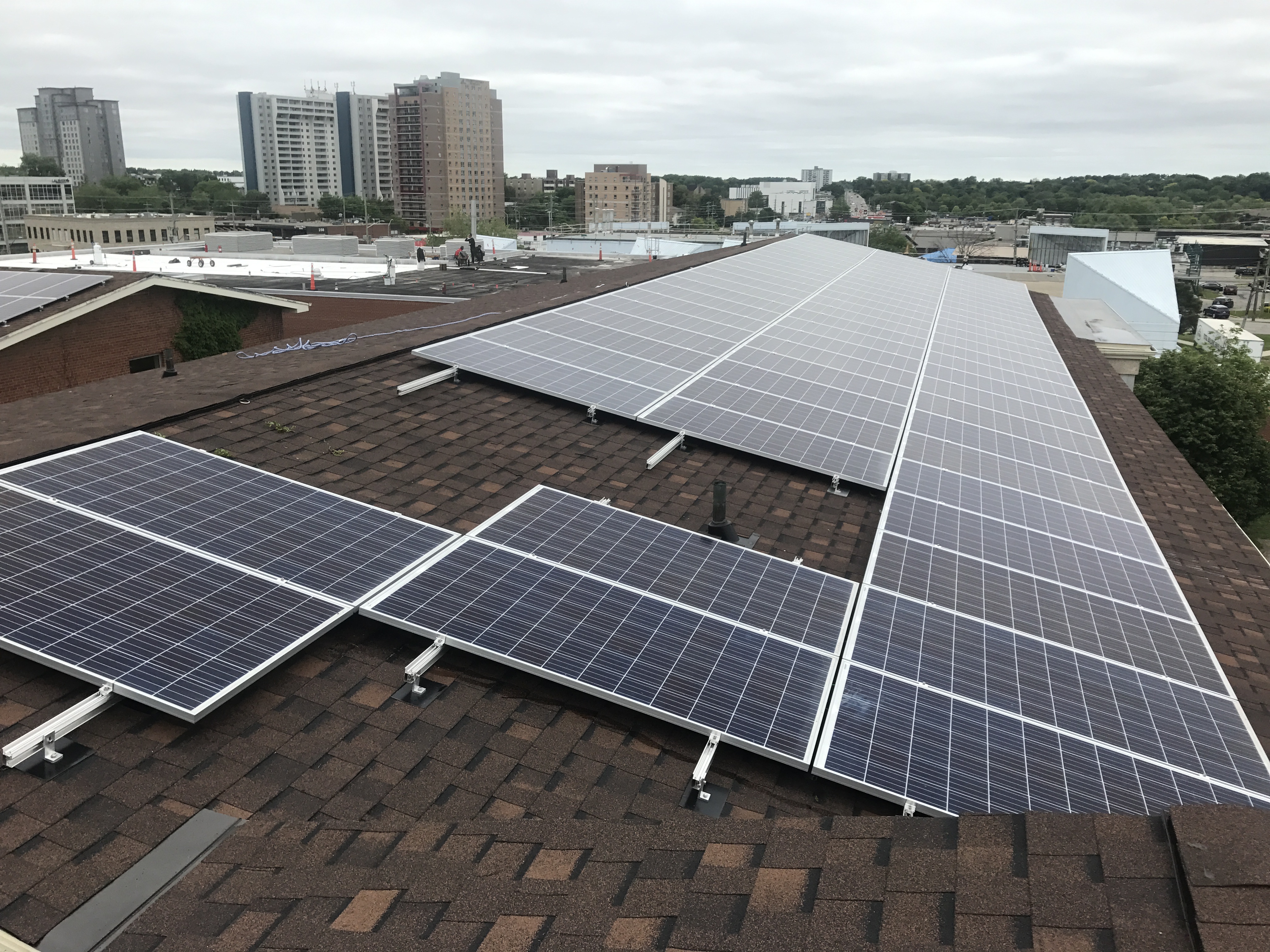
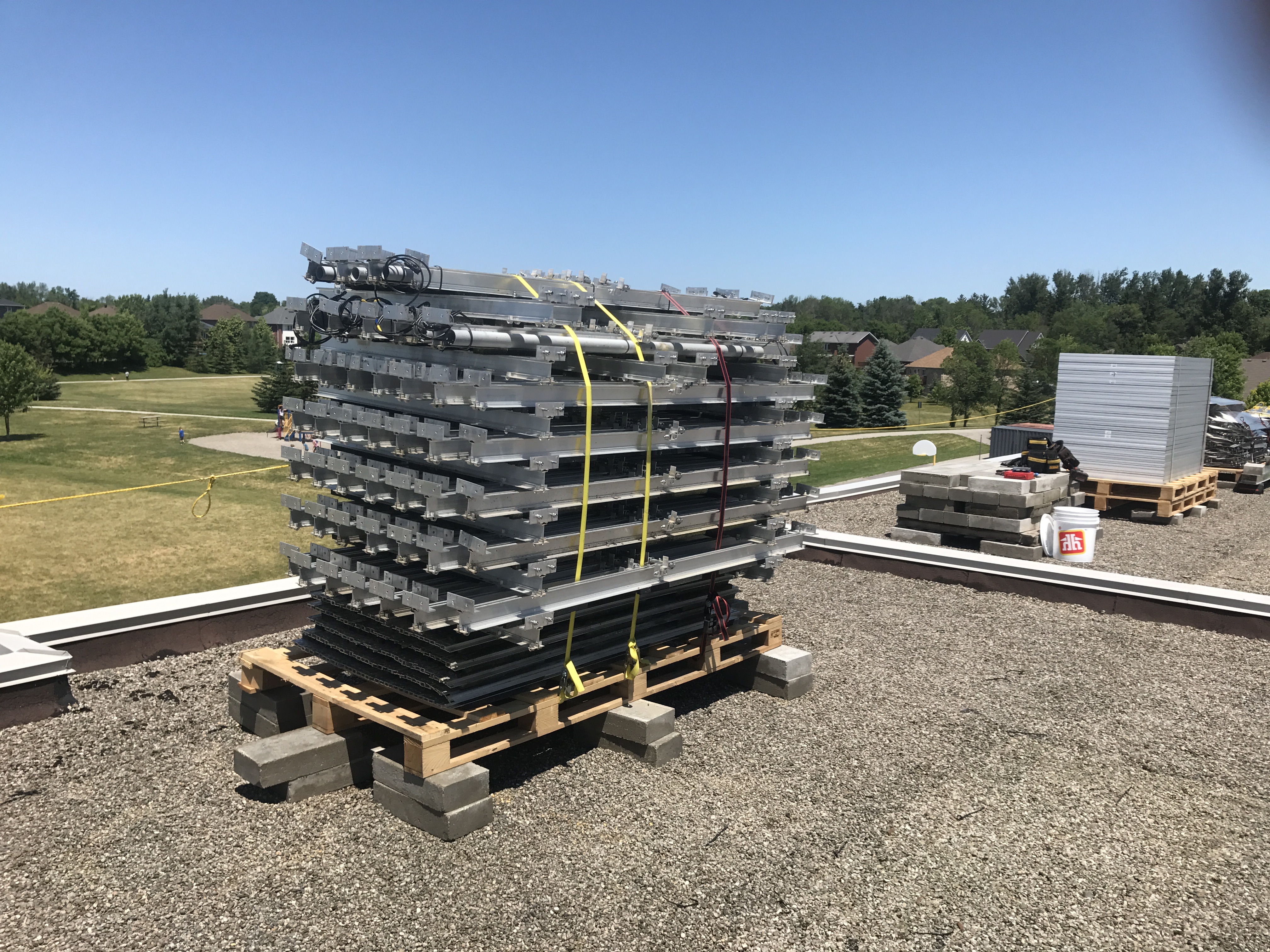
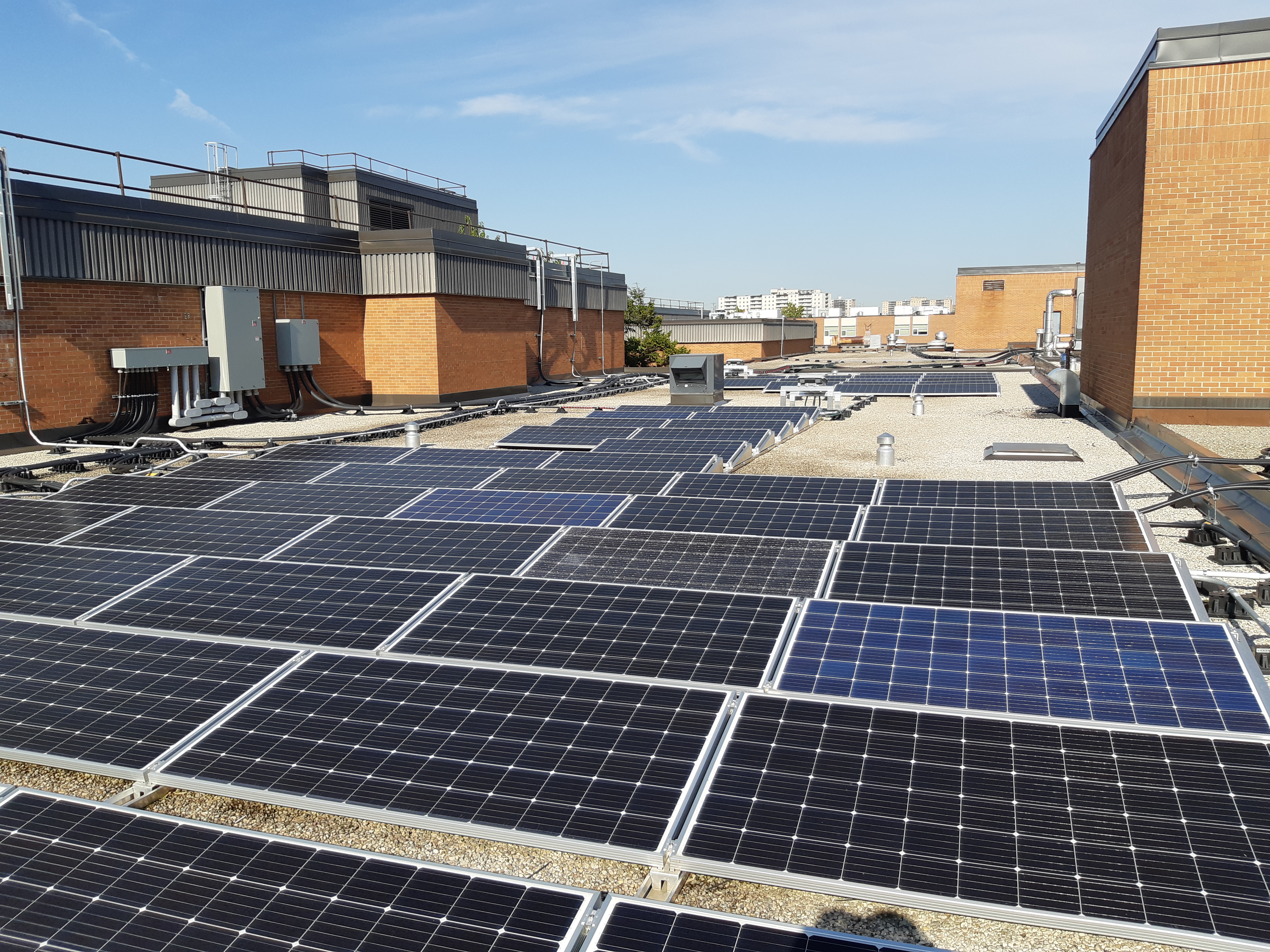
Photo-documentation of various fieldwork undertaken across Ontario from 2014 through 2018. Renewable energy projects I was involved in constructing were typically flush-mount and ballasted rooftop PV systems undertaken for commercial and institutional applications within the GTA and across Ontario. Carpenters became instrumental to Ontario’s nascent solar industry due to the requirement for workers having a well-practiced base of design interpretation, layout skills, mechanical assembly and health and safety awareness. Rooftop PV systems include flush-mount residential types and ballasted types for flat roofs. Each type of installation poses its own type of unique hazard profile due to the constraints imposed by the retrofitted quality of rooftop PV. Systems are typically enmeshed with existing rooftop equipment so a carpenter may be involved in accessing difficult-to-access locations (fitting D-hooks into ridgeboard for fall protection) erecting scaffold (permitting large crews to access roof areas for months at a time) in addition to completing concrete formwork for balance-of-system components.
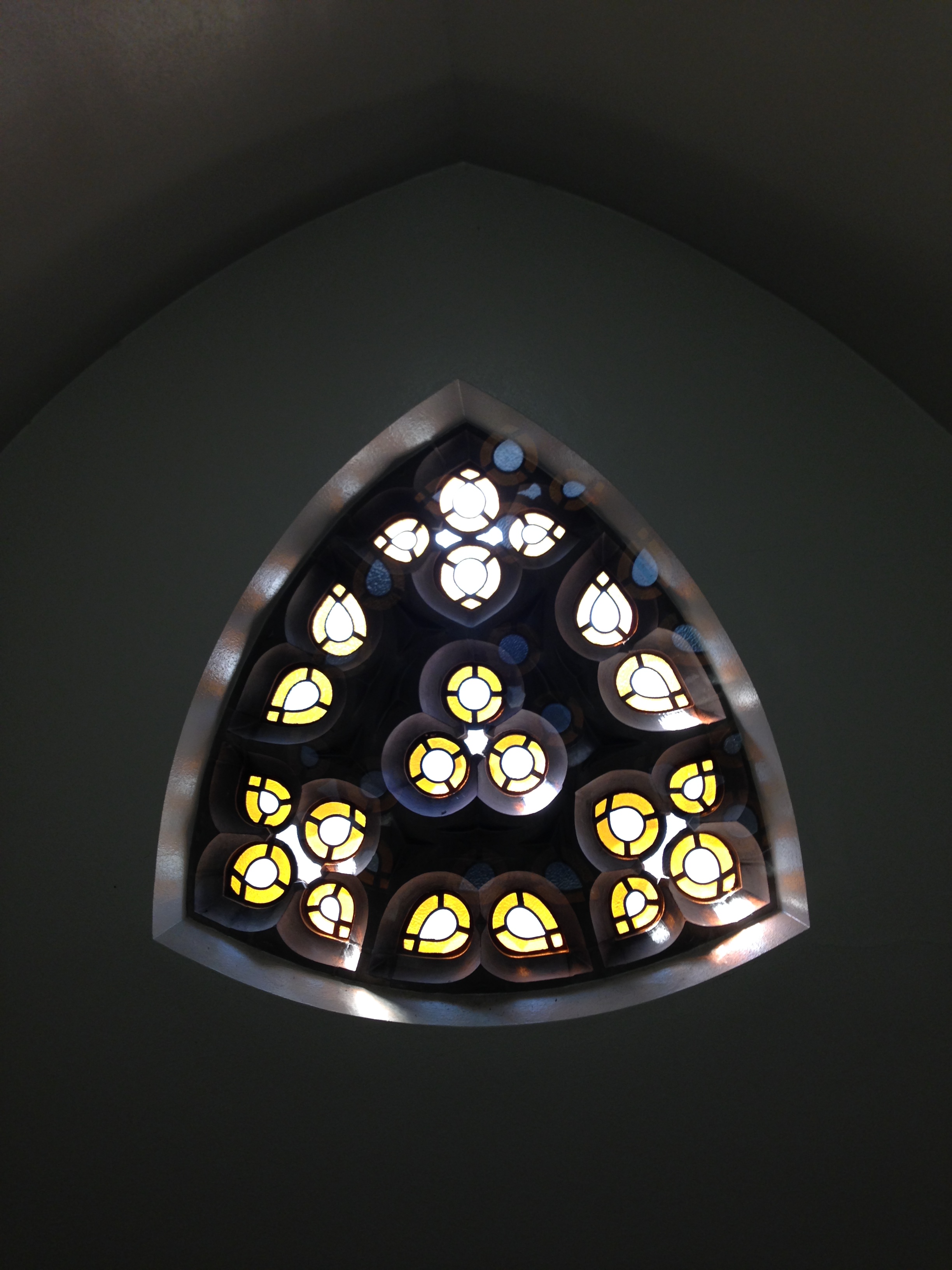
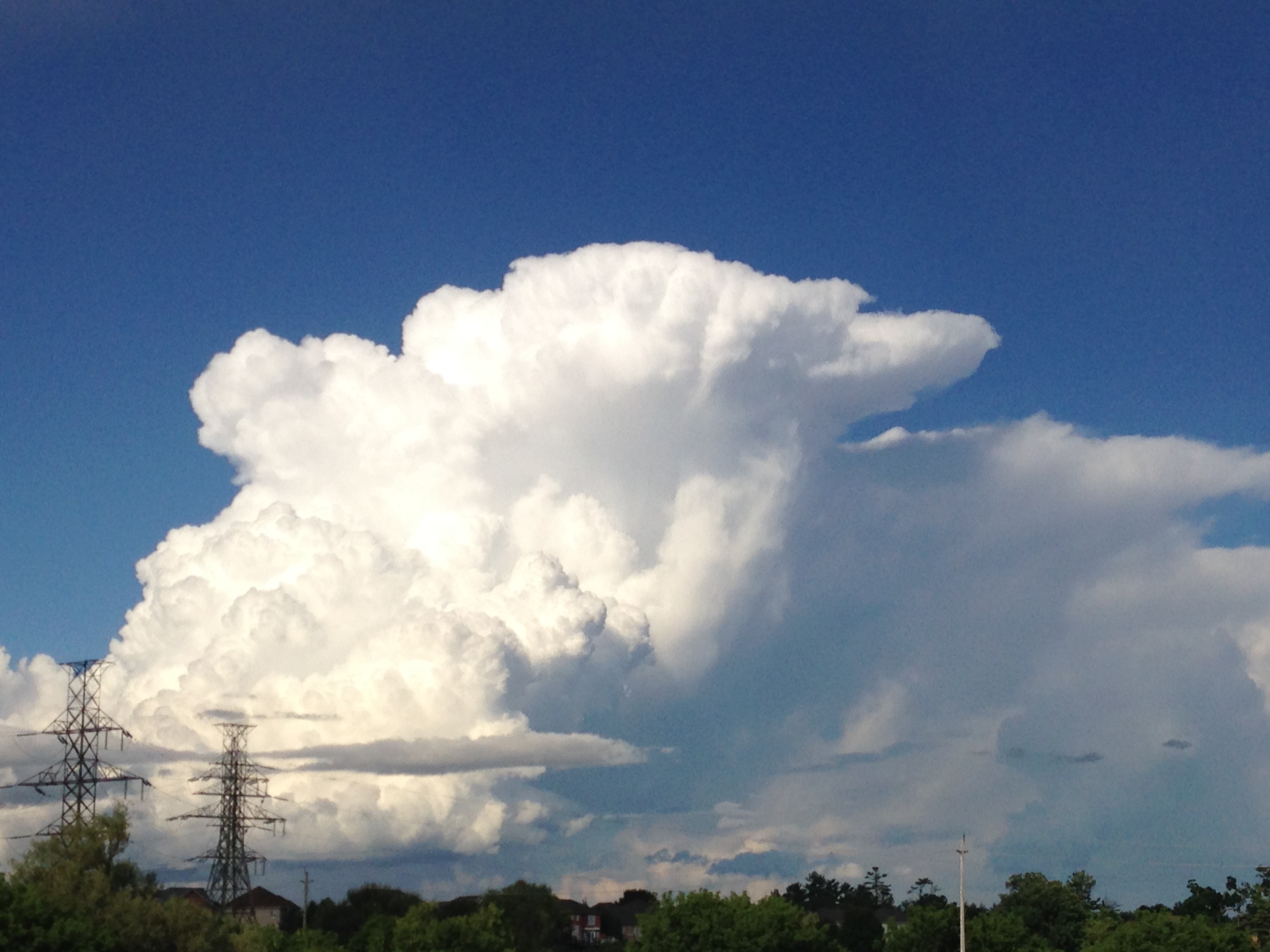
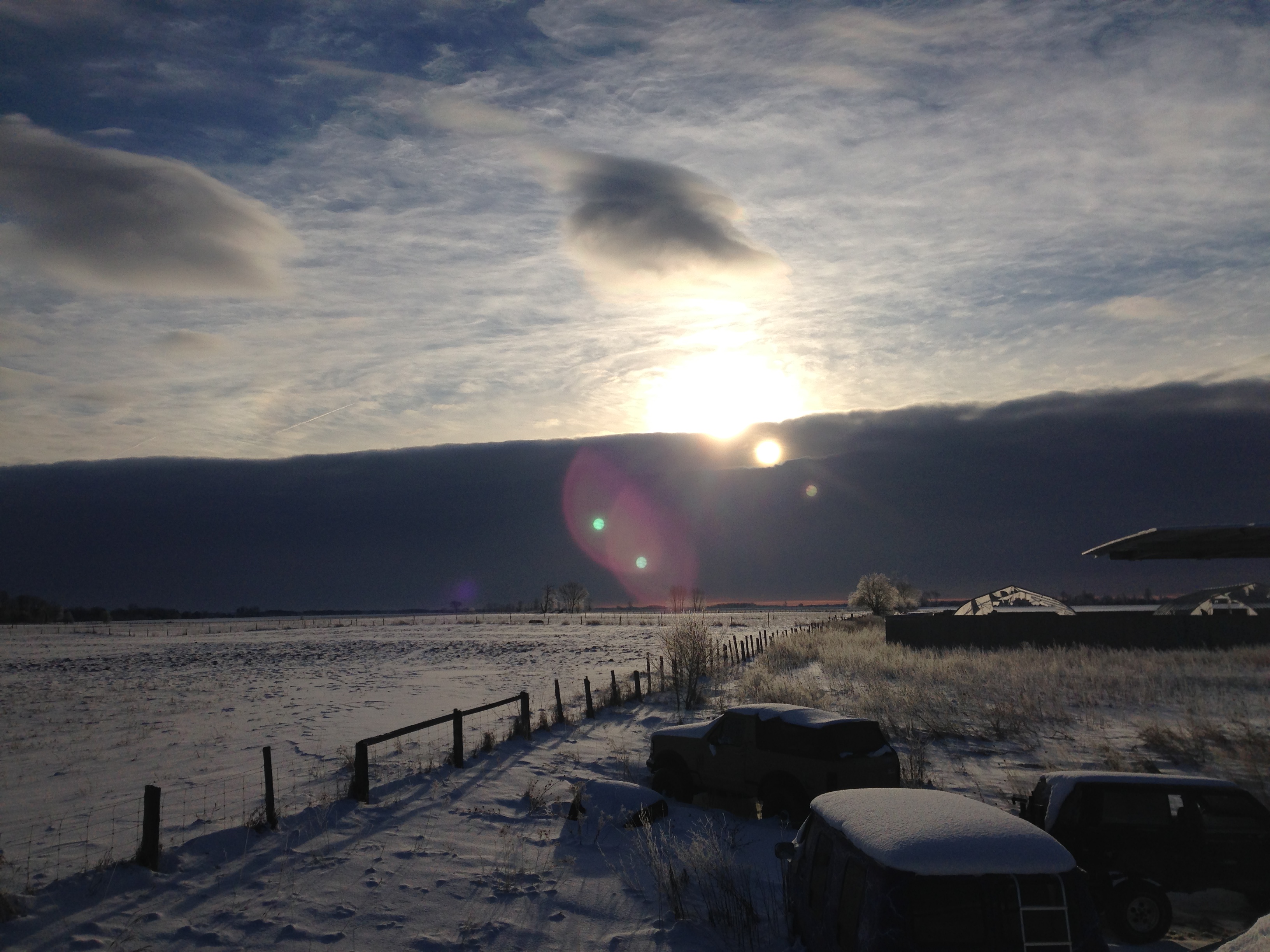
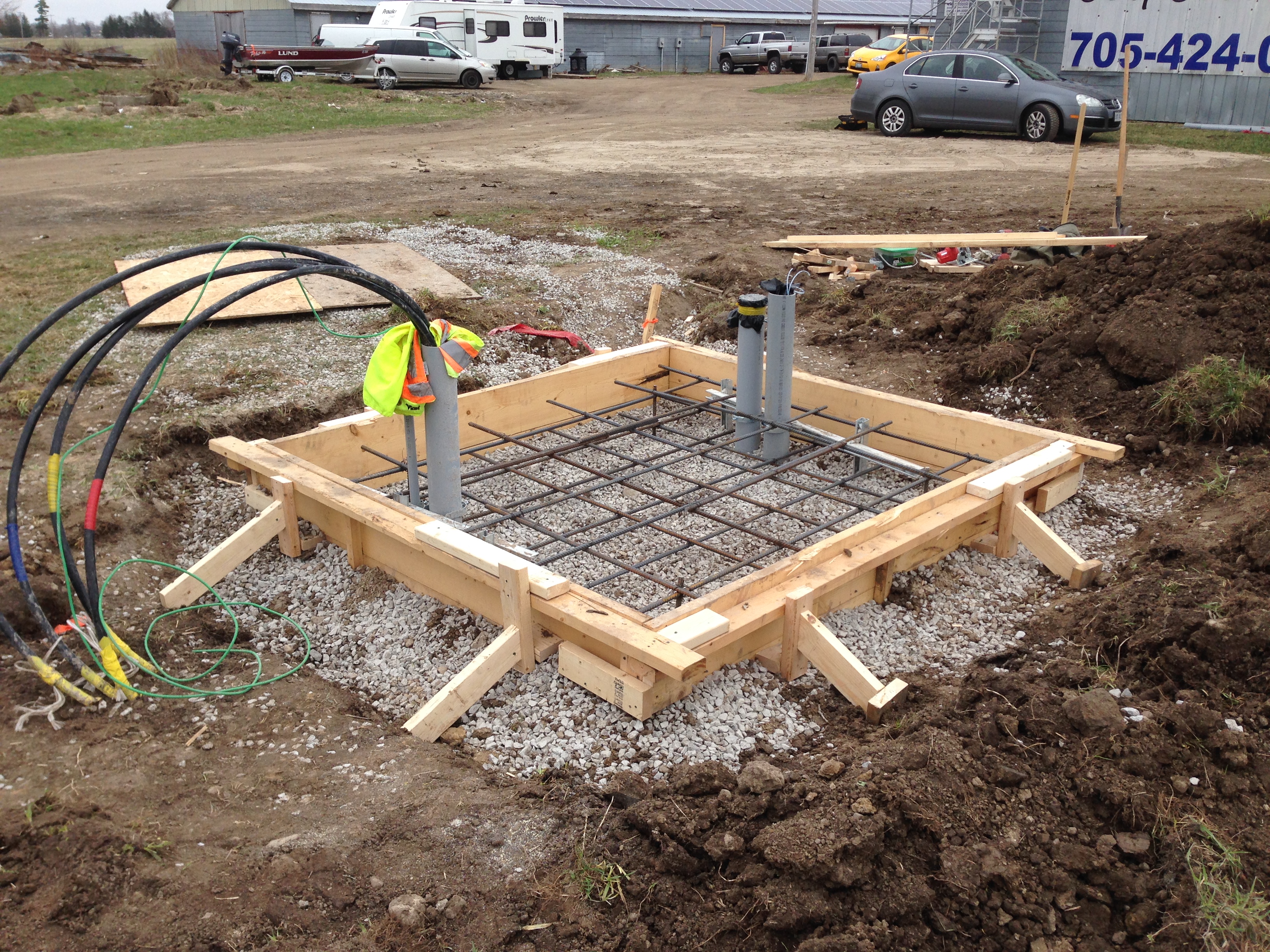
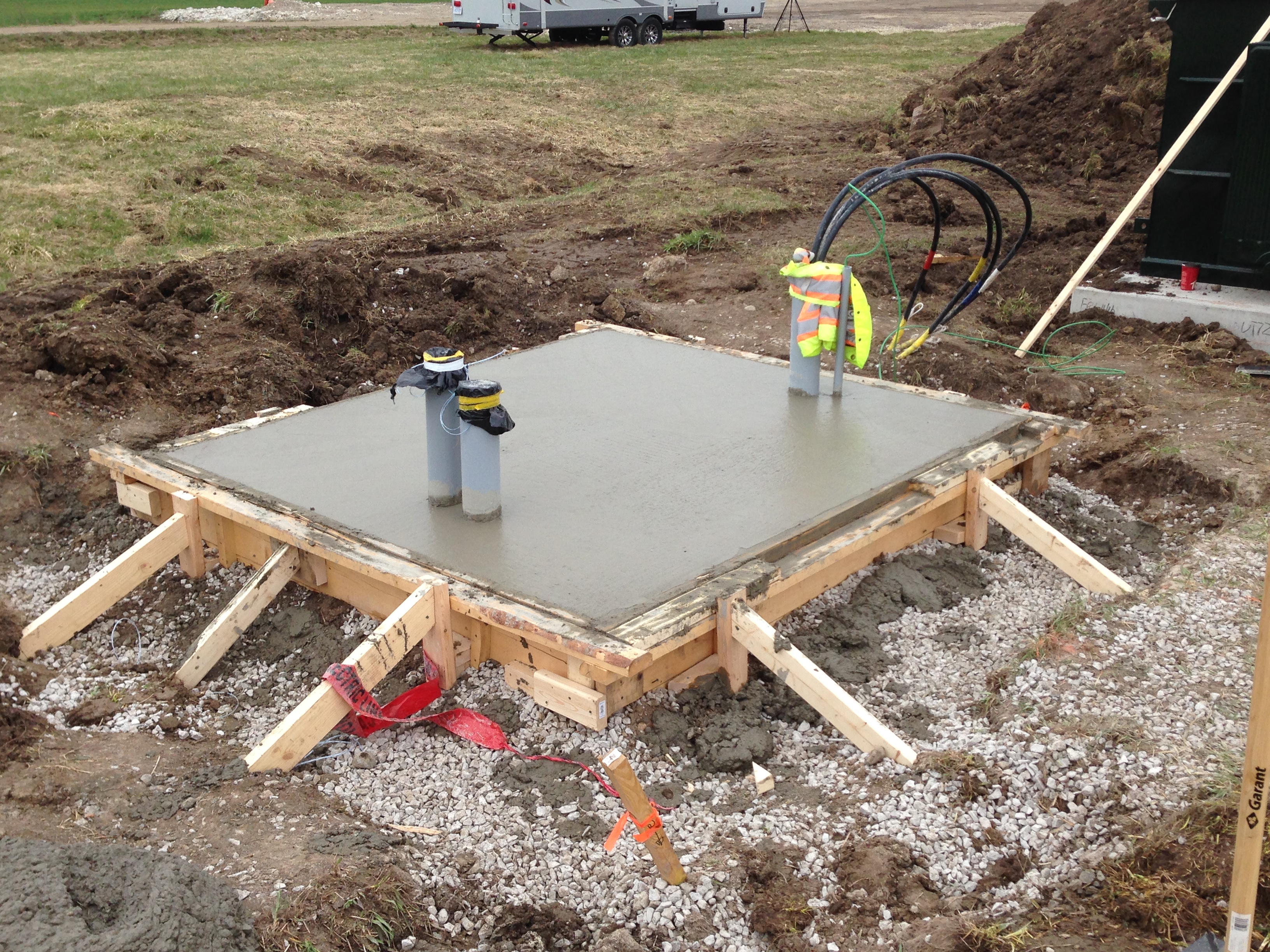
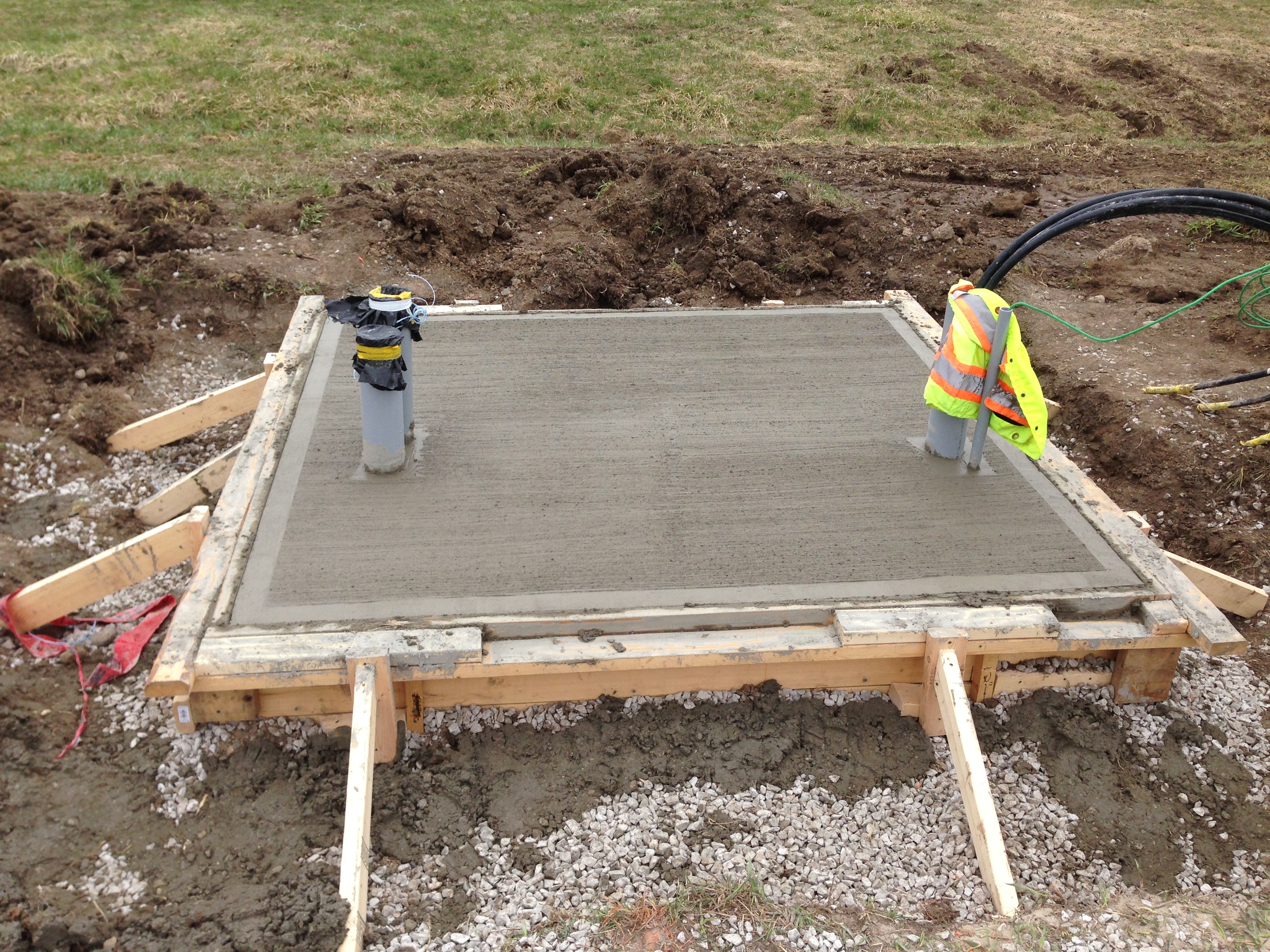
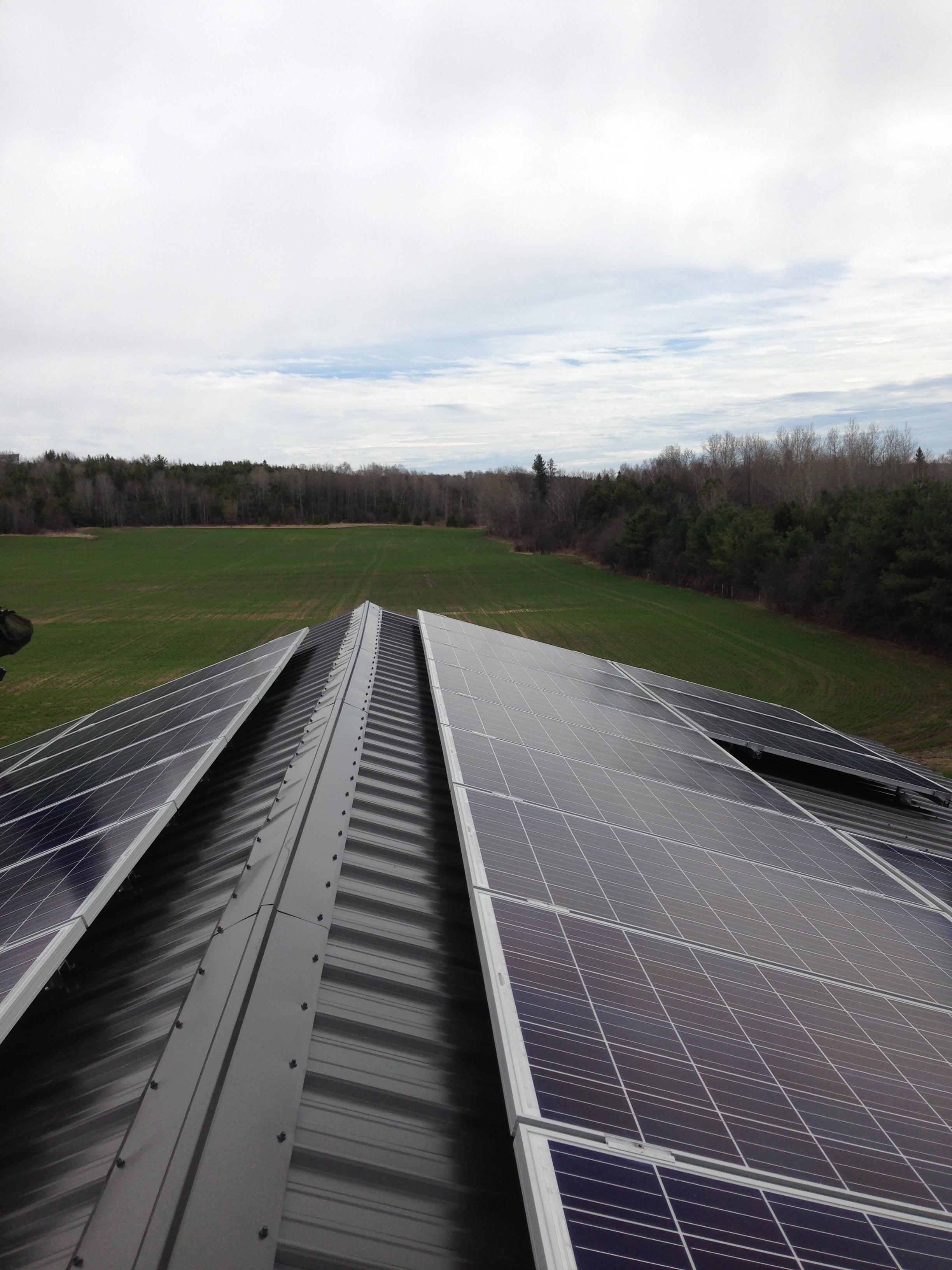
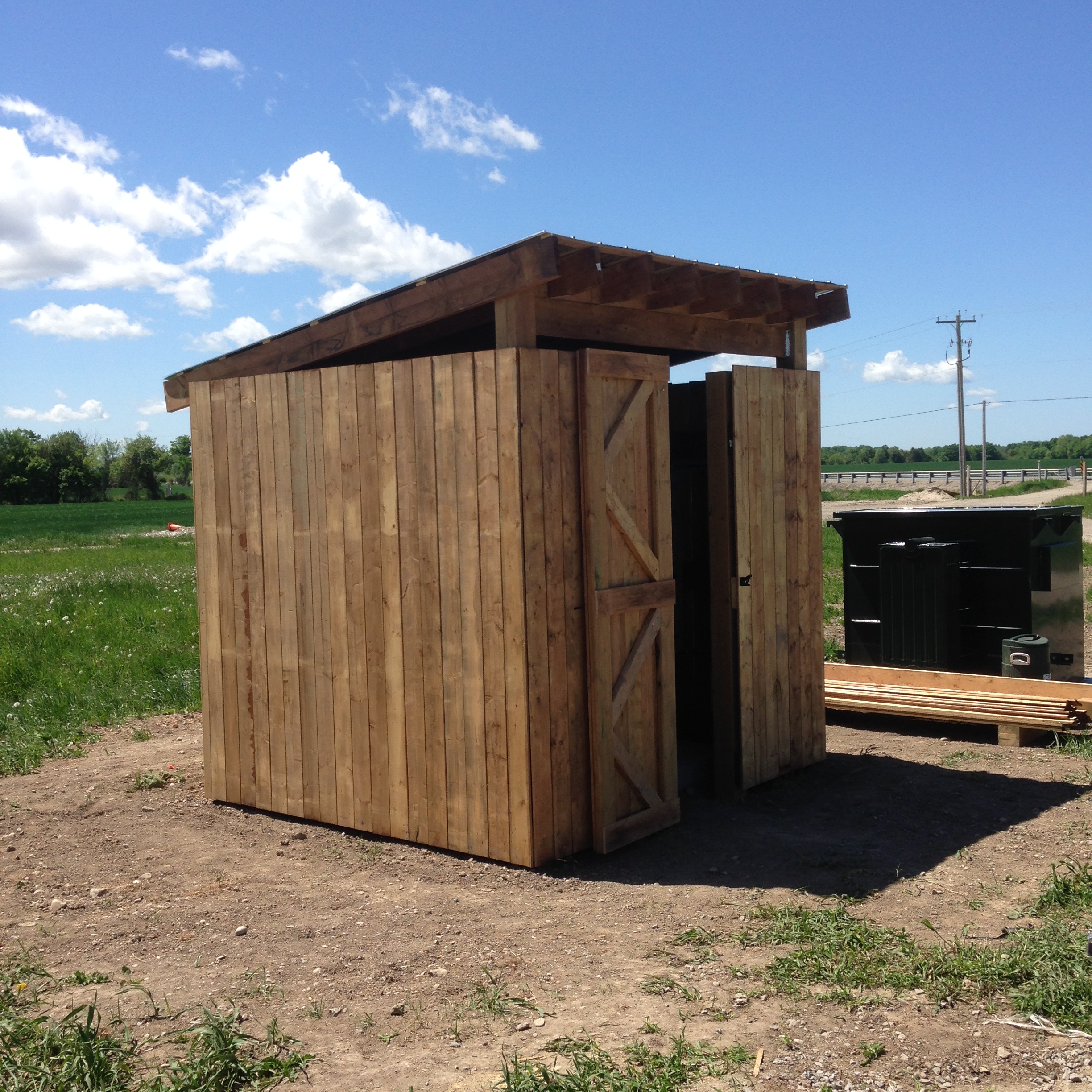
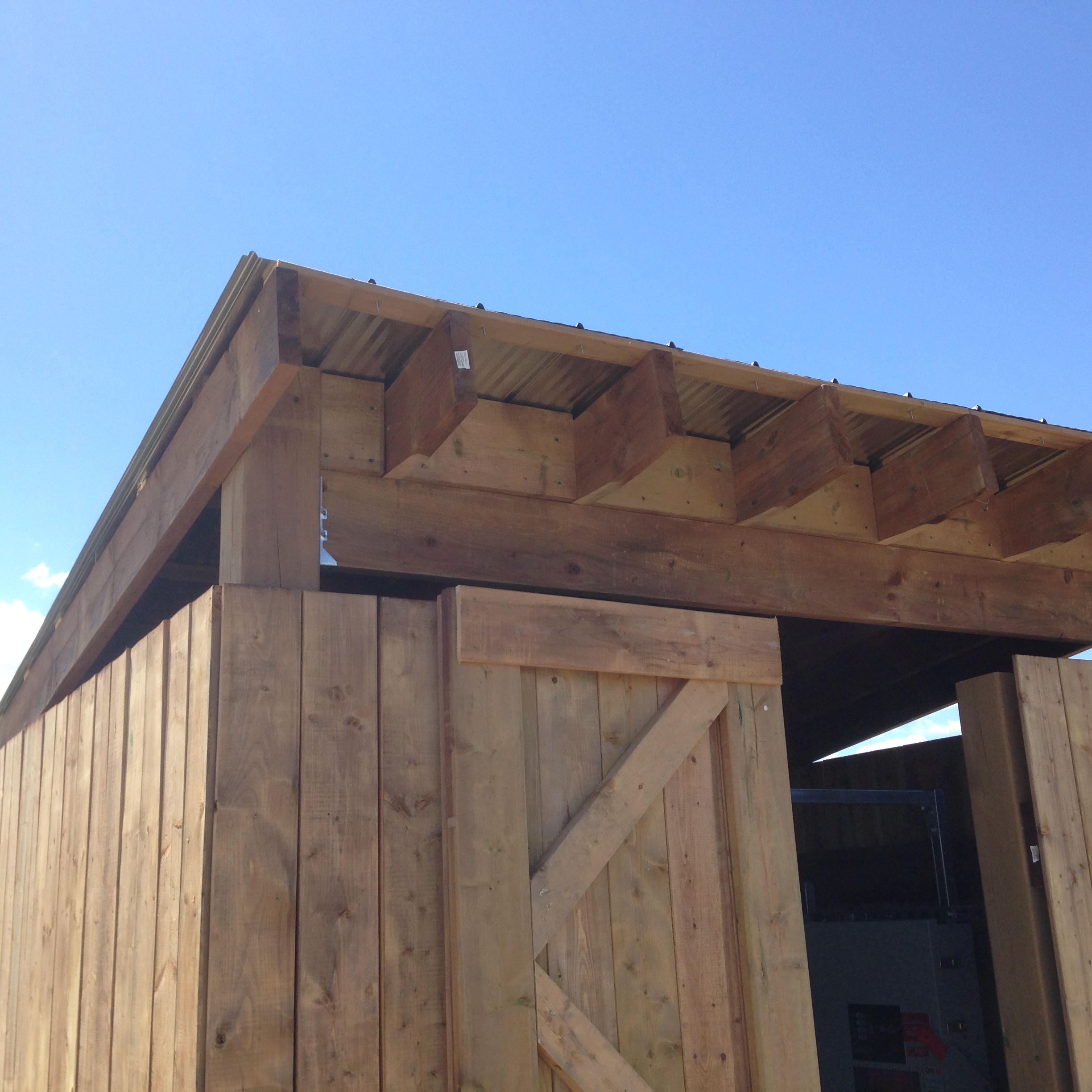
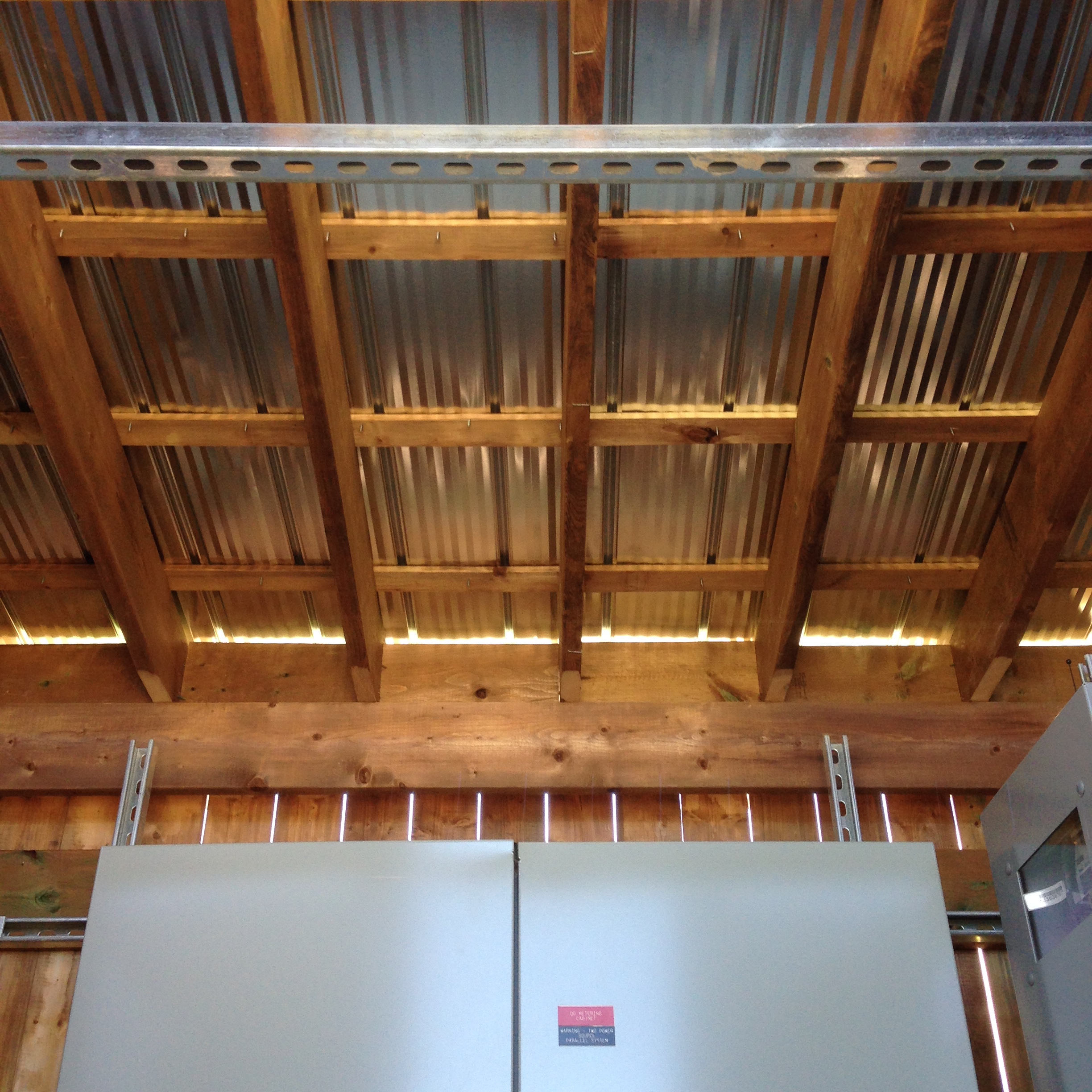
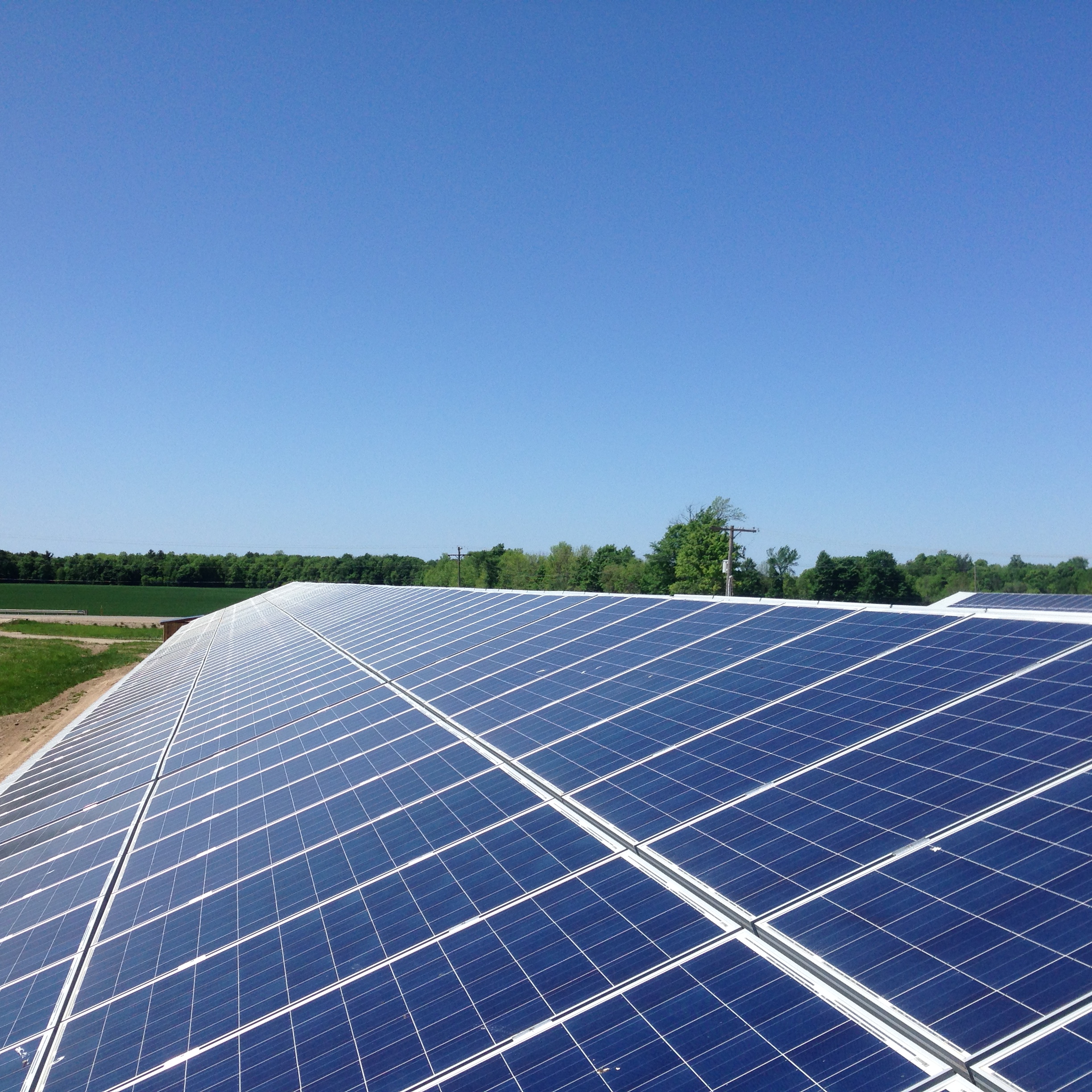
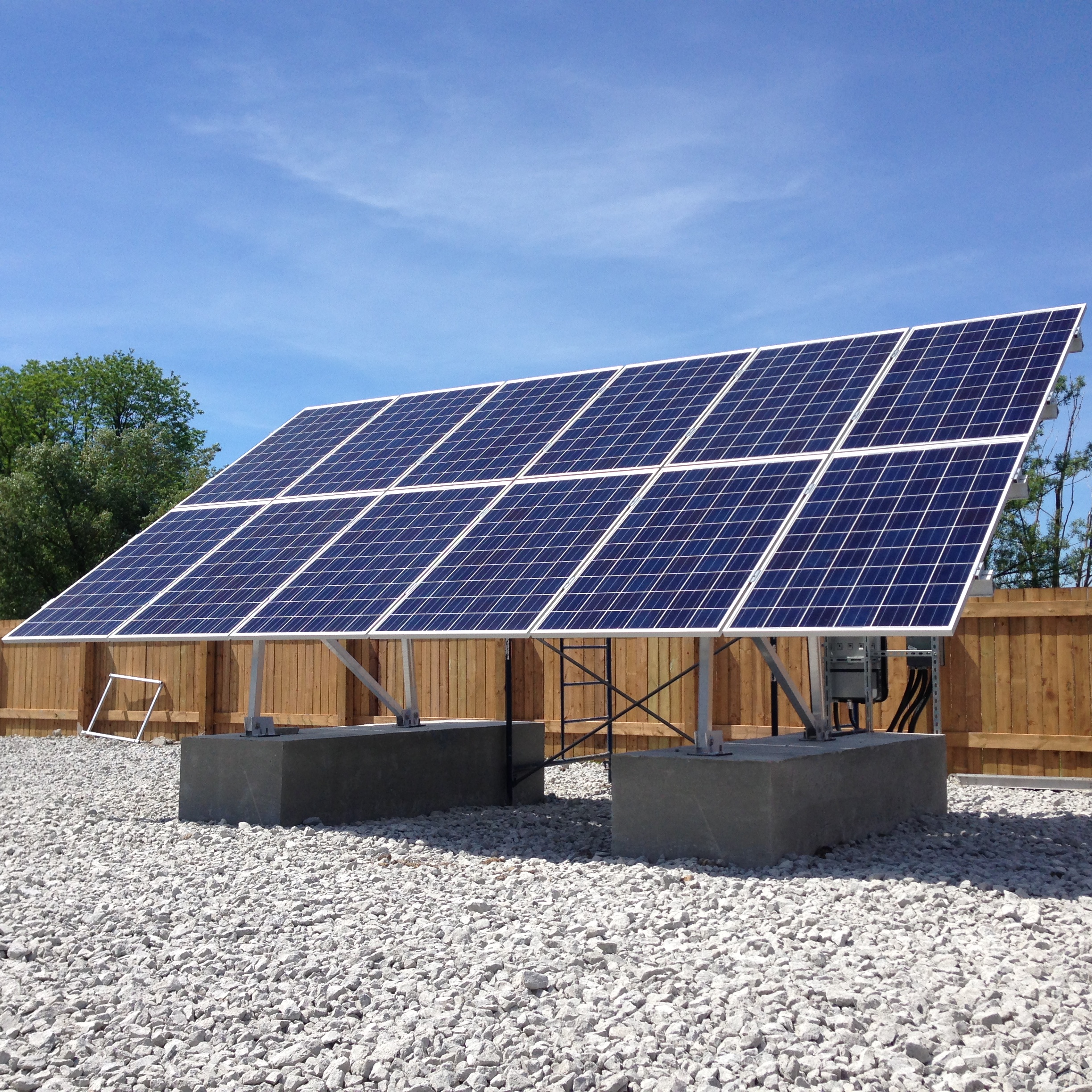
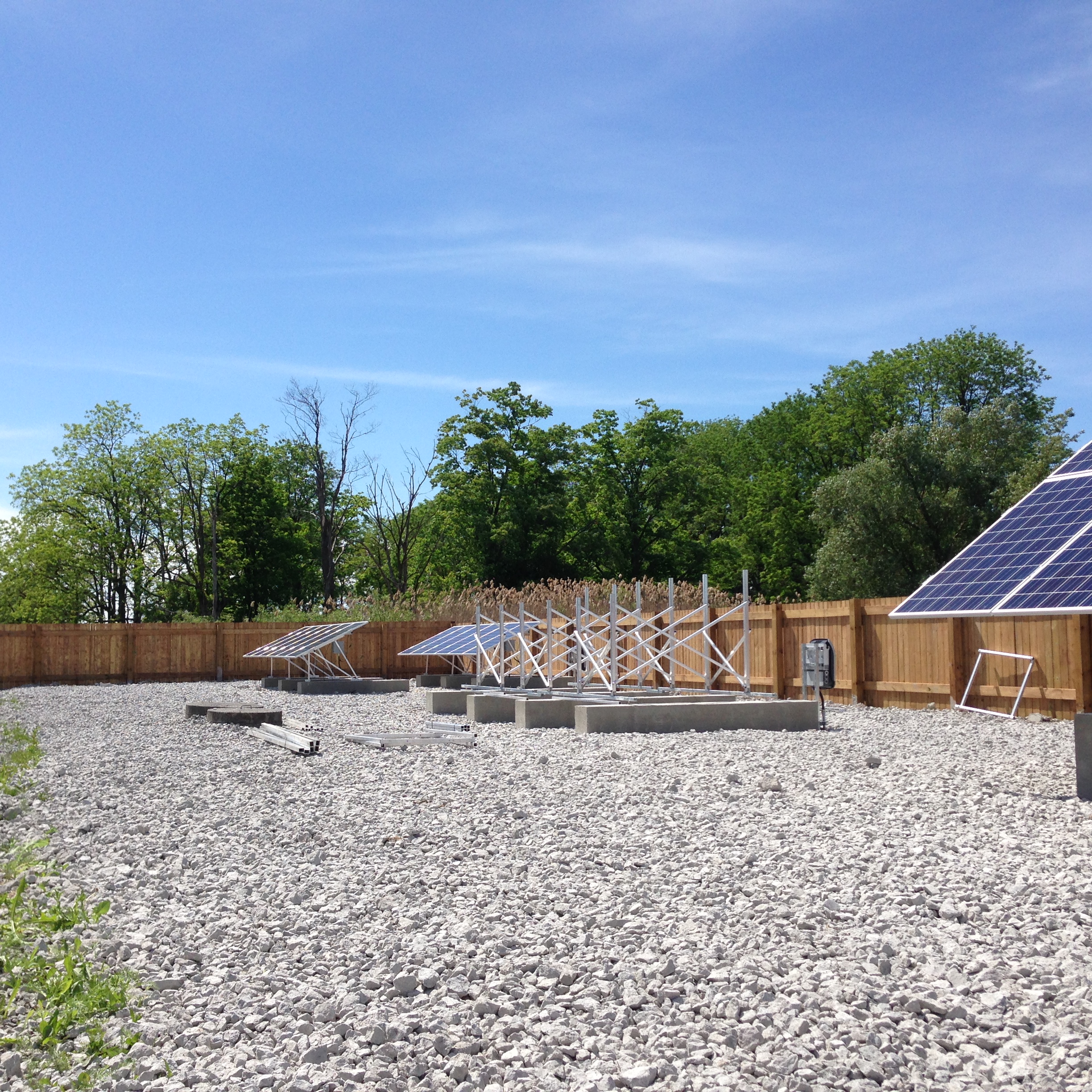
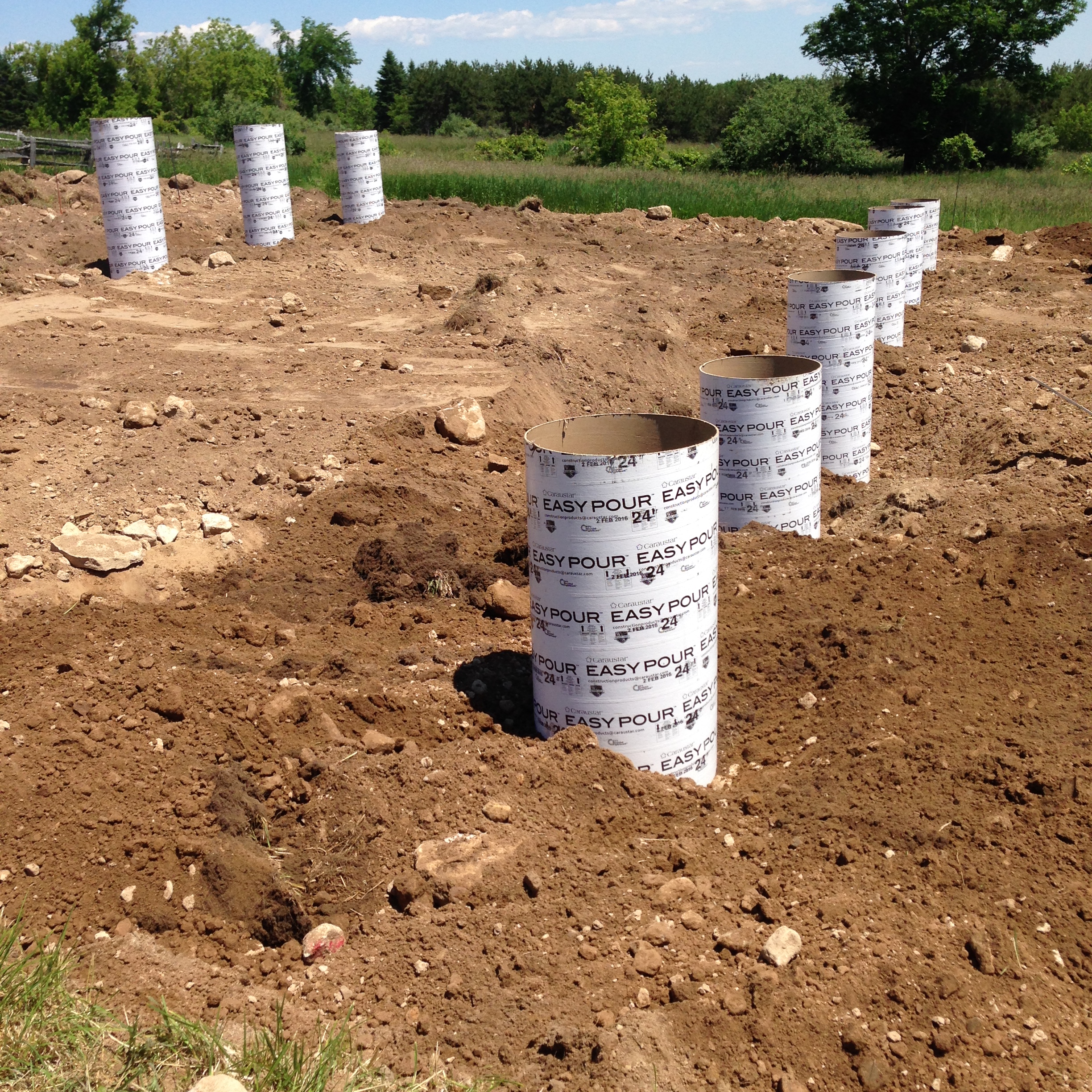
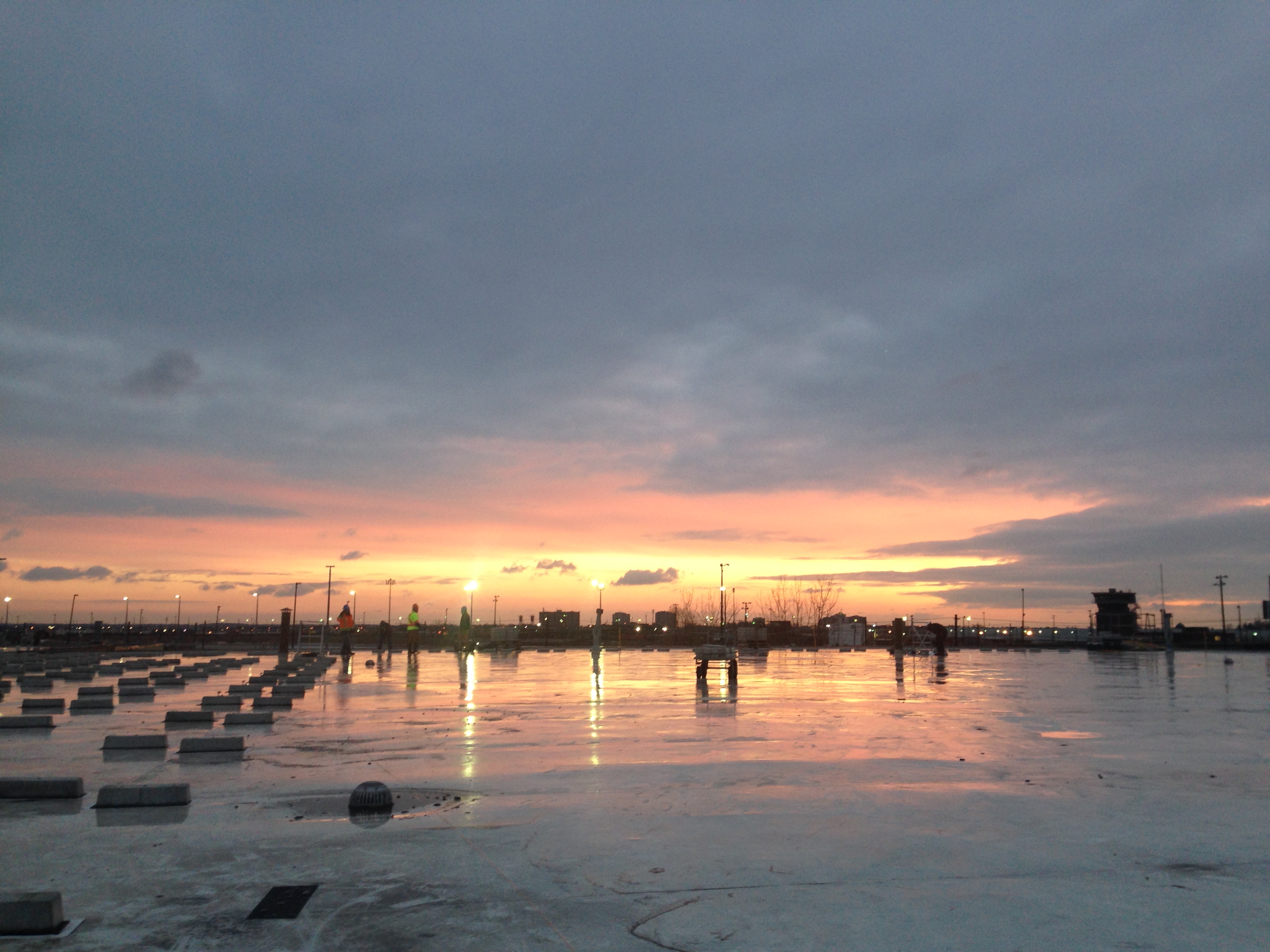
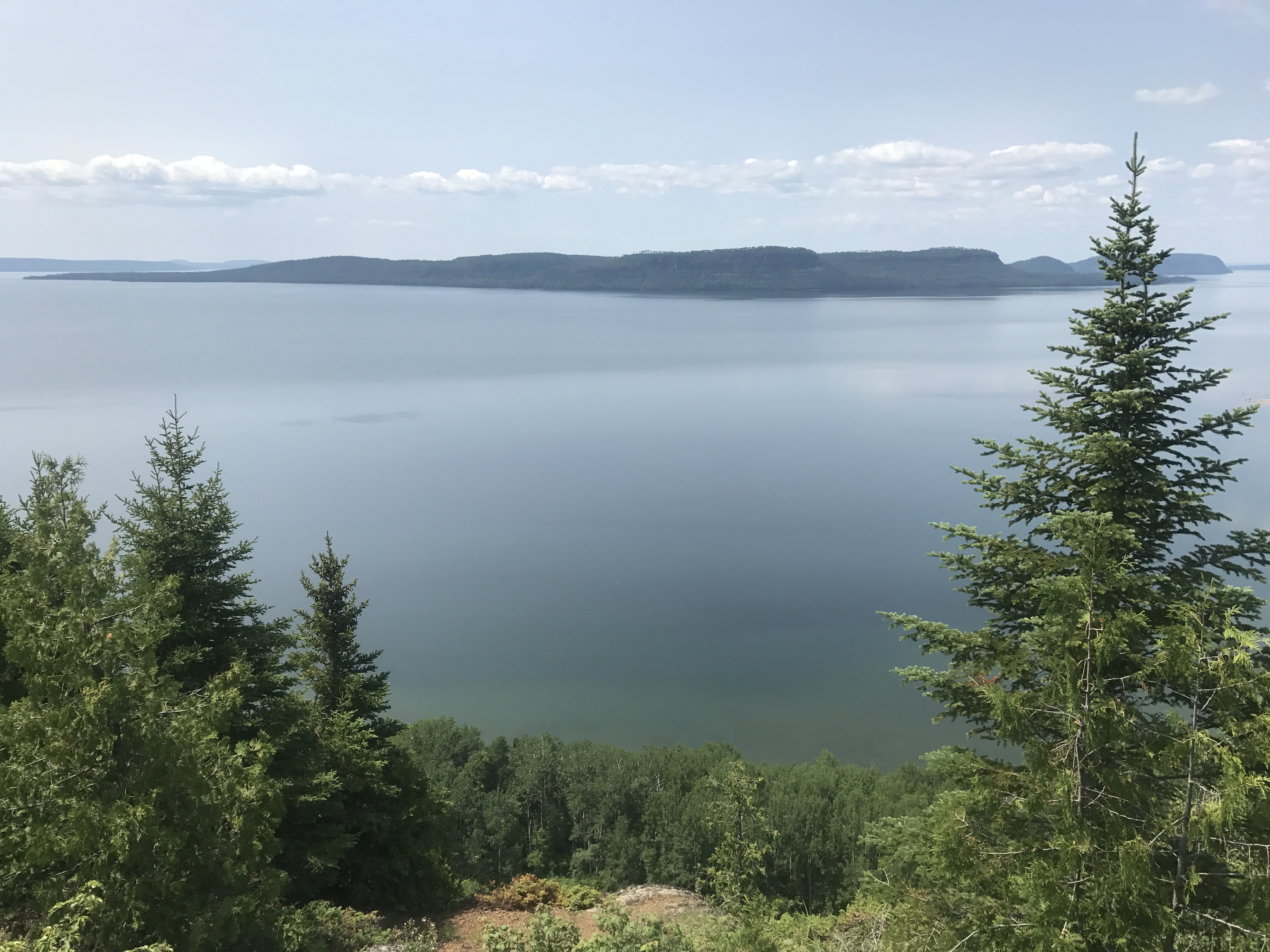
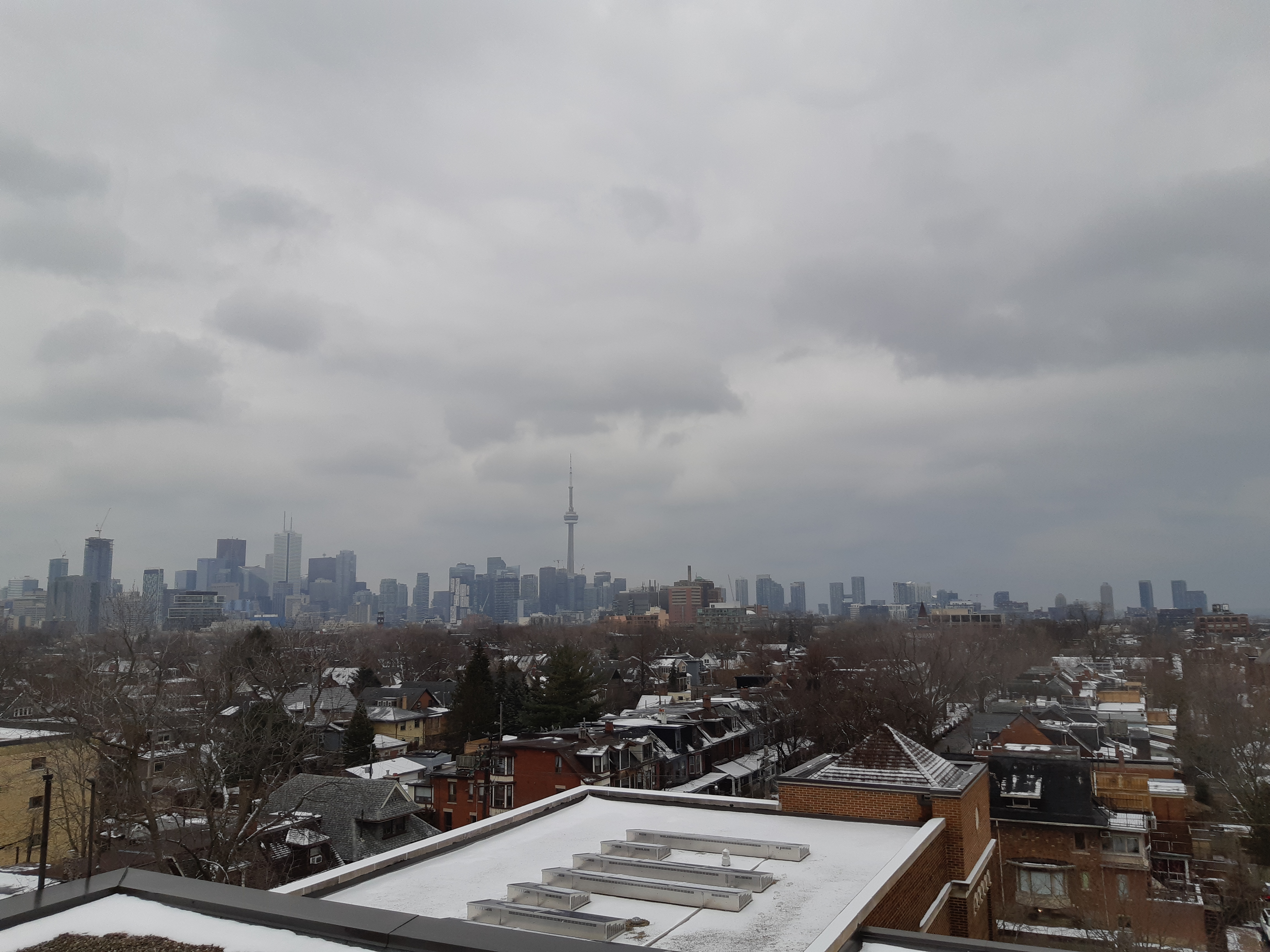
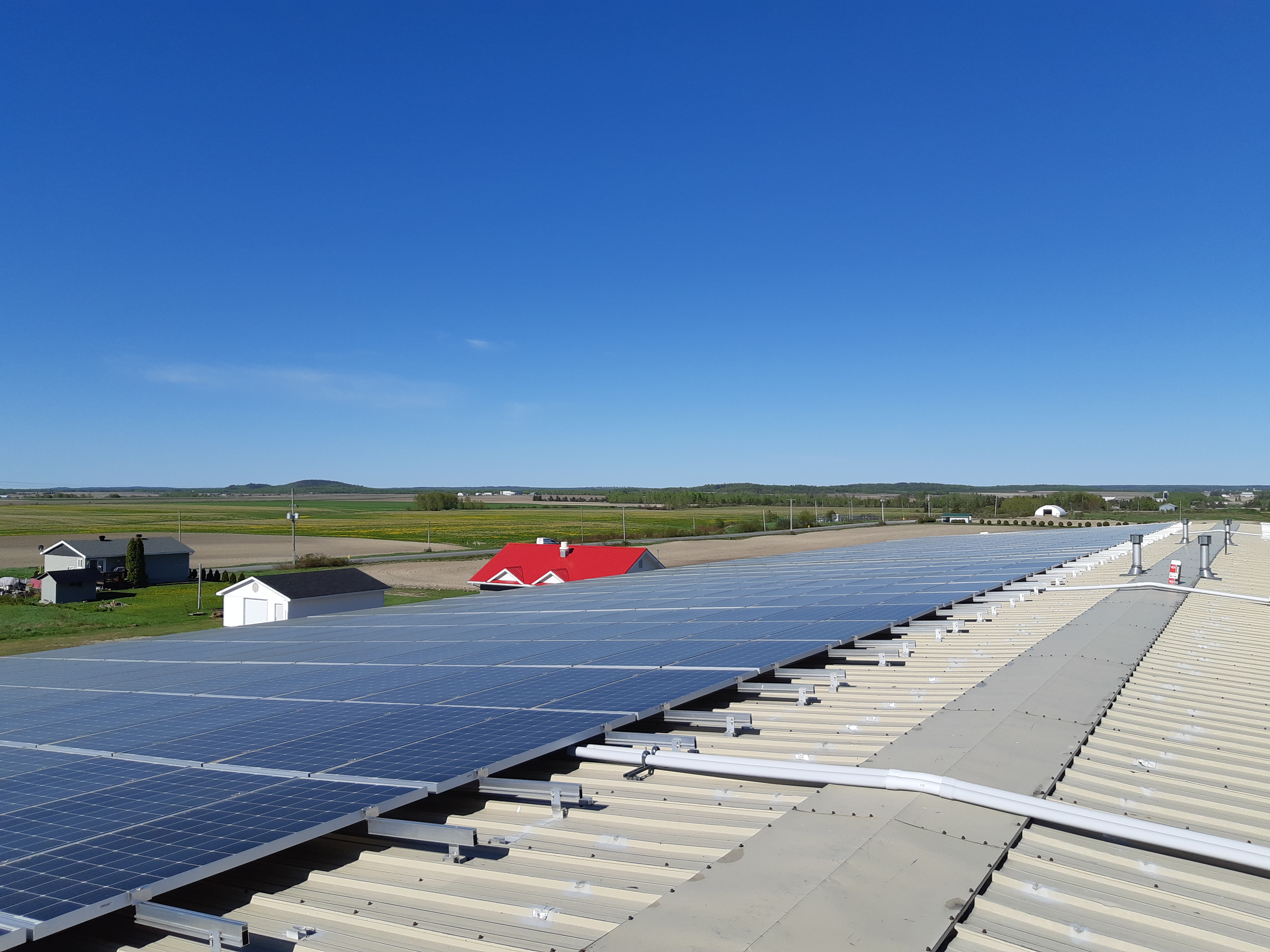
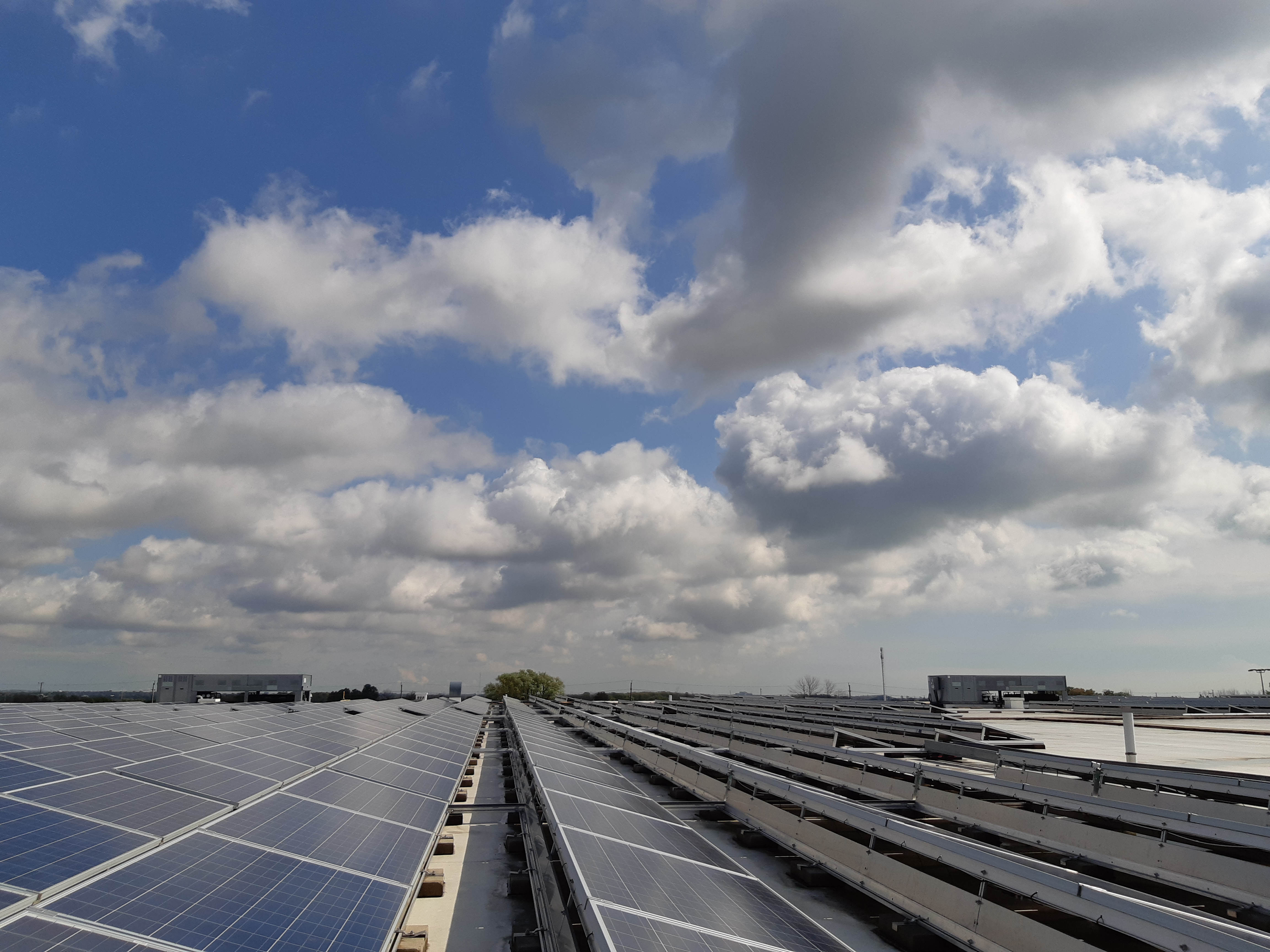
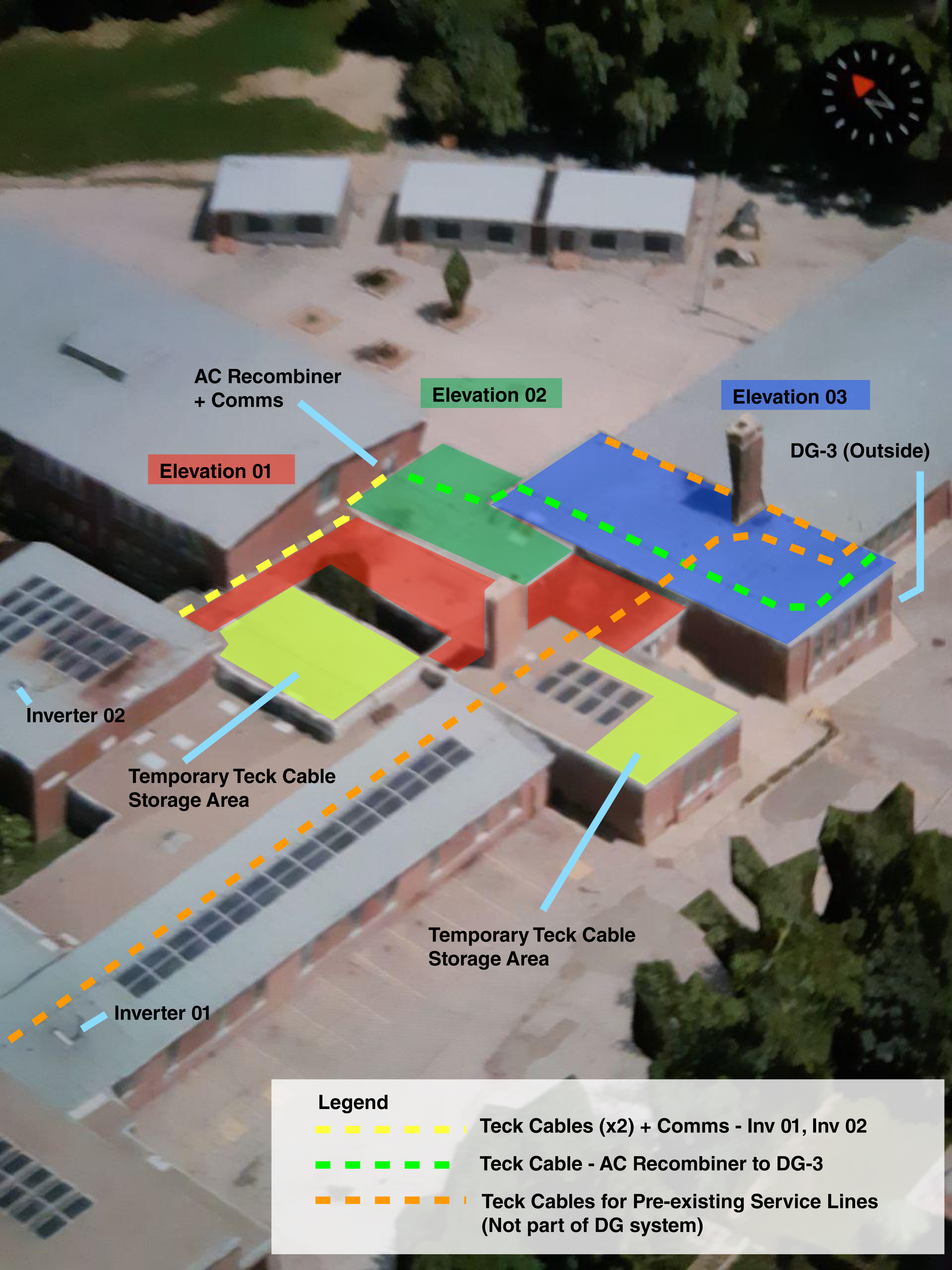
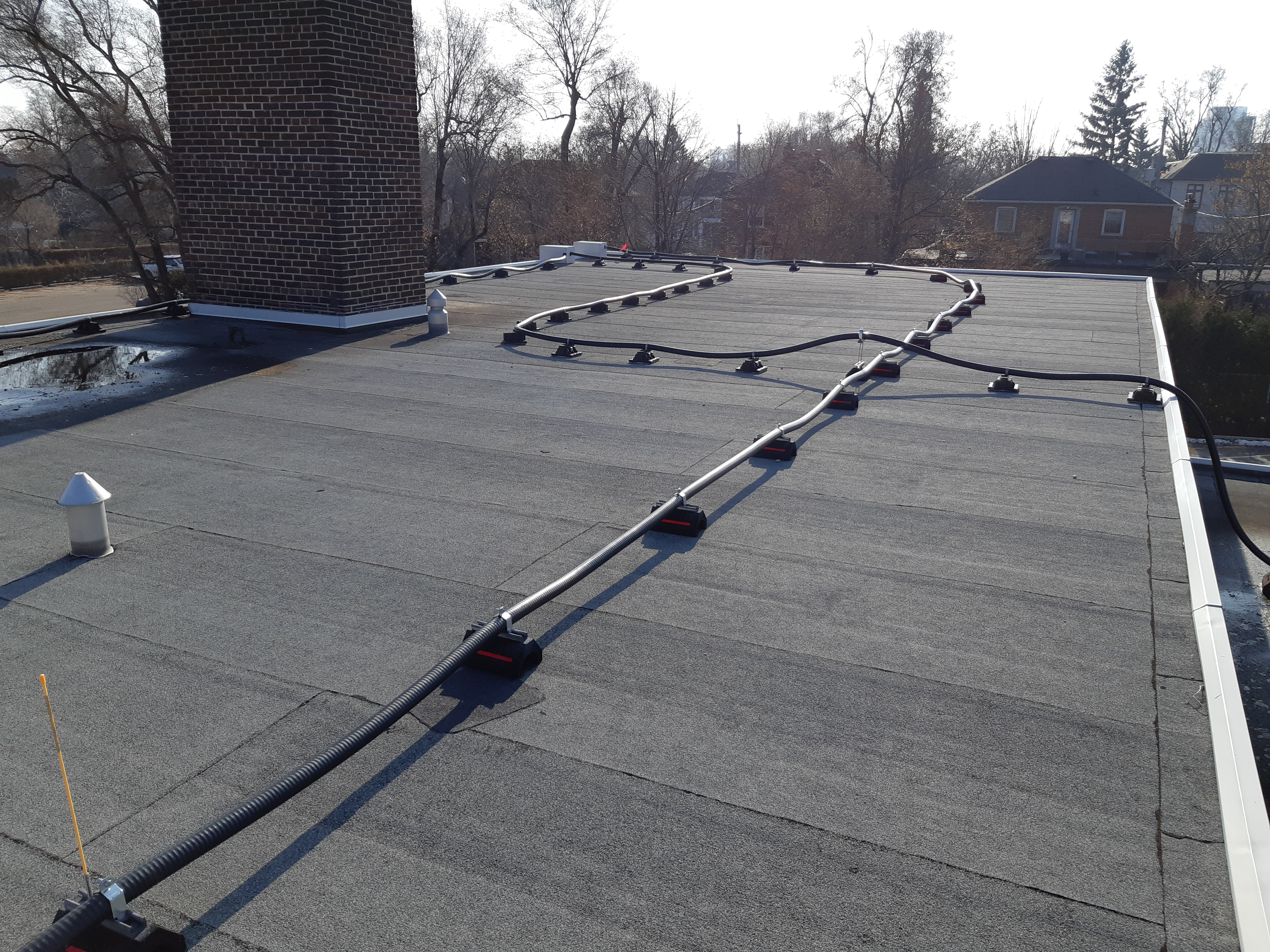
Inclement weather, 2014Islington United Church, Sept 2014Thunder clouds, Aug 2015Thunder clouds, Aug 2015Yorktech Dr Markham FIT project, Aug 2015Highway 26 Stayner FIT project, Jan 2016Highway 26 Stayner FIT project, Jan 2016Ironside Dr Brampton FIT project, March 2016Ironside Dr Brampton FIT project, March 2016Highway 26 Stayner Fit Project – BOS equipment pad, April 2016 Highway 26 Stayner Fit Project – BOS equipment pad, April 2016Highway 26 Stayner Fit Project – BOS equipment pad, April 2016Highway 26 Stayner Fit Project – BOS equipment pad, April 2016Highway 26 Stayner Fit Project – Flushmount PV array, April 2016Highway 26 Stayner Fit Project – BOS equipment enclosure, April 2016Highway 26 Stayner Fit Project – BOS equipment enclosure, April 2016Highway 26 Stayner Fit Project – BOS equipment enclosure, April 2016Highway 26 Stayner Fit Project – Flushmount PV array, April 2016Markham Rd Powerstream substation PV pilot project, June 2016Markham Rd Powerstream substation PV pilot project, June 2016Mulmur, Ontario Ground-mount PV footings, June 2016Mulmur, Ontario Ground-mount PV footings, June 2016Mulmur, Ontario Ground-mount PV footings, June 2016McNicoll Ave Scarborough, Schletter racking ballast layout, Dec 2016Scarborough McGregor Park Pool, Flushmount FIT project, July 2017Scarborough McGregor Park Pool, Flushmount FIT project, July 2017Scarborough Civic Centre Crane Lift, Sept 2017Scarborough Civic Centre, Cabletray decking, Nov 2017Scarborough Civic Centre, Cabletray decking, Nov 2017Wilfred Laurier University, Conrad Hall Residence, Waterloo, Jan 2018Wilfred Laurier University, Conrad Hall Residence, Waterloo, Jan 2018Scaffold Examination, College of Carpenters and Allied Trades, Feb 2018Wilfred Laurier University, Conrad Hall Residence, Waterloo, Flushmount rail installation Feb 2018Wilfred Laurier University, Conrad Hall Residence, Waterloo, Flushmount rail installation Feb 2018Wilfred Laurier University, Conrad Hall Residence, Waterloo, PV module installation Apr 2018Wilfred Laurier University, Conrad Hall Residence, Waterloo, PV modules installed on Gen3 Polar Racking 2018Cassie Campbell Community Centre FIT Project, Gen3 Polar Racking, May 2018Cassie Campbell Community Centre FIT Project, Gen3 Polar Racking, May 2018Wilfred Laurier University Library, Gen3 Polar Racking, May 2018Wilfred Laurier University Library, Gen3 Polar Racking, May 2018Wilfred Laurier University, Conrad Hall Residence, Waterloo, Flushmount rail installation June 2018St Thomas Aquinas Elementary School, Keswick, Polar racking strapped for removal, June 2018St Thomas Aquinas Elementary School, Keswick, Polar racking strapped for removal, June 2018Lake Superior, July 2018 Lake Superior, July 2018FIT Project inspection, Toronto, Jan 2019FIT Project PV module replacement, Temiskaming Shores, June 2019FIT project inspection, Turner Fenton Secondary School Brampton, Sept 2019FIT project inspection, Ajax, Sept 2019Faywood PS Toronto, 3D Sketching used for pre-removal planning (Re&Re) Nov 2019Faywood PS Toronto, 3D Sketching used for pre-removal planning (Re&Re) Nov 2019
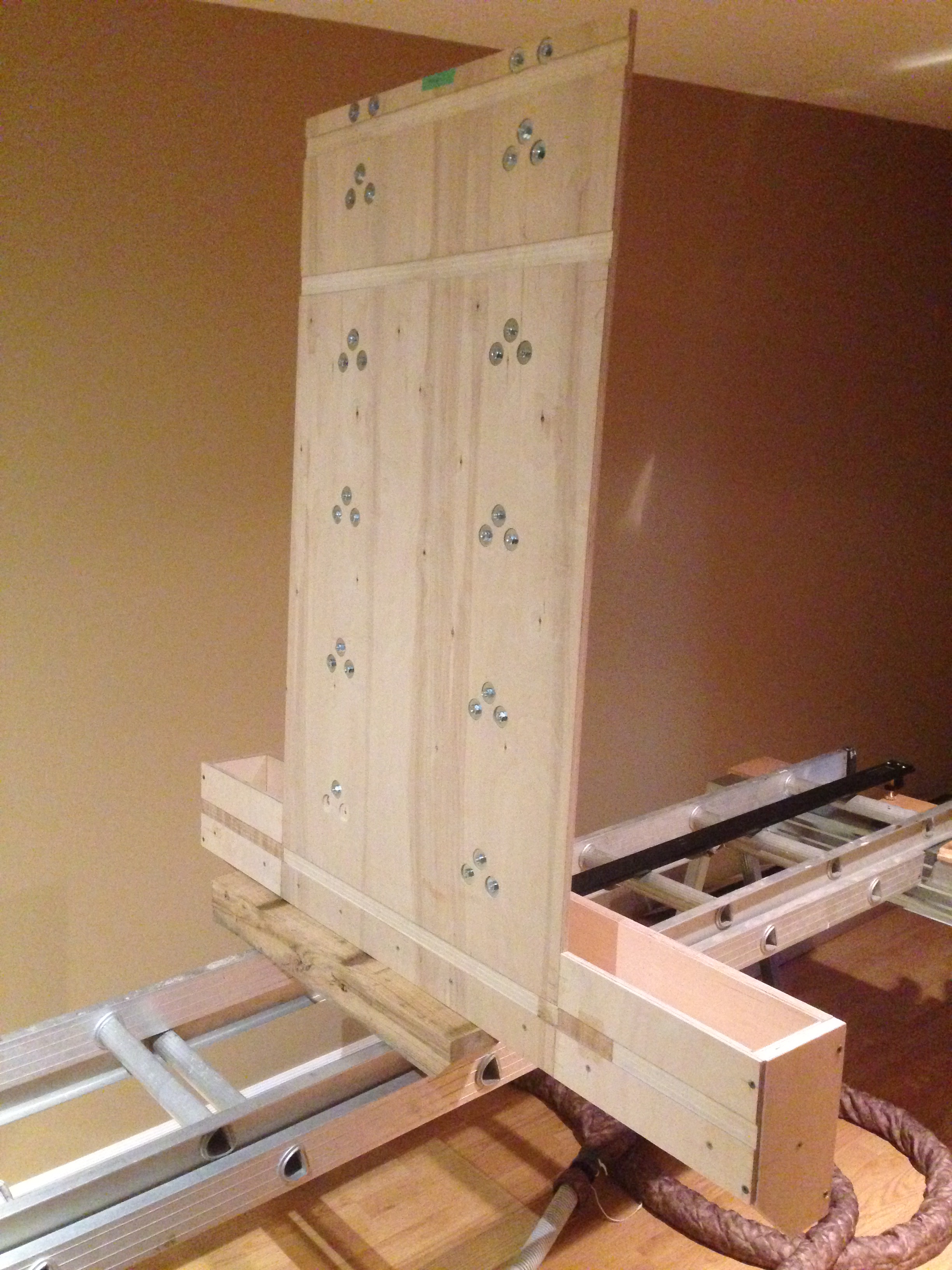
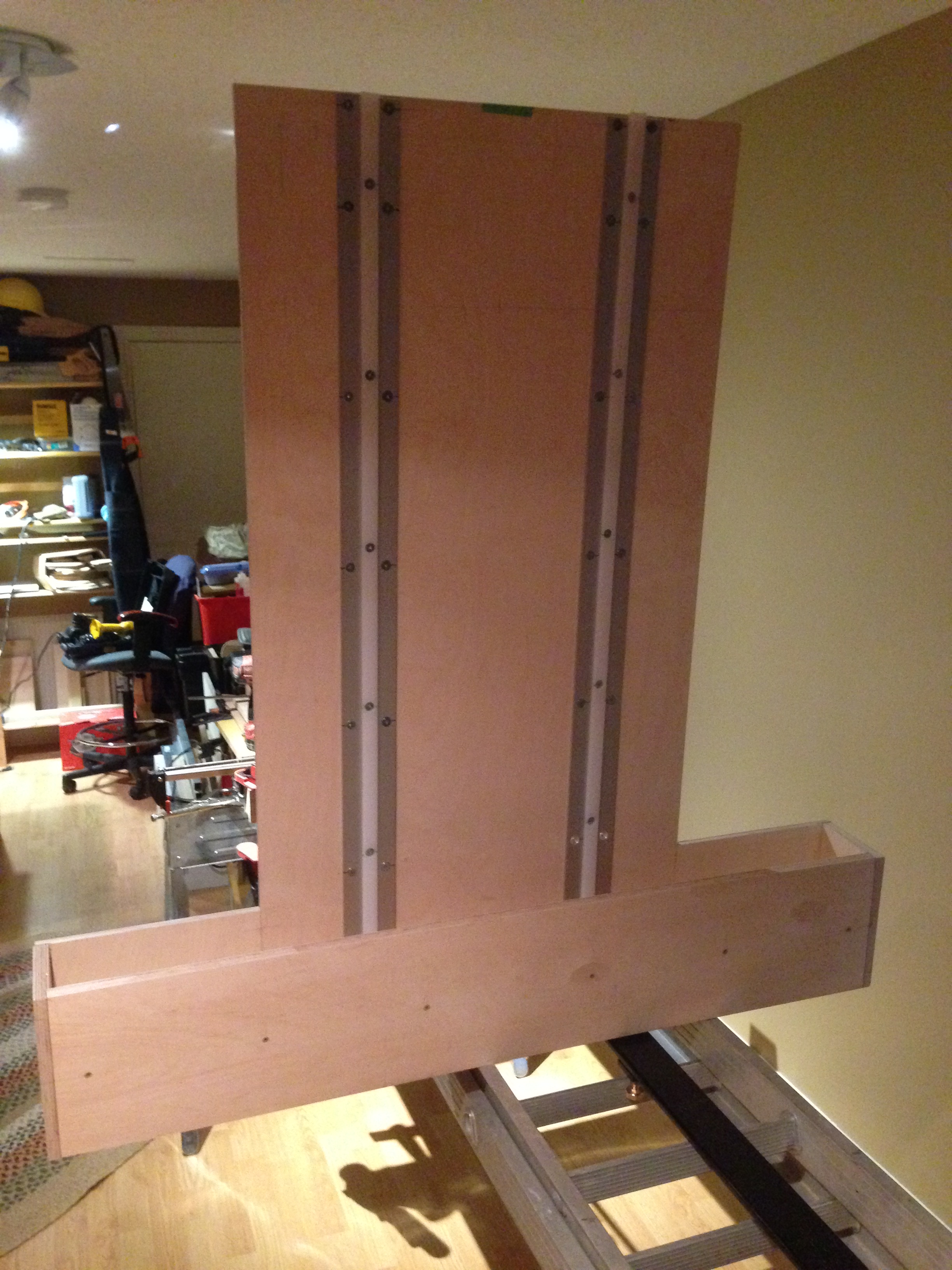
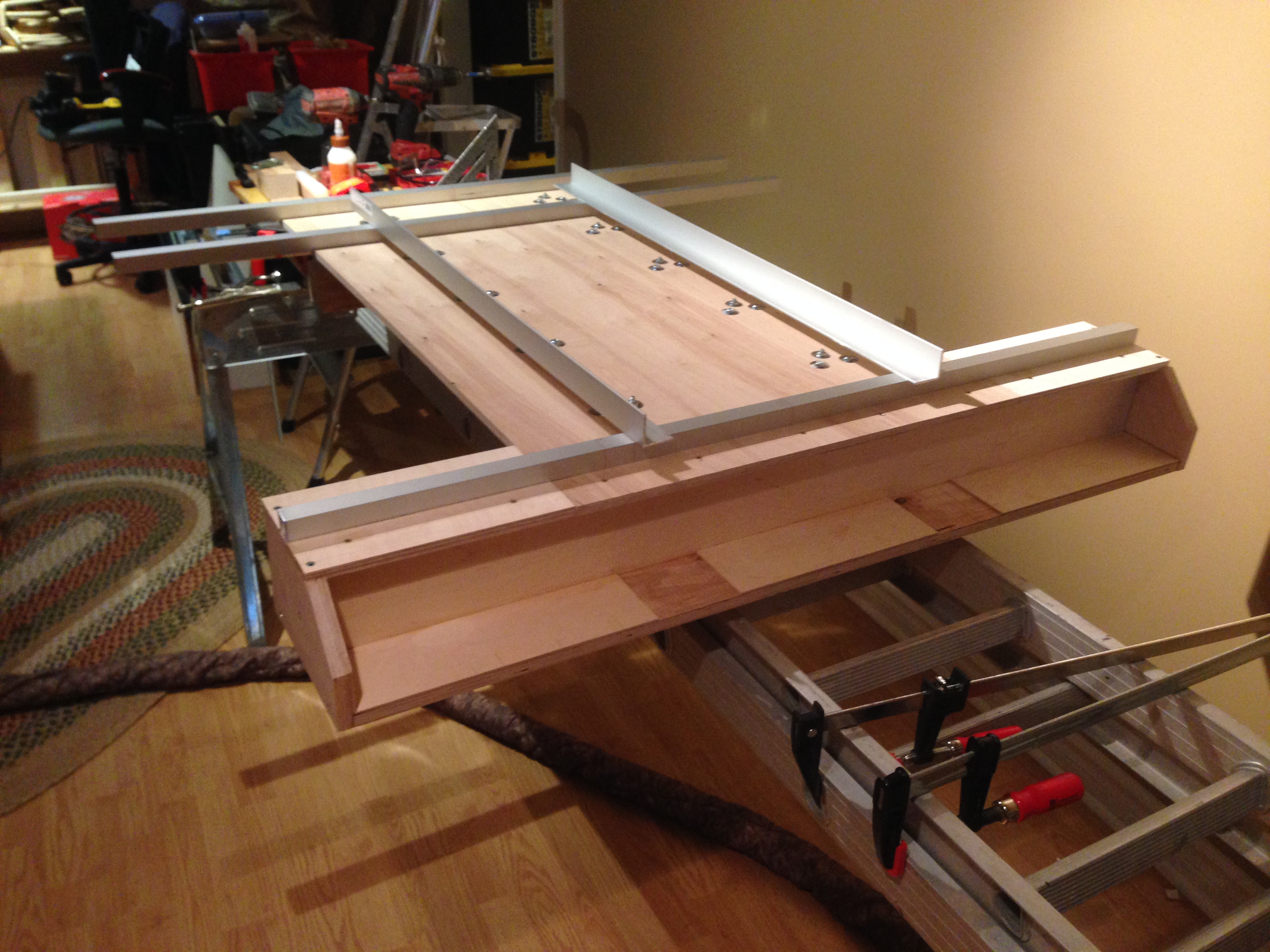
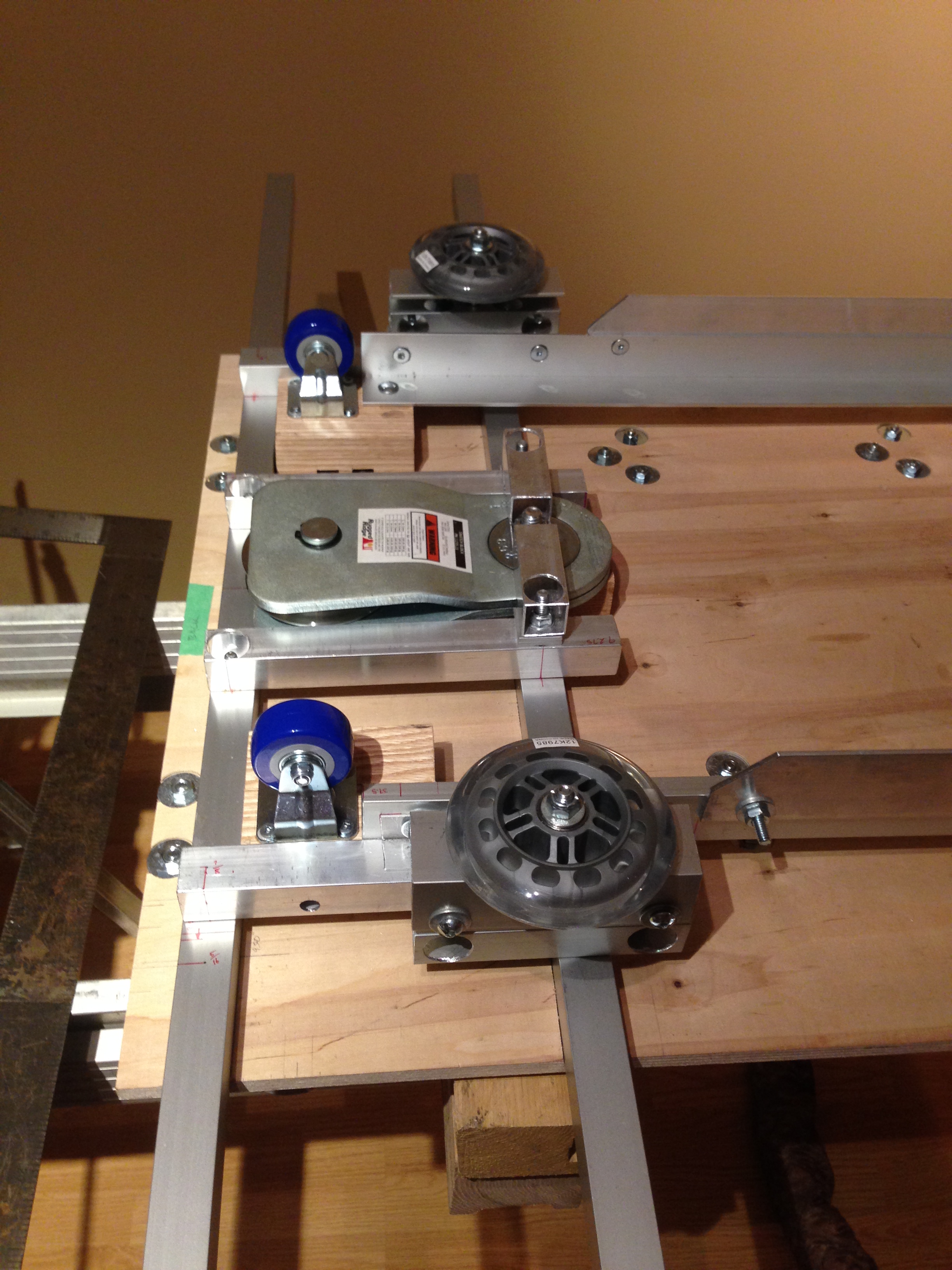
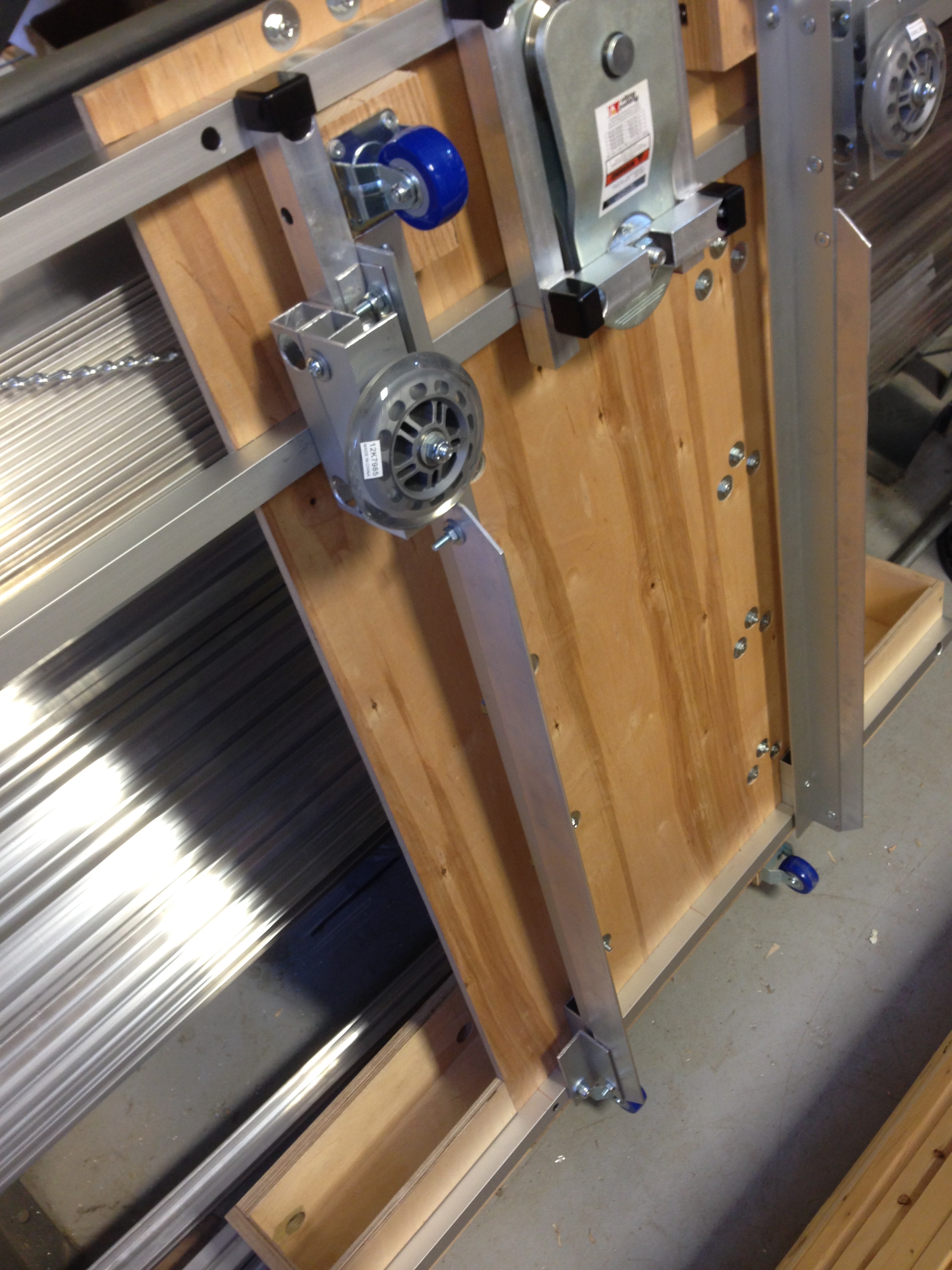
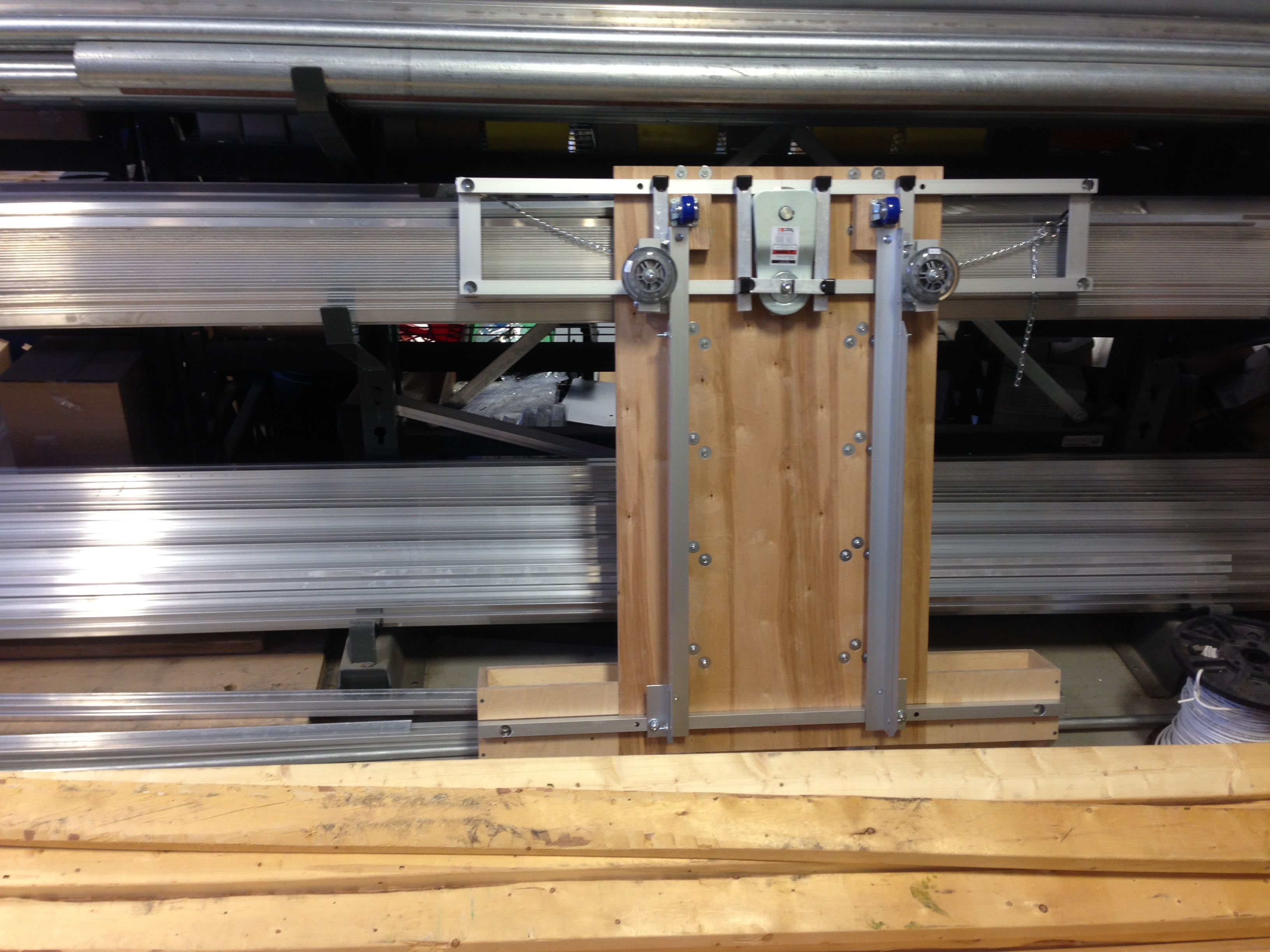
Pictured below is a project undertaken in 2016 to design and fabricate a job-built device for lifting PV modules to rooftop level using extension ladders already in use on job sites. At the time I was involved with building residential rooftop PV systems under the Ontario MicroFIT program when I was tasked by my employer with design and construction of a replacement for a device they had already implemented and used to frequent effect. It saved installers from having to physically climb a ladder upwards of three stories while carrying PV modules which had been a frequent bad practice at the time. I was able to generate this design in 3D CAD prior to fabricating a prototype that was eventually tested prior to the cancellation of the FIT program in Ontario in June 2018. Regrettably the design didn’t see much use before the constructor I was working for at the time downsized its operations to a skeleton crew performing residential and commercial O&M only.
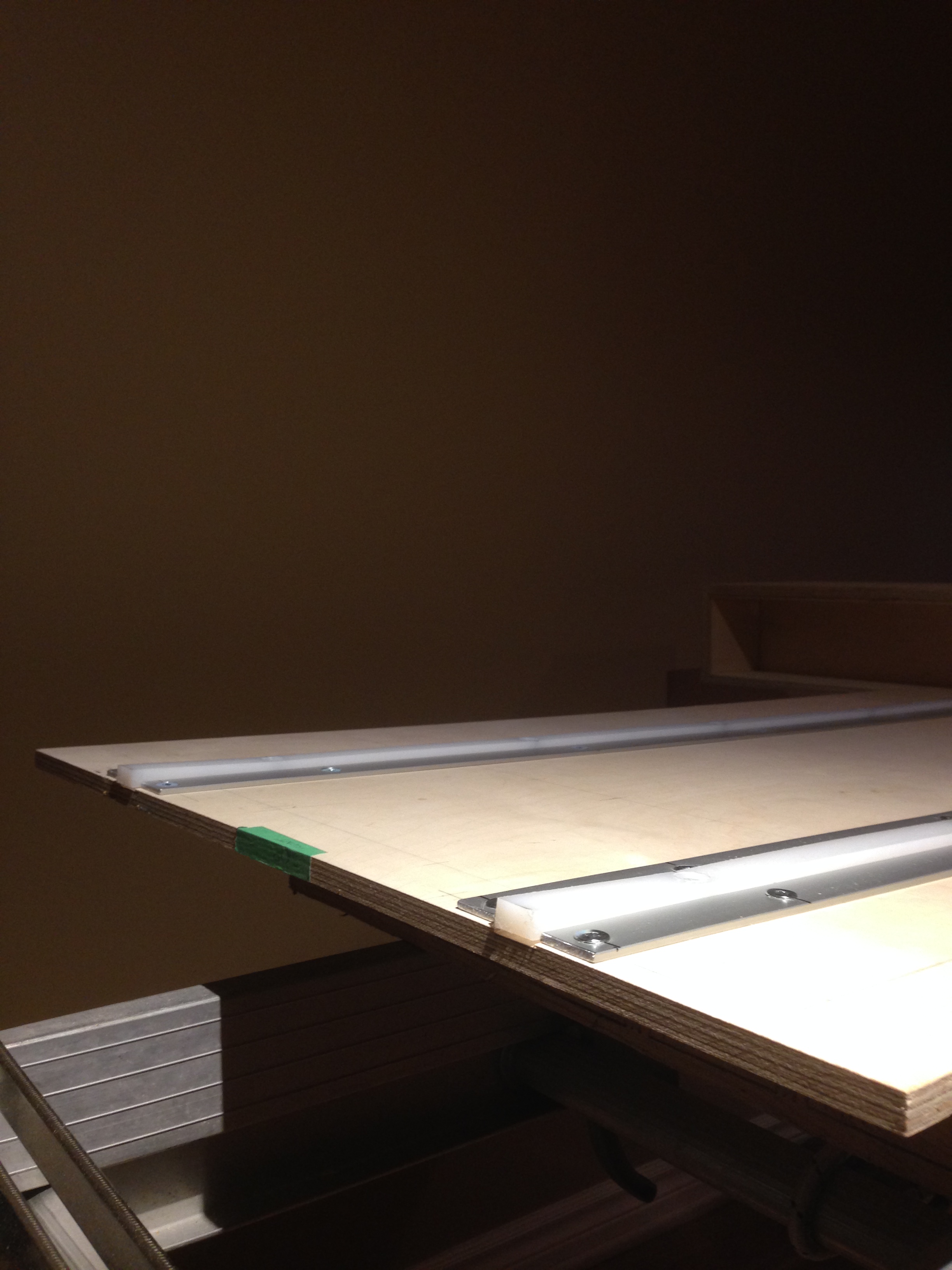
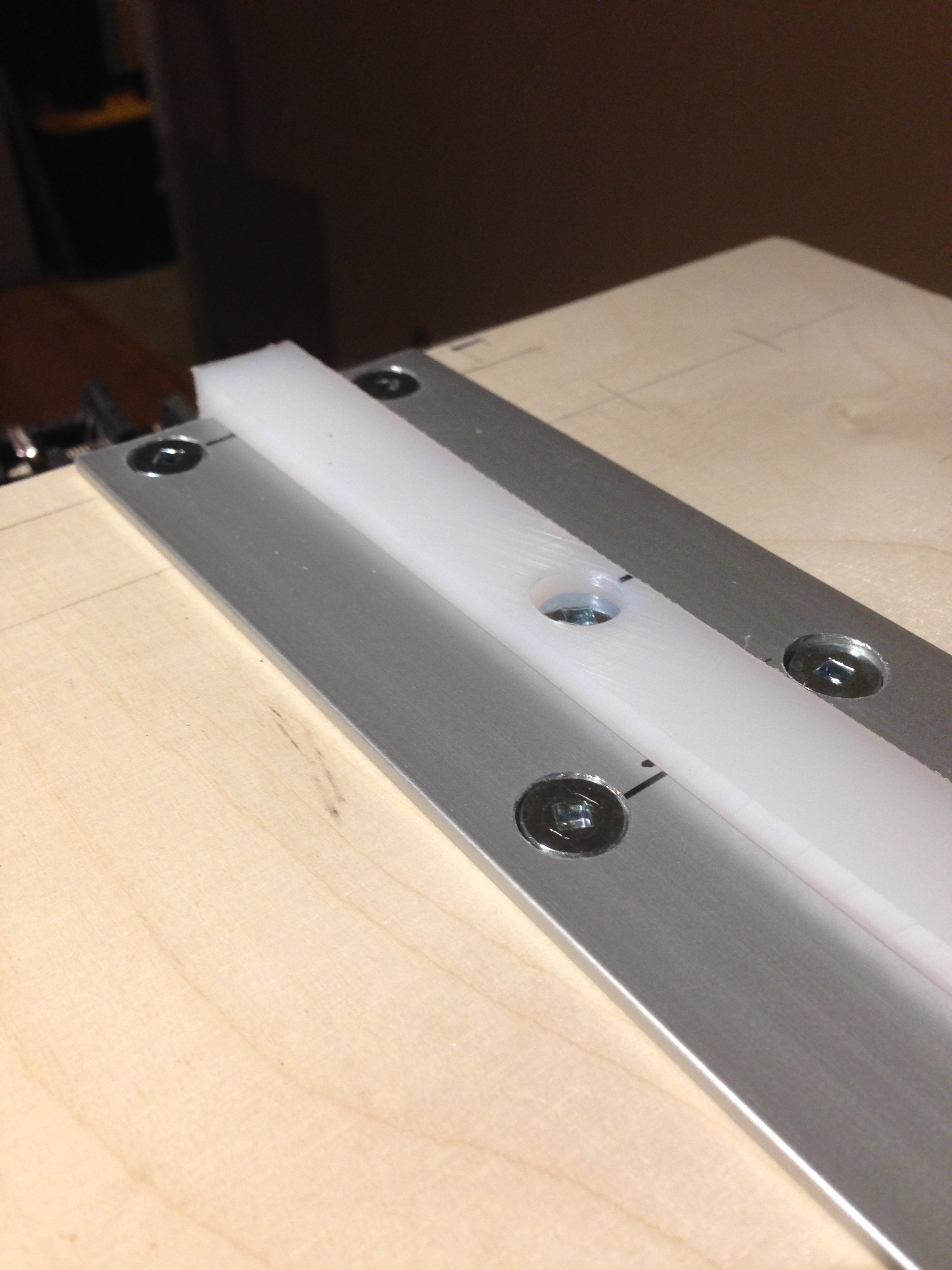
As an alternative to costly telehandler and boomlift equipment rental, the use by my employer of job-built equipment increased productivity and improved the safety profile of a potentially hazardous work activity. The device enables a worker positioned on the ground to lift PV modules to roof level using a fixed pulley and rope mounted to the module lifter, which then rolled up and down the extension ladder on its stringers. Additional pulleys positioned at the top of the ladder provided for a flexible, field-expedient pulley system enabling ascent and descent of the ladder by the module lifter. A simple chain-link restraint kept the modules from tipping away from the ladder and enabled installers to easily retrieve PV modules for installation onto racking while minimizing the time spent near the roof edge.
Basic plywood carcass for module lifter.Basic plywood carcass for module lifter.Detail of UHMW riser to ease insertion of PV module.Detail of UHMW riser to ease insertion of PV module.Basic aluminum square and angle bar framing for module lifter.Frame fitted with fixed snatch-block pulley.Frame fitted with fixed snatch-block pulley.Frame fitted with wheels positioned to ride on ladder stringers.Frame fitted with wheels positioned to ride on ladder stringers.Frame fitted with wheels positioned to ride on ladder stringers.Completed PV module lifter prototype.Completed PV module lifter prototype.Completed PV module lifter prototype, project completed for Solsmart Solutions Ltd, 2016.
















 tron carpenter